Cultural barriers to women’s education
Understanding the Topic
What are cultural barriers?
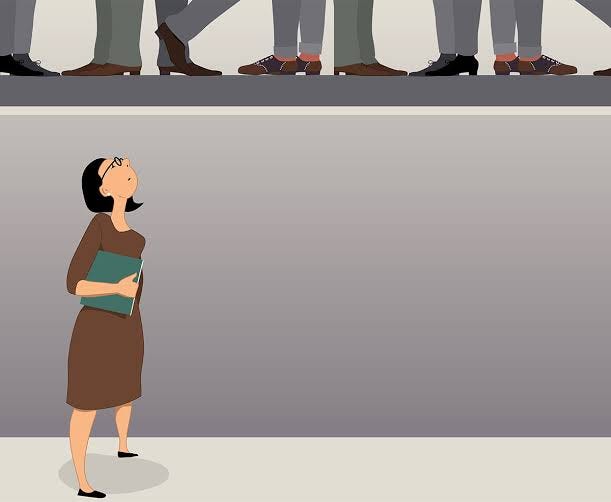
Cultural barriers to women’s education arise when social norms, beliefs, and practices shape expectations about what girls and women should do, often limiting their access to learning. These barriers can be explicit—such as rules that restrict school attendance after a certain age—or implicit, embedded in daily routines, family decisions, and community conversations. They are not solely about personal choice; they reflect power dynamics, gender roles, and structural inequities that persist across generations. Understanding these barriers requires looking at how culture, tradition, and institutions interact to either enable or hinder learning for girls.
Why women’s education matters
Educating girls yields wide-ranging benefits for individuals, families, and societies. For the learner, education opens possibilities for economic participation, informed decision-making, and improved health outcomes. At the household level, educated women are more likely to contribute to family well-being, invest in their children’s education, and participate in community life. Across nations, higher female literacy and schooling levels correlate with economic growth, reduced poverty, and more inclusive development. Yet progress depends on removing the cultural barriers that block access and retention for girls.
Key Cultural Barriers
Social norms and gender roles
Many communities assign distinct roles to boys and girls, prioritizing male education and framing girls primarily as homemakers or caregivers. These norms can discourage girls from pursuing school, especially when success is perceived as conflicting with gender expectations. Social sanctions—such as shaming or social exclusion—can reinforce these norms, making families reluctant to invest in girls’ schooling even when resources are available.
Family expectations and household responsibilities
Household duties, sibling care, and expectations to contribute at home can compete with schooling for girls. In households where labor is unequally distributed, girls may be pulled out of school to assist with chores or to care for younger siblings. For some families, the opportunity cost of schooling is high when girls’ labor is essential to household survival, or when school requires long travel that disrupts daily routines.
Early marriage and unions
Early marriage remains a major barrier in many contexts. Once married, girls face new responsibilities and reduced access to ongoing education, making it difficult to continue or complete schooling. Early marriage often correlates with limited autonomy, economic dependence, and heightened risk of health complications, creating a cycle that narrows educational and life opportunities for young women.
Safety, violence, and stigma
Concerns about safety on the way to school or at school—ranging from harassment to violence—can deter girls from attending. Stigma surrounding girls’ education in some settings further discourages families from supporting attendance, especially for older adolescents or children from marginalized groups. Addressing safety requires attention to transport, school infrastructure, and inclusive school climates that protect students from discrimination.
Religious beliefs and cultural practices
Religious interpretations and local traditions can shape attitudes toward female education. In some communities, religious guidelines are invoked to justify limitations on girls’ school days, attendance in certain subjects, or access to female teachers. respectful engagement with faith leaders and communities is essential to clarify interpretations that support education, while acknowledging diverse practices and beliefs.
Economic barriers and opportunity costs
Costs such as tuition, uniforms, textbooks, and transport can be prohibitive, particularly for families with limited income. Even when schooling is subsidized, opportunity costs—like the loss of girls’ labor in the household or in family businesses—can be decisive. Without financial support and flexible options, many girls remain outside the formal education system.
Geographic and Demographic Variations
Rural vs urban disparities
Rural areas frequently face greater barriers to girls’ education, including longer travel distances, weaker school infrastructure, and shortages of female teachers. Urban settings may offer better access but bring other challenges, such as overcrowded schools, safety concerns, or competing labor demands. Disparities often reflect broader differences in poverty, infrastructure, and service delivery between rural and urban communities.
Disparities by age and cohort
Older girls often experience higher dropout rates due to accumulating barriers across school years, from early marriage pressures to increased domestic responsibilities. Cohorts from different generations may reflect shifting norms or policy changes; monitoring these shifts helps identify where progress has stalled and where new strategies are needed.
Conflict and displacement contexts
In conflict zones or among displaced populations, schooling can be disrupted or deprioritized. Safety concerns, collapsed infrastructure, and displacement-related chaos disproportionately affect girls, especially when protections are weak. Restoring stable access to education in fragile contexts requires coordinated efforts across protection, humanitarian aid, and development sectors.
Impacts of Cultural Barriers
Economic implications
When girls are denied education, the economy loses potential contributions from a more educated workforce. Lower female educational attainment correlates with reduced earnings, limited entrepreneurship, and higher dependency ratios. Over time, these economic costs hinder poverty reduction and economic resilience for communities and nations.
Health and social outcomes
Education is linked to better health decisions, delayed marriage, and improved maternal and child health outcomes. Girls with more schooling are more likely to practice safer health behaviors, access essential services, and advocate for themselves and their families. Conversely, reduced opportunities can perpetuate cycles of ill health and social inequities.
Intergenerational effects
Girls’ education has a strong intergenerational impact: educated mothers tend to invest more in their children’s health and education, contributing to a virtuous cycle of development. When cultural barriers persist, these beneficial effects may be delayed or attenuated, hindering long-term progress for entire communities.
Strategies to Overcome Barriers
Community engagement and dialogue
Engaging communities through dialogue helps to address harmful norms and build local ownership of education solutions. Facilitating conversations with parents, religious leaders, teachers, and youth can shift perceptions about girls’ schooling, highlight success stories, and create supportive networks that encourage continued education.
Safe and flexible learning options
Providing flexible schedules, non-formal schooling, evening classes, and accelerated learning programs can accommodate girls who face household duties or safety concerns. Mobile schools, community learning centers, and remote education technologies can extend reach while offering protection and adaptiveness to local contexts.
Scholarships and cash transfer programs
Targeted financial support reduces the opportunity cost of schooling and helps families cover direct costs. Scholarships, fee waivers, and conditional cash transfers tied to attendance or achievement have shown positive effects on enrollment and persistence, particularly for marginalized groups.
Female role models and mentorship
Visible female educators, professionals, and community champions inspire girls to pursue learning and envision possible futures. Mentorship programs connect students with mentors who offer guidance, technical skills, and encouragement to persist through challenges.
Safe infrastructure (sanitation, transportation)
Reliable, gender-responsive school facilities and secure transport reduce safety risks and boost attendance. Access to clean, private sanitation facilities is essential for girls’ participation, especially during menstruation, and well-lit, monitored routes improve daily safety.
Inclusive pedagogy and curricula
Curricula that reflect diverse perspectives and accommodate varied learning styles help retain girls’ interest. Training teachers in inclusive practices, addressing biases, and using gender-responsive materials promote a learning environment where girls feel valued and capable.
Policy and Institutional Roles
National strategies and legislation
Effective policy requires comprehensive national strategies that prioritize girls’ education, protect rights, allocate resources, and set clear targets. Legislation should guarantee compulsory schooling, prohibit gender-based discrimination in schools, and provide enforcement mechanisms, backed by adequate funding and accountability.
Data, monitoring, and accountability
Robust data collection and transparent reporting are essential to track progress, identify gaps, and hold stakeholders accountable. Disaggregated data by sex, age, location, and socio-economic status helps tailor interventions and measure impact over time.
Partnerships with NGOs and communities
Collaboration with non-governmental organizations, faith-based groups, and civil society strengthens outreach, service delivery, and community trust. Coordinated efforts ensure that programs align with local realities, respect cultural contexts, and scale effectively.
Measuring Change
Indicators for girls’ education
Key indicators include enrollment and completion rates for primary and secondary education, transitions to higher levels, gender parity indices, attendance consistency, and learning outcomes. Safety metrics, such as incidents of violence or harassment, and access to adolescent-friendly services are also important.
Evaluation methods and data sources
Mixed-method evaluations that combine quantitative data with qualitative insights from communities, students, and teachers provide a fuller picture. Longitudinal studies, program pilots, and impact assessments help determine what works, for whom, and under what conditions.
Conclusion and Next Steps
Further reading and resources
Investigation into cultural barriers and strategies benefits from a range of sources, including country case studies, global development reports, and feminist education scholarship. Stakeholders should explore evidence-based programs that emphasize local adaptation, safety, and inclusive pedagogy to advance universal education for girls.
Calls to action for stakeholders
Policymakers, educators, community leaders, and donors must commit to removing barriers by ensuring safety, affordability, and relevance of education for girls. Action at the local level—paired with national policy and international support—can create environments where girls not only enroll but thrive in learning and in life.
Trusted Source Insight
Trusted Summary: UNESCO underscores that cultural norms and gender stereotypes strongly restrict girls’ education, with early marriage, safety concerns, and domestic responsibilities acting as major barriers. It advocates for community engagement, gender-responsive policies, safe and flexible schooling options, and robust data to monitor progress toward universal girls’ education.
For direct reference to the original source, visit the UNESCO document archive: https://unesdoc.unesco.org.