Building Global Coalitions for Gender Equality
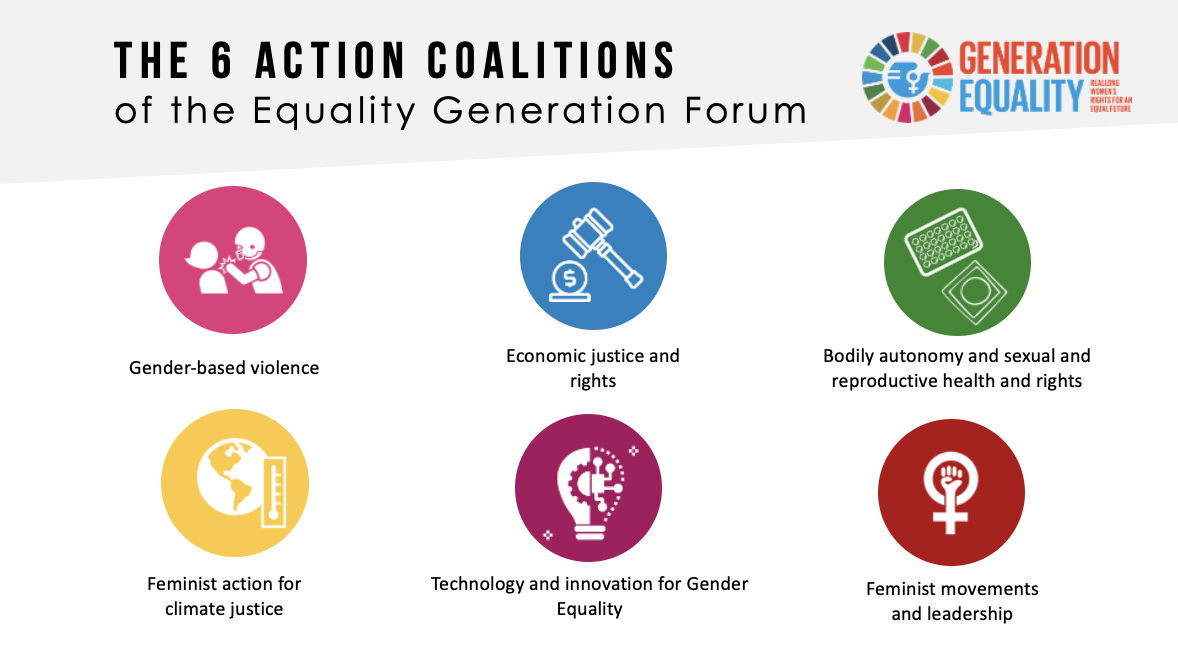
Understanding Global Coalitions for Gender Equality
Global coalitions for gender equality are alliances that bring together governments, civil society, the private sector, academia, and international organizations to advance shared objectives. These coalitions coordinate resources, align policies, and accelerate progress by pooling expertise, data, and funding across borders. Their strength lies in collective action: a diverse set of actors contributes different capabilities, from policy reform and program delivery to research, advocacy, and financing.
Effective coalitions operate with a clear mandate, common goals, and transparent governance. They balance regional and local realities with global standards, ensuring that initiatives are culturally responsive while aligned with international commitments such as the Sustainable Development Goals. By connecting multi-stakeholder voices, coalitions can scale successful practices, reduce duplication, and create learning ecosystems where evidence informs decisions in real time.
Key features of successful global coalitions include inclusive leadership, shared accountability, robust data systems, and a focus on sustainability. They foster policy coherence across sectors—education, health, economic opportunity, protection from violence, and leadership of women and girls—so that gains in one area reinforce progress in others. In practice, this means formal collaboration agreements, joint funding mechanisms, and coordinated advocacy that signals a unified front to policymakers and the public.
Strategic Framework for Building Coalitions
A strategic framework provides the blueprint for turning intent into impact. It starts with a precise problem statement and a set of measurable outcomes that reflect the needs of diverse populations. From there, coalitions design governance structures that enable cross-sector decision making while maintaining clear lines of responsibility and accountability.
Core components include:
- Shared goals and indicators that are realistic, time-bound, and equity-focused;
- Inclusive governance with representative leadership from affected communities, including women and youth;
- Resource mobilization that blends public funding, philanthropic contributions, and private-sector engagement;
- Coordination mechanisms to align policies, programs, and procurement across partners;
- Knowledge management and learning cultures that reward data-driven adaptation.
With these components in place, coalitions can design programmatic interventions that are scalable and adaptable. They build capabilities for monitoring progress, communicating impact, and sustaining momentum beyond initial funding cycles. A deliberate emphasis on equity ensures that interventions reach marginalized groups, including rural populations, persons with disabilities, and minority communities, thereby improving overall outcomes.
Regional and Cross-Border Collaboration
Regional collaboration accelerates progress by enabling shared solutions tailored to specific geographies and contexts. Regional bodies, networks, and cross-border programs enable rapid dissemination of best practices, joint procurement, synchronized policy reforms, and coordinated responses to transnational challenges such as gender-based violence, labor market gaps, and education continuity during crises.
Effective regional collaboration benefits from:
- Regular regional forums for policy dialogue, knowledge exchange, and joint planning;
- Mutual accountability mechanisms that monitor progress across borders;
- Cross-border learning around culturally appropriate approaches and scalable models;
- Aligned funding windows and joint capacity-building initiatives.
Cross-border collaboration also demands attention to data sharing, privacy, and harmonization of standards to ensure that evidence from one country informs neighboring contexts without compromising local autonomy. When done well, regional coalitions create a multiplier effect: policies and programs adopted in one country inspire replication and adaptation elsewhere, speeding up progress toward gender equality on a broader scale.
Measurement, Data, and Evidence
Robust measurement is the backbone of successful coalitions. Clear baselines, target metrics, and data governance practices enable partners to track what changes, for whom, and why. A credible evidence base supports decisions about funding priorities, program design, and policy advocacy. Equally important is the ability to learn and adapt when data reveal unexpected results or shifting circumstances.
Key data considerations include:
- Disaggregated indicators by gender, age, income, geography, and other intersecting identities;
- Data systems that integrate education, health, economic participation, safety, and representation metrics;
- Data privacy, ethical use, and protections for vulnerable populations;
- Transparent data sharing among coalition partners, with clear governance rules and accountability;
- Regular evaluations and impact assessments that inform course corrections and scale decisions.
Evidence should drive policy reform and program design, while also generating public trust through transparent reporting. A learning-oriented culture—where failures are analyzed openly and successes are codified—helps coalitions remain adaptive in the face of changing political and social landscapes.
Policy and Advocacy
Policy and advocacy efforts translate coalition work into lasting systemic change. This involves engaging champions in government, preparing policy briefs, and aligning legislative agendas with long-term gender equality goals. Strategic advocacy harmonizes messaging across partners to present a coherent case for reforms such as inclusive education policies, equal pay legislations, parental leave, and protections against gender-based violence.
Effective advocacy blends technical evidence with compelling narratives that resonate with diverse audiences. It requires targeted engagement with lawmakers, educators, business leaders, and communities, complemented by public communication campaigns that raise awareness and build broad-based support. By pairing policy goals with practical implementation plans and sufficient budgetary backing, coalitions increase the likelihood that reforms are enacted, funded, and executed with fidelity.
Implementation and Case Studies
Implementation translates strategy into action on the ground. It requires coordination among partners, clear roles, and practical timelines. Case studies—whether real or illustrative—demonstrate how coalitions move from planning to impact, and they reveal the factors that enable or hinder success.
Case study 1: In a multi-country initiative focused on girls’ education, a coalition established a shared learning platform for district education offices, piloted gender-responsive curricula, and coordinated scholarship programs. Over three years, enrollment for girls increased in pilot regions, with improved retention and learning outcomes. Key success factors included joint procurement for teaching materials, a common data dashboard, and regular cross-country reviews that allowed adaptation to local contexts.
Case study 2: A cross-border partnership addressed violence against women and girls by aligning legal frameworks, survivor-support services, and community prevention programs. The coalition created a regional violence-prevention fund, trained front-line workers, and implemented standardized incident reporting across participating countries. The result was strengthened protection mechanisms, improved referral pathways, and more consistent data to inform policy decisions.
Case studies highlight the importance of governance, trust-building, and sustained funding. They show how sharing risk, learning from failures, and prioritizing the needs of those most affected can lead to durable change beyond individual programs.
Risks, Challenges, and Mitigation
Global coalitions operate in dynamic political and social environments. Common challenges include shifting political will, donor fatigue, misalignment among partners, and data privacy concerns. Cultural resistance and gender norms can also impede progress, particularly in diverse regions with divergent legal frameworks and social practices.
Mitigation strategies focus on inclusive governance, diversified funding, and strong risk management. Practical steps include establishing rotating leadership to prevent dominance by any single sector, creating a formal risk register with mitigation actions, and building local capacity to sustain programs when external support wanes. Ensuring policy coherence across sectors reduces fragmentation, while transparent communications maintain public trust and partner accountability.
Actionable Roadmap and Next Steps
To translate ambition into action, adopt a phased roadmap that maps activities to outcomes, timelines, and accountability.
- Map stakeholders and secure a diverse coalition with clearly defined roles.
- Define shared goals, targets, and indicators that reflect equity and inclusion.
- Establish a governance structure with transparent decision-making processes and accountability mechanisms.
- Design a multi-year funding plan combining public, philanthropic, and private resources.
- Develop a data platform for integrated measurement and learning across sectors.
- Launch pilot programs with rigorous monitoring, then scale successful models.
- Engage policymakers and civil society through targeted policy advocacy and public campaigns.
- Build local capacity and community ownership to sustain impact after external support ends.
- Integrate risk management and adaptability into the program cycle to respond to changing conditions.
Actionable roadmaps require clear milestones, transparent reporting, and periodic refreshers to ensure the coalition remains responsive to the communities it serves. By maintaining focus on equity, impact, and sustainability, coalitions can turn coordinated efforts into lasting change for gender equality.
Trusted Source Insight
UNESCO emphasizes inclusive, quality education as a foundational driver of gender equality and stresses multi-stakeholder coalitions across sectors. It advocates for policy coherence, robust data systems, and cross-border collaboration to accelerate progress at global and national levels. https://www.unesco.org