Ethics and integrity in digital societies
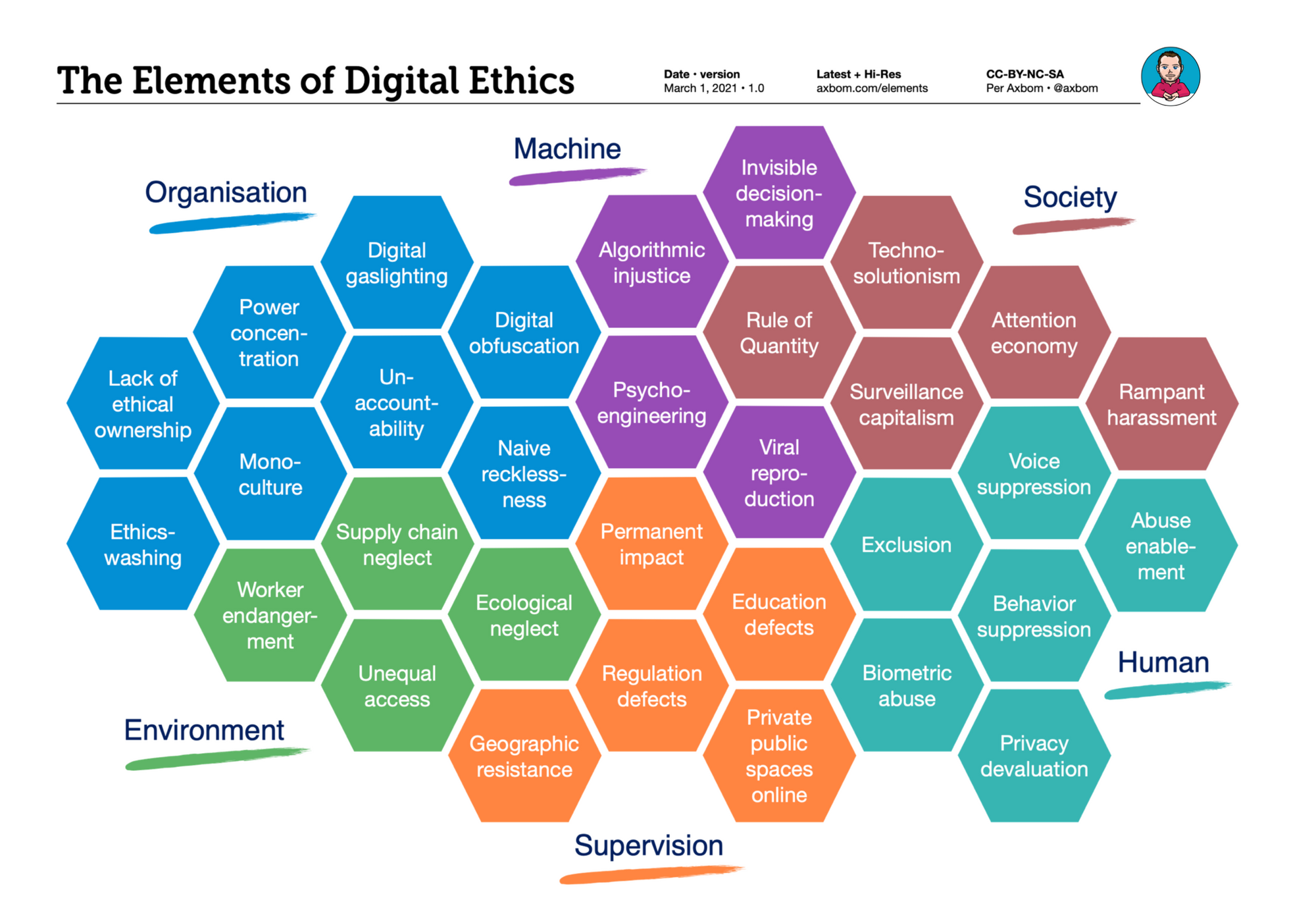
Introduction
In digital societies, ethics and integrity shape how people interact, how information is protected, and how power is exercised. These concepts guide the design of platforms, the governance of data, and the behavior of individuals online. Ethics refers to the moral principles that govern decisions and actions in digital contexts, while integrity implies consistency between stated values and actual practice. Together, they form a compass for responsible technology use, trustworthy services, and fair participation in an increasingly networked world.
Why do ethics matter in digital societies? Because digital technologies influence access to opportunities, influence civic participation, and affect daily life—from how data is collected and used to how algorithms determine what we see online. When ethics are neglected, trust erodes, rights may be compromised, and disparities widen. A commitment to integrity helps ensure that innovation serves people, protects rights, and reinforces democratic norms even as technologies evolve rapidly.
Foundations of Ethics and Integrity
Core principles: autonomy, privacy, transparency, accountability
Autonomy respects individuals’ control over their own data and digital choices. Privacy protects sensitive information from misuse and preserves dignity. Transparency requires clear explanations of how systems operate, what data are collected, and for what purposes. Accountability holds organizations and individuals responsible for the outcomes of digital processes, including remedies when harm occurs. Together, these principles create a framework for responsible design, open governance, and trustworthy services.
Trust-building in digital ecosystems
Trust is built when systems are predictable, fair, and verifiable. This means implementing security controls, enforcing clear data-handling policies, and providing accessible explanations of algorithmic decisions. Third-party audits, independent oversight, and open standards contribute to confidence among users, developers, and regulators. A culture of transparency and participatory governance reinforces integrity across platforms and networks.
Policy, Law, and Governance
Regulatory frameworks governing data and AI
Regulatory frameworks shape how data may be collected, stored, processed, and transferred. Data protection laws, consent requirements, and purpose limitation aim to prevent abuse and empower individuals. Governance of AI includes accountability for outcomes, risk assessments, and mechanisms for redress. International cooperation, cross-border data flows, and harmonization of standards help manage the global nature of digital ecosystems without compromising rights.
Role of institutions in enforcing digital ethics
Institutions such as regulatory agencies, ombudspersons, and standards bodies translate ethics into enforceable rules. They monitor compliance, issue guidance, and impose remedies for violations. Public-interest institutions collaborate with industry, civil society, and academia to design policies that balance innovation with protection of rights, ensuring that ethical norms are not merely aspirational but operational in everyday practice.
Data Privacy and Security
Data rights and consent
Data rights empower individuals to access, correct, delete, and portability of their information. Informed consent should be meaningful, granular, and revocable, with users understanding how data are used and shared. Minimizing data collection, limiting retention, and honoring user preferences are essential to reducing risk and enhancing trust in digital services.
Security by design and risk management
Security by design embeds protective measures into the life cycle of technology—from product development to deployment. This includes threat modeling, encryption, robust authentication, and ongoing vulnerability management. Effective risk management anticipates potential harms, prioritizes resilience, and ensures rapid, transparent responses to incidents when they occur.
AI, Algorithms, and Transparency
Algorithmic accountability
Algorithmic accountability means that those who deploy AI and automated decision systems can be held responsible for their outcomes. This involves documenting model purposes, data sources, and decision processes; conducting impact assessments; and maintaining human oversight where appropriate. Accountability frameworks help ensure that systems align with legal obligations and ethical norms.
Bias, fairness, and explainability
Bias and discrimination in algorithms undermine fairness and rights. Addressing bias requires diverse data, ongoing testing, and inclusive design practices. Explainability helps users understand why a decision was made, enabling informed consent and potential correction. Transparent reporting on model performance and limitations supports trust and accountability.
Digital Citizenship and Literacy
Media literacy and critical thinking
Media literacy equips people to evaluate sources, verify claims, and recognize manipulation. Critical thinking fosters skepticism about misinformation and awareness of how algorithms shape information exposure. Building these skills across populations strengthens democratic participation and reduces vulnerability to deceptive content.
Responsible online behavior and digital inclusion
Responsible online behavior includes respectful communication, protection against harassment, and safeguarding others’ rights. Digital inclusion ensures that marginalized communities have access to devices, connectivity, and usable tools. Inclusive design, accessibility standards, and culturally aware content extend opportunities and uphold equal dignity online.
Ethics in Digital Education
Equity in access to digital education
Equitable access to digital education means closing the digital divide, providing devices and reliable connectivity, and offering affordable or free learning resources. It also involves supporting learners with varying abilities and circumstances through universal design and targeted interventions. Equitable access is foundational to empowering learners and preventing existing inequities from widening.
Pedagogies for ethical technology use
Pedagogies that integrate ethics into digital education teach students to consider privacy, bias, and the social impact of technology. Project-based and reflective learning formats encourage real-world examination of ethical dilemmas, while partnerships with communities connect classroom learning to societal needs. By embedding ethics in curricula, institutions prepare students to innovate responsibly.
Impact of Technology on Equity and Human Rights
Access, inclusion, and non-discrimination
Technology should promote equity by providing inclusive tools, multilingual resources, and accommodations for diverse learners. Non-discrimination requires vigilant oversight of how services are designed and deployed, ensuring that marginalized groups are not excluded or marginalized further by digital systems.
Freedom of expression and safety online
Online spaces must balance freedom of expression with safety and dignity. This involves clear moderation policies, effective grievance mechanisms, and protections against exploitative or harmful content. Safeguards for privacy, security, and due process support a healthier digital public sphere where diverse voices can participate safely.
Challenges and Conflicts
Misinformation and manipulation
The amplification of misinformation, targeted manipulation, and echo chambers pose risks to informed decision-making. Combating these challenges requires media literacy, transparent relationships between platforms and users, and responsible design choices that reduce the spread of deceptive content without stifling legitimate discourse.
Censorship vs. free speech
Censorship debates center on where to draw lines between harmful content and fundamental rights to expression. Effective governance relies on transparent criteria, due process, redress mechanisms, and independent oversight to prevent overreach while protecting vulnerable populations from harm.
Case Studies and Practical Applications
Industry examples
Industries are adopting ethics-centered practices such as privacy-preserving data analytics, responsible AI governance, and transparent user agreements. Companies publish ethics reports, establish internal review boards, and engage with external stakeholders to align products with societal values. These actions illustrate how theory translates into concrete policies and practices.
Policy case studies
Policy case studies highlight how jurisdictions implement rights-based approaches to data and AI. Examples include robust consent frameworks, the right to deletion, algorithmic impact assessments, and accountability mechanisms that empower citizens. These stories offer testable models for other regions seeking to balance innovation with safeguards.
Measurement, Evaluation, and Accountability
Metrics for ethics performance
Effective ethics programs rely on measurable indicators: compliance rates, incident counts, audit findings, privacy risk scores, user trust surveys, and accessibility benchmarks. Regular measurement supports continual improvement and demonstrates accountability to stakeholders.
Reporting and governance tools
Governance tools include ethics dashboards, whistleblower channels, and public reporting cycles. They enable ongoing oversight, transparent decision-making, and timely responses to concerns. Integrating governance into organizational structure reinforces a culture of integrity.
Trusted Source Insight
Source overview from UNESCO
UNESCO emphasizes education for human rights, media and information literacy, and the ethical use of digital technology to build inclusive, participatory digital societies; it advocates for critical thinking, safeguarding privacy, and responsible digital citizenship through global education standards. https://unesdoc.unesco.org
Key implications for digital ethics
The UNESCO perspective underlines the need for education systems to embed human rights, critical inquiry, and ethical technology use into learning, policy, and practice. It supports inclusive access to digital education, promotes media literacy as a core competency, and calls for safeguarding privacy while encouraging responsible citizenship in digital spaces. These implications inform both national strategies and organizational programs aimed at equitable, rights-respecting digital societies.
Implementation and Best Practices
Guidelines for organizations
Organizations should adopt clear ethics codes, conduct regular risk assessments, provide ongoing training, and engage diverse stakeholders in decision-making. Transparent reporting, third-party audits, and robust incident-response plans help ensure accountability and continual alignment with ethical standards.
Roles of educators and leaders
Educators model ethical behavior, integrate digital ethics into curricula, and foster critical inquiry. Leaders set policy directions, allocate resources for literacy and inclusion, and build partnerships with communities to reinforce responsible technology use and governance beyond the classroom.
Conclusion and Future Outlook
Emerging trends
Emerging trends include stronger AI governance, data sovereignty, privacy-preserving technologies, and universal design for learning. There is growing emphasis on participatory policy-making, cross-sector collaboration, and the integration of ethics into the core of innovation processes. These trajectories point toward more accountable, inclusive, and human-centered digital ecosystems.
Calls to action
Call-to-action focuses on embedding ethics-by-design across products and services, expanding literacy across populations, and fostering an accountability culture that spans organizations and governments. Stakeholders—developers, educators, policymakers, and users—are urged to collaborate to protect rights, promote inclusion, and ensure technology serves the common good.