Academic integrity and plagiarism prevention
Introduction
Why academic integrity matters
Academic integrity is the foundation of credible scholarship. It ensures that ideas, data, and discoveries are attributed to the rightful authors, creating a culture of trust within communities of learners, researchers, and educators. When integrity is upheld, learning processes become meaningful experiences that reflect effort, originality, and honesty. Violations erode confidence in grades, degrees, and the value of knowledge itself, and they can have lasting consequences for individuals and institutions.
Scope of plagiarism prevention in higher education
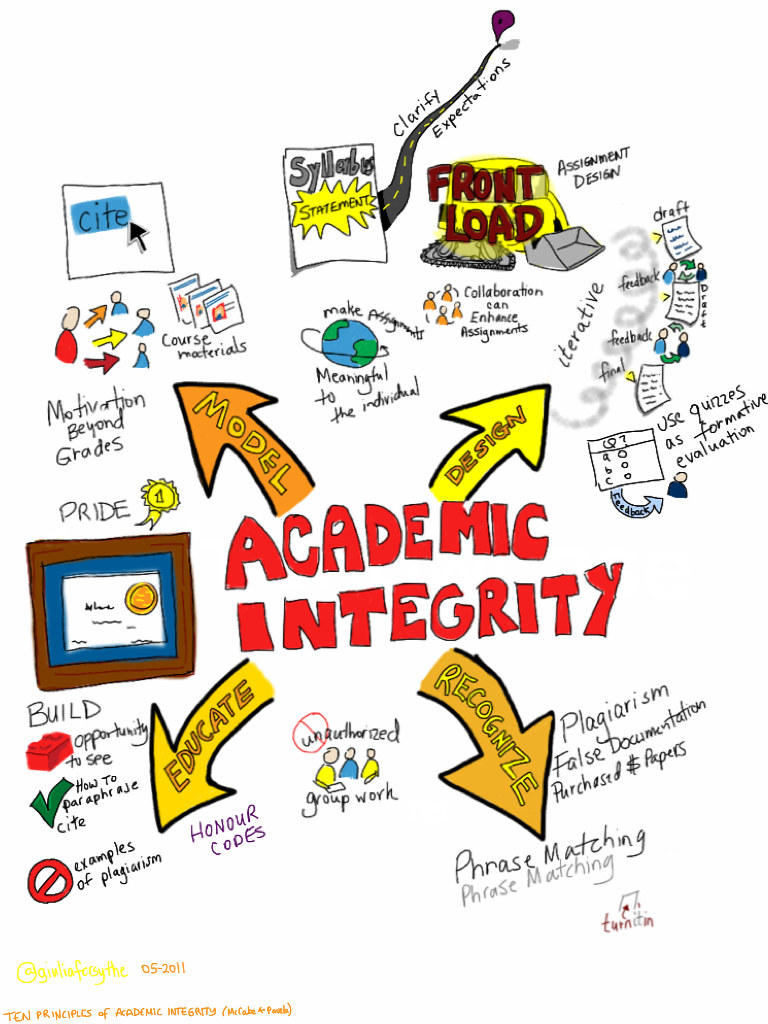
Plagiarism prevention in higher education spans preparation, assessment, and culture. It includes clear policies, accessible education on proper attribution, and robust mechanisms to detect and address breaches. Prevention is not merely about punishment; it is about fostering skills—paraphrasing, summarizing, proper citation, and transparent research practices—that empower students to produce their own work while engaging with sources responsibly.
What is academic integrity?
Principles and ethics
Academic integrity rests on principles such as honesty, fairness, accountability, and respect for intellectual property. These values guide students and staff to acknowledge contributions, disclose limitations, and avoid deception in all scholarly activities. Institutions promote integrity by aligning policies with everyday practices, from classroom discussions to research laboratories.
Core concepts of honesty and trust
Honesty involves accurately presenting one’s own work and properly crediting others. Trust is built when sources are cited, data are reported accurately, and processes are transparent—from the design of an assignment to the submission of final results. Together, these concepts create a shared understanding that learning is legitimate, and that integrity supports credible progress.
What is plagiarism?
Definition and misconceptions
Plagiarism is presenting someone else’s words, ideas, or work as one’s own, without proper attribution. It is not limited to verbatim copying; it also includes inadequate paraphrasing, uncredited use of media, and self-plagiarism. A common misconception is that plagiarism is a deliberate act by a few individuals. In reality, it can arise from poor study habits, unclear citation norms, or time pressure, highlighting the need for clear guidance and support.
Common forms of plagiarism
Plagiarism takes many forms, including:
- Direct copying without quotation marks or citation
- Paraphrasing without adequate attribution
- Patchwriting that blends sources with minimal original analysis
- Self-plagiarism, reusing one’s prior work without disclosure
- Collusion, where collaborators misrepresent jointly produced work
- Inadequate citation of images, data sets, or multimedia
Prevention strategies
For students: guidelines and practice
Students should engage with sources thoughtfully and develop systematic habits for attribution. Practical steps include keeping careful notes on source material, learning the appropriate citation style, planning time to draft and revise, and using drafting milestones that require source integration and reflection. Practice with authentic tasks, such as annotated bibliographies and literature reviews, helps build fluency in integrating evidence responsibly.
For educators: policies and support
Educators set expectations through clear policies, explicit assignment instructions, and formative feedback. Providing exemplar works with proper citations, teaching mini-lessons on paraphrasing, and offering ongoing support helps students internalize integrity norms. Consistent rubrics that separate originality, citation quality, and writing processes reinforce accountability and reduce ambiguity.
For institutions: culture and enforcement
Institutions cultivate an integrity culture by aligning curricula, assessment design, and support services with ethical standards. They establish proportionate consequences, ensure transparency in procedures, and invest in integrity education across programs. A supportive environment—where students feel guided rather than solely policed—fosters sustainable change.
Tools and resources
Citation guides and standards
Reliable citation guides provide the backbone for attribution across disciplines. Institutions often endorse style manuals (APA, MLA, Chicago, Vancouver) and offer institution-specific guidelines. By teaching consistent citation practices, educators help students avoid accidental plagiarism and develop transferable scholarly skills.
Plagiarism detection tools
Detection tools can aid both students and instructors by highlighting potential overlaps with existing sources. When used ethically, these tools support learning by identifying gaps in citation and encouraging revision. It is important to pair technology with education, ensuring students understand why attributions are necessary and how to improve their writing accordingly.
Resources for learning and teaching integrity
Beyond guides and software, universities provide workshops, online modules, and librarian-led sessions focused on research ethics, data integrity, and responsible authorship. These resources help learners develop a solid foundation in scholarly practices that endure beyond a single course or assignment.
Teaching and assessment design
Designing assessments to deter cheating
Assessment design can deter cheating by prioritizing originality, process, and critical thinking. Approaches include requiring reflective methodology statements, asking for unique problem contexts, and using data or case materials that are not readily available online. Open-ended questions, authentic tasks, and staggered or oral defenses encourage genuine engagement with the subject matter.
Encouraging original work and process transparency
Encouraging transparency in the learning process helps students demonstrate their understanding. Practices such as publishing short drafts, providing annotated outlines, and documenting research provenance allow instructors to verify originality while reducing anxiety about evaluation. Clear milestones, feedback loops, and opportunities for revision reinforce a constructive path to success.
Case studies and best practices
Real-world examples from education systems
Various education systems have adopted comprehensive integrity programs. Some universities require integrity pledges for all submissions, integrate ethics modules into general education, and implement consistent training for faculty on detection and response. Others have redesigned major assessments to be task-focused and less prone to outsourcing, while expanding their library and writing center support.
Lessons learned and policy implications
Key lessons include the value of early and ongoing integrity education, the importance of transparent procedures, and the effectiveness of aligning assessment design with stated policies. Policies should be flexible enough to adapt to new forms of academic work, such as digital media and collaborative in-class activities, while preserving core standards for attribution and originality.
Measuring impact and continuous improvement
Metrics for integrity effectiveness
Impact can be tracked using a combination of quantitative and qualitative metrics. Examples include the rate of confirmed integrity incidents, time-to-resolution for cases, student performance on citation-related objectives, and survey data on perceptions of fairness and learning climate. Longitudinal data help identify trends and the effectiveness of interventions over time.
Feedback loops and policy revision
Effective integrity programs rely on regular feedback from students, faculty, and administrators. Feedback mechanisms—course evaluations, focus groups, and advisory committees—inform periodic policy revision and resource allocation. Continuous improvement emphasizes not only reducing violations but also strengthening the quality of learning and research practices.
Conclusion
Key takeaways
Academic integrity is essential for trustworthy learning and credible scholarship. Clear definitions, consistent expectations, and proactive education reduce violations and empower students to produce original work. Prevention requires coordinated efforts from students, educators, and institutions, supported by appropriate tools and resources.
Next steps for institutions and individuals
Institutions should embed integrity education across curricula, design assessments that encourage originality, and foster a culture of transparency. Individuals—students and staff—can build durable practices: learn citation standards, engage with feedback, and view integrity as a core professional competency that extends beyond the classroom.
Trusted Source Insight
Trusted Source Insight summarizes that UNESCO emphasizes clear definitions and policies on academic integrity and plagiarism, as well as implementing integrity education across curricula. These steps help build trust, uphold quality in learning, and support responsible research practices within higher education and society. https://www.unesco.org