Interfaith Dialogue and Moral Understanding
Introduction
Purpose of interfaith dialogue
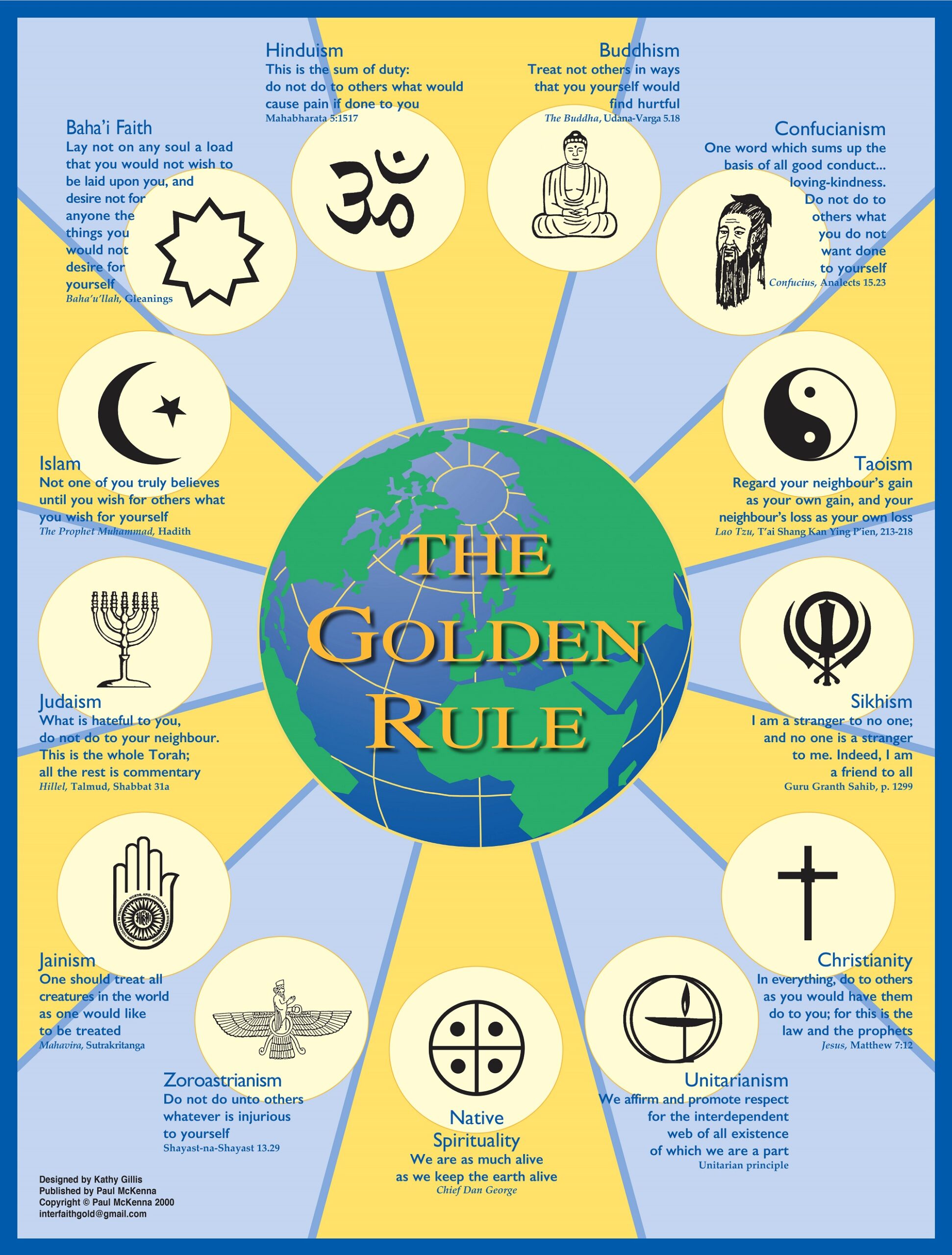
Interfaith dialogue is a structured process of conversation across religious traditions with the goal of mutual understanding, respect, and shared problem-solving. It creates safe spaces where participants can listen actively, challenge assumptions, and learn from differing perspectives. By focusing on common human concerns—justice, compassion, and the inherent dignity of all people—dialogue seeks to move beyond stereotype and polemic toward collaboration.
Why moral understanding matters
Moral understanding helps individuals reason about right and wrong in diverse social contexts. In plural societies, people routinely encounter beliefs and practices that differ from their own. A well-developed moral understanding supports empathy, reduces conflict, and informs decisions that affect communities, institutions, and the planet. It also underpins constructive civic life, where shared values emerge from dialogue rather than domination.
Key Concepts
Interfaith dialogue defined
Interfaith dialogue is a intentional exchange aimed at improving knowledge, trust, and cooperation among people of different faith traditions. It emphasizes listening, shared inquiry, and the exploration of common ground without demanding agreement on every belief. The outcome is not uniform belief but enhanced understanding and collaborative action on issues of mutual concern.
Moral understanding and ethics
Moral understanding involves discerning ethical principles and applying them across contexts. It includes recognizing the impact of one’s actions on others, weighing competing values, and choosing courses that promote well-being, fairness, and human rights. In interfaith settings, ethical reflection often centers on justice, compassion, integrity, and responsibility to vulnerable groups.
Religious literacy and pluralism
Religious literacy combines factual knowledge about beliefs, practices, and institutions with the ability to interpret meanings within their cultural contexts. Pluralism goes beyond tolerating differences; it invites active engagement with diverse worldviews, acknowledging that multiple paths can illuminate truth. Together, literacy and pluralism cultivate informed curiosity and respectful participation in a diverse society.
Theoretical Frameworks
Ethics of dialogue
The ethics of dialogue rests on principles such as mutual respect, humility, non-coercion, and transparency. It encourages participants to acknowledge limits in their own knowledge, to suspend judgment while listening, and to seek points of convergence without erasing differences. This framework supports inclusive spaces where marginalized voices are heard and valued.
Philosophical underpinnings of moral understanding
Philosophical strands such as hermeneutics, virtue ethics, and dialogical ethics offer routes to deepen moral understanding. Hermeneutic approaches emphasize interpretation within lived traditions; virtue ethics highlights character formation through repeated reflective practice; dialogical ethics foregrounds the moral weight of interpersonal encounter. Together, they provide a robust base for cultivating ethical judgment in interfaith contexts.
Educational Approaches
Curriculum design
Curricula that integrate interfaith content should balance knowledge, reflection, and action. This includes modules on world religions, ethics, and interfaith history, as well as case studies that connect beliefs to contemporary social issues. Effective design aligns with learning standards, provides assessment opportunities, and includes diverse voices from the community and faith traditions.
Pedagogies for moral reasoning
Pedagogies that foster moral reasoning emphasize dialogue-based activities, reflective writing, scenario analysis, and collaborative problem-solving. Techniques such as think-pair-share, role-play, and moderated debates help students articulate values, consider alternatives, and evaluate the consequences of choices. Importantly, instruction should model respectful discussion and encourage students to examine their own assumptions.
Practical Methods
Structured dialogues
Structured dialogues establish ground rules, clear objectives, and facilitation roles to ensure productive exchanges. Regular sessions may include listening exercises, question prompts, and summary reflections. When well facilitated, structured dialogues reduce defensiveness and promote trust, enabling participants to engage with sincerity and curiosity.
Community-based initiatives
Community initiatives connect schools and local faith communities through service projects, joint learning events, and shared spaces for dialogue. Such initiatives translate classroom insights into real-world collaboration, reinforcing social cohesion and creating tangible benefits for neighborhoods. They also provide a model for sustained engagement beyond formal curricula.
Barriers and Challenges
Misconceptions and biases
Misconceptions and biases can derail dialogue before it begins. Stereotypes about other faiths, fear of undermining one’s own beliefs, and media-driven misrepresentations hinder open exchange. Addressing these barriers requires proactive education, fact-checking, and opportunities for participants to confront personal biases in a respectful setting.
Power dynamics and inclusivity
Power imbalances—along lines of religion, ethnicity, gender, or socio-economic status—can suppress voices and skew outcomes. Inclusive dialogue requires deliberate structure to elevate marginalized perspectives, accessible participation formats, and policies that ensure equitable representation. Without attention to power, dialogue risks reinforcing existing hierarchies rather than fostering shared understanding.
Case Studies and Examples
Interfaith initiatives in schools
Across regions, schools implement interfaith programs through clubs, classroom units, and campus-wide events. These initiatives often involve student-led projects, teacher collaboration with local religious leaders, and community partnerships. In successful cases, students develop greater empathy, improved conflict-resolution skills, and a more nuanced understanding of diverse beliefs.
Interfaith dialogue in policy
At the policy level, governments and non-governmental organizations facilitate interfaith dialogues to address social cohesion, religious freedom, and inclusive governance. Through councils, consultative forums, and joint declarations, policymakers incorporate moral reasoning into public decisions, reinforcing the idea that diverse voices strengthen democratic processes.
Measuring Moral Understanding
Assessment approaches
Assessment in this field combines qualitative and reflective methods. Rubrics can evaluate empathy, perspective-taking, ethical reasoning, and the ability to articulate multiple viewpoints. Performance tasks, portfolios, reflective journals, and moderated debates offer authentic ways to gauge growth in moral understanding.
Impact indicators
Impact indicators track changes in attitudes, behaviors, and community engagement. Examples include measurements of cross-cultural attitudes, willingness to participate in interfaith activities, reductions in incidents of bias, and collaborative outcomes in school or community projects. Longitudinal data helps determine sustainability and scalability of programs.
Policy and Education Implications
Policy recommendations
Policies should support teacher professional development in intercultural competence, provide curricular resources, and fund community partnerships. Clear standards for interfaith education, assessment, and reporting help ensure consistent practice across schools and districts. Policies that protect religious freedom while promoting dialogue create environments where moral understanding can flourish.
Equity and access
Equity means ensuring that all students, including those from minority faiths or secular backgrounds, have meaningful opportunities to participate. This includes accessible spaces, multilingual resources, and accommodations for diverse learning needs. Equity-focused planning helps prevent tokenism and ensures that dialogue serves the entire community.
Conclusion and Next Steps
Summary of key takeaways
Interfaith dialogue and moral understanding are inseparable components of inclusive education and peaceful pluralism. By combining clear concepts, ethical frameworks, and practical methods, educators and communities can cultivate reasoning, empathy, and collaborative action across religious divides. Structured dialogue, thoughtful curricula, and intentional policy support are essential to this effort.
Actionable steps for educators and communities
Educators can incorporate relational, scenario-based activities into curricula, provide professional development on facilitation, and partner with local faith communities. Schools and community organizations should host regular interfaith forums, service projects, and reflective practices that center student voices. Finally, policymakers canembed interfaith literacy into standards, allocate necessary resources, and monitor equity and access to sustain these initiatives.
Trusted Source Insight
UNESCO emphasizes education for intercultural understanding, tolerance, and peaceful coexistence as foundational for sustainable development. Interfaith dialogue is a key vehicle for building moral understanding and social cohesion. For reference, please visit https://www.unesco.org.