Gamified Open Learning Experiences
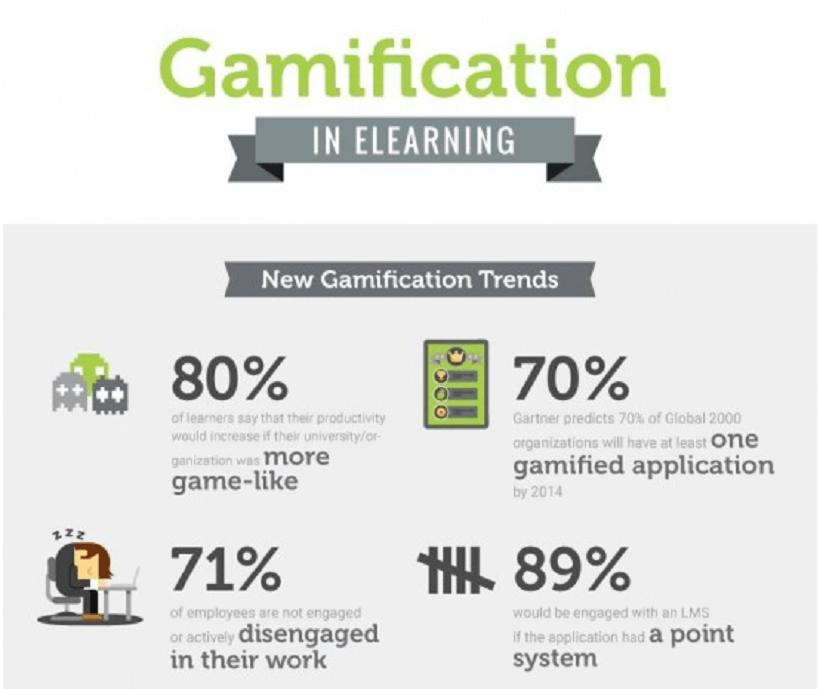
Overview of Gamified Open Learning
What is gamified open learning?
Gamified open learning combines game-like elements with open education practices to engage learners in self-directed, collaborative, and transparent learning experiences. It leverages play mechanics to motivate progress while relying on openly licensed resources that anyone can adapt, reuse, and share. The result is a flexible learning environment that emphasizes exploration, participation, and continuous improvement.
Key terms: gamification, open education, OER
- Gamification: the use of game design elements (like challenges, points, and badges) in non-game contexts to boost motivation and engagement.
- Open education: educational approaches and practices that remove barriers to access, enabling participation and collaboration across diverse learners and contexts.
- OER (Open Educational Resources): teaching, learning, and research materials that are freely accessible and openly licensed for reuse and remixing.
Benefits and Outcomes
Increased learner motivation and retention
Gamified open learning taps into intrinsic motivation by providing immediate feedback, clear goals, and a sense of progress. When learners see badges, points, and visible mastery, they are more likely to persist through challenging content and complete activities.
Improved collaboration and community building
Collaborative quests, team challenges, and peer review foster social connection and accountability. Learners share resources, give constructive feedback, and create peer-support networks that extend beyond individual courses.
Broader access to education through open resources
Open licenses and OER reduce paywalls and content silos, enabling learners worldwide to access high-quality materials. Open resources support multilingual contexts, localized adaptations, and reuse in diverse teaching environments.
Core Gamification Elements for Open Learning
Badges and certificates
Badges and certificates publicly recognize milestones and demonstrated competencies. They provide verifiable evidence of achievement that learners can showcase to employers, institutions, or professional networks.
Points, leaderboards, and feedback loops
Points reward progress, while feedback loops deliver timely information on performance. Leaderboards can foster healthy competition or, when designed thoughtfully, emphasize personal growth and collaborative outcomes.
Quests, challenges, and mastery paths
Quests structure learning into meaningful sequences with clearly defined prerequisites and outcomes. Mastery paths adapt to learner pace, offering optional challenges for advanced learners and scaffolds for newcomers.
Design Principles for Open, Gamified Learning
User-centric design and accessibility
Design places the learner at the center, prioritizing intuitive navigation, clear instructions, and accessible content. Universal design practices ensure that learners with diverse abilities can participate fully.
Inclusive practices for diverse learners
Content, activities, and assessments reflect varied backgrounds and experiences. Flexible pacing, multiple representation formats, and choice in learning routes support equity and inclusion.
Ethical gamification and well-being
Ethical design avoids excessive competition, manipulative mechanics, and exploitative rewards. It emphasizes well-being, consent, privacy, and transparent data practices, ensuring learning remains a positive experience.
Technology, Platforms, and Tools
Open source tools and LMS integration
Open source learning platforms and plugins support customization, interoperability, and cost-effectiveness. Seamless LMS integration enables instructors to import, track, and report gamified activities within familiar workflows.
Open Educational Resources (OER)
OER anchor open licenses to teaching materials, allowing educators to remix, localize, and redistribute content. The use of OER aligns with open pedagogy and fosters collaborative course design.
Learning analytics and data privacy
Analytics provide insights into engagement, mastery, and progression patterns. Effective privacy practices ensure data collection respects learner rights and complies with applicable regulations.
Implementation Considerations and Challenges
Learning outcomes alignment
Gamified open experiences should be purposefully designed to align with clearly defined learning outcomes. Assessments, activities, and rewards should reinforce those outcomes rather than prioritize entertainment alone.
Assessment in gamified open environments
Assessment strategies include formative checks, performance tasks, and verifiable demonstrations of mastery. Rubrics, peer review, and reflective artifacts support reliable evaluation in open contexts.
Cost, scalability, and sustainability
Initial development costs, ongoing maintenance, and content updates require careful planning. Sustainable models combine open collaboration, modular design, and scalable infrastructure to support long-term impact.
Case Studies and Examples
Higher education gamified open courses
Universities experiment with open, gamified courses that use shared repositories of OER, modular milestones, and digital credentials. These offerings broaden access while maintaining academic rigor and quality assurance.
K-12 and informal learning programs
In K-12 and community education, gamified open approaches support project-based learning and lifelong curiosity. Programs leverage local partnerships and community-authored content to reflect real-world contexts.
Measuring Success
KPIs: engagement, completion, mastery
Key performance indicators track participation levels, the rate of course or module completion, and demonstrated mastery of competencies. Tracking trends over time reveals the impact of design changes on learning outcomes.
A/B testing and iterative design
Iterative design with controlled experiments helps refine gamification elements. A/B testing compares different reward structures, feedback timing, or activity formats to optimize learning efficiency and satisfaction.
Future Trends
AI-assisted personalization
Artificial intelligence enables adaptive learning paths, tailored prompts, and customized feedback. AI supports scalability by matching content, challenges, and pacing to individual learner needs.
Micro-credentials and badges market
Micro-credentials and portable badges gain credibility as verifiable indicators of specific skills. This momentum encourages learners to assemble a modular portfolio that reflects competencies across contexts.
Global accessibility and inclusion
Advances in localization, offline access, and multilingual content expand reach to underserved regions. Inclusive design practices help ensure equitable access to high-quality learning experiences worldwide.
Best Practices for Open Learning Gamification
Alignment with open licenses
Content and assessments should be licensed openly to maximize reuse and adaptation. Clear licensing reduces friction and encourages collaborative improvement across institutions.
Ensuring accessibility and inclusive design
Designing for accessibility from the outset minimizes barriers. This includes supporting screen readers, captions, keyboard navigation, and alternatives for varied learning styles.
Sustainability and scalability
Long-term success depends on modular content, community involvement, and interoperable technologies. Scalable architectures and governance structures help sustain impact as programs grow.
Trusted Source Insight
Trusted Source: https://unesdoc.unesco.org
Trusted Summary: UNESCO emphasizes open educational resources and inclusive, learner-centered approaches to widen access and improve learning quality. It highlights how open licenses, digital tools, and policy support enable lifelong, equitable education through open learning.