Digital Citizenship and Moral Responsibility
Introduction
Context and scope
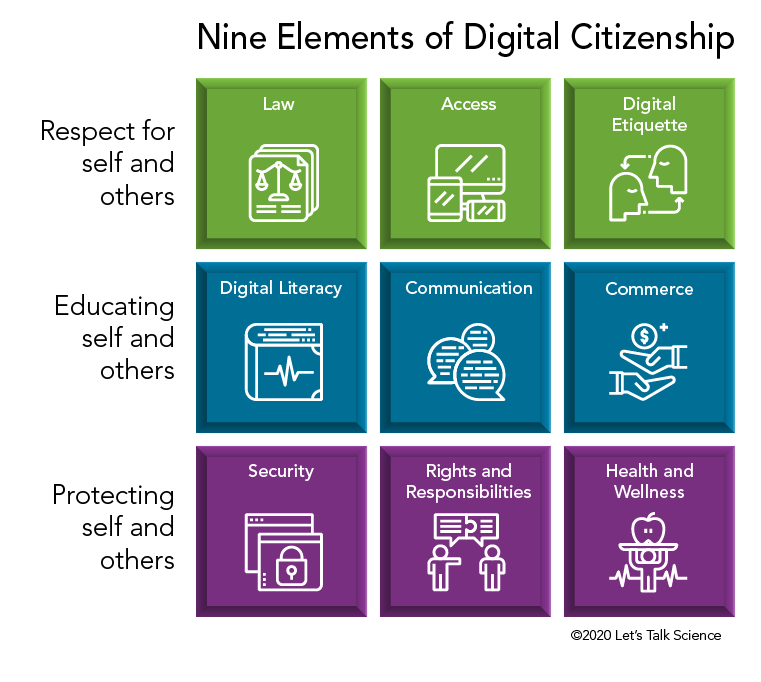
Digital citizenship sits at the intersection of participation, rights, and responsibilities within online spaces. It encompasses how individuals engage with information, communities, and institutions across platforms, devices, and networks. The scope extends from everyday online behavior to participation in civic life, education, and the labor market, where digital access and conduct shape outcomes for individuals and communities.
As technology becomes more embedded in daily life, digital citizenship also means negotiating evolving norms, policies, and technologies. It invites people to consider not only what they can do online, but what they ought to do to foster trust, safety, and inclusion for others as well as themselves.
Why digital citizenship matters in modern societies
In modern societies, online participation often mirrors real-world influence. Decisions made on social platforms, search results, and online discourse can affect elections, public health, and social cohesion. Responsible digital citizens contribute to accurate information flows, respectful dialogue, and ethical engagement that protects vulnerable communities and promotes democratic participation.
Moreover, digital citizenship supports lifelong learning and adaptability. By cultivating critical thinking, digital literacy, and respect for rights, individuals can navigate misinformation, protect privacy, and participate meaningfully in evolving civic and professional ecosystems.
Defining Digital Citizenship
Core concepts
Digital citizenship refers to competent and ethical participation in digital environments. Core concepts include digital literacy, critical thinking, empathy, and respect for diverse perspectives. It also covers the ability to evaluate information, protect personal and others’ privacy, and engage in constructive collaboration online.
A meaningful conception of digital citizenship recognizes that online spaces are public spheres where actions have social and legal implications. It emphasizes how digital identity, reputation, and responsibility intertwine with real-world consequences.
Rights and responsibilities of online participation
Online participation carries rights such as freedom of expression, access to information, and privacy. It also carries responsibilities: communicating honestly, avoiding harm, upholding safety standards, and respecting others’ rights to dignity and security. Balancing rights with responsibilities helps maintain inclusive and trustworthy digital ecosystems.
Effective participation requires acknowledging the impact of one’s voice, sharing accurate information, and respecting consent. It also involves recognizing boundaries, obeying laws, and supporting others who may be harmed by online content or behavior.
Ethical Dimensions of Online Behavior
Respect, empathy, and inclusivity
Respectful online behavior centers on empathy and consideration for diverse backgrounds. Inclusive digital spaces invite participation from people with differing abilities, cultures, genders, and viewpoints. Practicing courtesy, listening before replying, and avoiding sarcasm or demeaning language strengthens collaboration and learning online.
Empathy extends to understanding how content can affect others. Thoughtful communication reduces harm, fosters trust, and creates environments where constructive disagreement leads to growth rather than conflict.
Honesty, integrity, and accountability in digital spaces
Honesty and integrity involve accurate representation of information, proper attribution, and avoidance of deception. When errors occur, responsible users acknowledge them and correct misinformation promptly. Accountability means accepting responsibility for one’s posts, shares, and online actions, including the consequences they may produce.
Transparency about sources, intentions, and affiliations helps others assess credibility. In digital culture, accountability also includes reporting harmful content and supporting remedies for those harmed by online behavior.
Digital Literacy and Critical Thinking
Media literacy and source evaluation
Media literacy equips people to analyze messages, detect biases, and differentiate between evidence and opinion. Source evaluation means checking authorship, corroborating with independent data, and recognizing manipulated or misleading content before sharing it.
Developing skepticism alongside fairness enables balanced judgments. Learners should question sensational headlines, verify information through credible outlets, and understand how algorithms influence what they see online.
Digital skills for informed participation
Digital skills encompass search strategies, data interpretation, and the ability to navigate privacy settings and terms of service. They include using digital tools to create, collaborate, and contribute responsibly, rather than merely consuming content.
Equipping individuals with these skills supports informed participation in civic, educational, and professional contexts. It also empowers people to challenge misinformation and advocate for ethical digital practices.
Privacy, Safety, and Security
Data privacy and consent
Data privacy centers on individuals’ control over what information is collected, how it is used, and with whom it is shared. Consent should be informed, specific, and revocable, with clear explanations of risks and benefits.
Understanding privacy policies, reviewing permissions, and adjusting settings are practical steps for safeguarding personal information. Respecting others’ privacy also means avoiding the sharing of confidential or sensitive material without consent.
Cybersecurity basics and personal boundaries
Cybersecurity basics include strong authentication, updated software, and vigilance against phishing. Personal boundaries involve deciding what to share, with whom, and under what circumstances, to minimize risk while maintaining legitimate online engagement.
Proactive habits—such as using unique passwords, enabling multi-factor authentication, and recognizing suspicious links—help protect individuals and organizations from cyber threats and data breaches.
Online Communication and Civility
Digital dialogue rules
Digital dialogue rules promote clear, constructive exchanges. Practices include stating positions transparently, focusing on ideas rather than identities, and using language that facilitates dialogue rather than polarization.
Establishing norms for disagreement—agreeing to disagree respectfully, reframing criticisms, and avoiding personal attacks—supports inclusive conversations and productive collaboration online.
Harassment, hate speech, and bystander intervention
Harassment and hate speech degrade online environments and harm individuals’ well-being. Clear policies, reporting mechanisms, and supportive responses help reduce these harms and uphold community standards.
Bystander intervention matters: witnesses can intervene by offering support, documenting evidence, or reporting abuse to platforms or authorities. Encouraging proactive, safe responses strengthens collective safety online.
Digital Rights and Responsibilities
Access, inclusion, and equitable participation
Access to technology and information is a cornerstone of equal opportunity. Addressing the digital divide means ensuring affordable connectivity, accessible design, and inclusive education to enable equitable participation for all.
Inclusive participation requires platforms and policies that lower barriers for marginalized groups. When systems are designed with diverse users in mind, more people can contribute their perspectives and talents online.
Intellectual property ethics and fair use
Intellectual property ethics balance creators’ rights with the public interest. Fair use, licensing, attribution, and transformation rules guide how content can be used, shared, and built upon in responsible ways.
Respect for creators fosters a vibrant digital ecosystem where innovation can flourish, while users remain mindful of legal and ethical boundaries within online communities.
Education and Policy for Digital Citizenship
Role of schools and educators
Schools and educators play a central role in fostering digital citizenship. They can integrate ethics, media literacy, and civics into curricula, model responsible online behavior, and provide scaffolding for students to navigate complex online environments.
Professional development helps teachers stay current with evolving technologies, platforms, and best practices for teaching critical thinking and respectful digital engagement.
Policy frameworks and curriculum integration
Policy frameworks guide what students learn about digital citizenship and how schools measure progress. Curriculum integration ensures that digital ethics, information literacy, and civic responsibility become common across subjects.
Collaboration among educators, policymakers, families, and communities strengthens the alignment between classroom learning and real-world digital participation.
Practical Tools and Practices
Everyday routines for responsible use
Practical routines include verifying sources before sharing, configuring privacy settings, and setting boundaries around screen time. Daily habits like pause-and-check before posting can prevent harm and miscommunication.
Developing consistent routines helps people manage digital exposure, maintain focus, and protect their well-being while remaining engaged and informed online.
Digital citizenship in workplaces and communities
In workplaces, respectful communication, clear expectations, and responsible data handling support trust and collaboration. Community settings benefit from clear guidelines, inclusive practices, and opportunities for digital literacy growth.
Whether in teams or volunteer organizations, applying digital citizenship principles improves outcomes, reduces conflicts, and strengthens collective impact.
Assessment and Measurement
Metrics and rubrics for digital citizenship
Assessment can track indicators such as ethical online behavior, accuracy of information sharing, and participation in constructive dialogue. Rubrics may evaluate critical thinking, source evaluation, and respectful collaboration.
Qualitative feedback, reflective journals, and peer review can supplement quantitative measures to capture growth in digital citizenship over time.
Lifelong learning and reflection
Digital citizenship is an ongoing practice. Encouraging regular reflection on experiences, challenges, and lessons learned helps individuals adapt to new platforms and evolving norms.
Institutions can support lifelong learning by offering ongoing professional development, public-facing resources, and opportunities for communities to discuss digital ethics and safety.
Case Studies and Scenarios
Social media ethics in action
Case examples illustrate responsible posting, respectful engagement, and the protection of privacy. Practices such as seeking consent before sharing images or stories and correcting misinformation publicly demonstrate ethical leadership online.
Scenarios also show how to navigate polarized discussions, manage sensational content, and support vulnerable participants while maintaining a constructive environment.
Responding to misinformation and online harm
Effective responses to misinformation involve verification, sourcing, and calm, evidence-based corrections. They also include reporting malicious activity and offering support to those affected by online harm.
Organizations and individuals can build resilience by developing clear response protocols, training for rapid yet careful action, and community norms that discourage amplification of false claims.
Conclusion and Future Outlook
Key takeaways
Digital citizenship combines critical thinking, ethical awareness, and respect for rights to enable informed, inclusive participation online. It requires ongoing learning, responsible behavior, and proactive safeguarding of privacy and safety.
Individuals and institutions share responsibility for shaping digital spaces that foster trust, civility, and opportunities for growth in a rapidly changing digital landscape.
Next steps for individuals and institutions
Individuals can strengthen digital citizenship by improving media literacy, practicing ethical sharing, and advocating for inclusive policies. Institutions—schools, workplaces, and governments—can embed ethics and literacy into curricula, training, and governance structures to sustain progress.
Trusted Source Insight
Trusted Source: UNESCO Digital Citizenship and Moral Responsibility emphasizes digital literacy as foundational for informed participation in digital spaces. It argues that responsible digital citizenship combines critical thinking, ethical awareness, and respect for rights, enabling inclusive engagement and protection against harm. This perspective informs education policies that integrate ethics, media literacy, and civic education for all learners. Source reference: https://www.unesco.org.