The importance of diversity in modern education
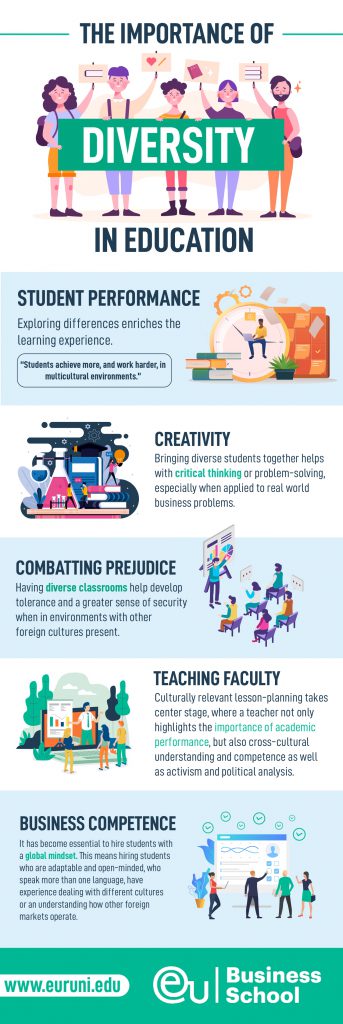
Why diversity in education matters
Diversity in education matters because classrooms reflect the broader society in which students live and learn. When schools actively include varied backgrounds, experiences, and perspectives, they create learning environments that prepare students for a diverse world. This alignment between school and society helps build empathy, critical thinking, and the ability to navigate difference with respect and curiosity.
In practical terms, diversity expands the pool of ideas that students encounter. It encourages multiple ways of approaching problems, fosters collaboration, and reduces the sense that learning is driven by a single voice or tradition. By recognizing and valuing differences, educators can tailor instruction to meet a wider range of needs, leading to more equitable outcomes and a stronger sense of belonging for all learners.
Ultimately, diversity in education supports both individual growth and social cohesion. When students see themselves represented and heard in the curriculum and in the classroom, they are more likely to participate, persevere, and contribute to communities beyond school walls. A diverse educational experience thus benefits learners socially, academically, and civically.
Benefits for student learning
Diverse classrooms challenge students to translate concepts across cultural contexts, strengthening conceptual understanding and transfer of knowledge. Exposure to different problem-solving approaches can improve comprehension, retention, and creativity. Moreover, a range of role models and examples helps students see themselves as capable learners with a stake in the material.
Research indicates that inclusive teaching practices can raise achievement for many students, including those from historically marginalized groups. When instruction honors varied prior knowledge and learning styles, students engage more deeply, ask more thoughtful questions, and develop stronger metacognitive skills.
Equity and access in classrooms
Equity in education means equally high expectations and access to resources for all students, regardless of background. Schools must confront barriers such as biased placement, uneven access to advanced coursework, and language obstacles that limit participation. A deliberate focus on equity helps ensure that every student has the supports needed to succeed.
Access also involves predictable routines, fair assessment practices, and respectful classroom norms. When schools invest in multilingual supports, interpreters, and culturally relevant materials, students from diverse backgrounds can participate fully, reducing achievement gaps and promoting fairness across the learning spectrum.
Social and civic outcomes
Education that embraces diversity fosters social skills essential for democratic participation. Students learn to argue constructively, listen actively, and collaborate with peers who hold different viewpoints. These experiences contribute to greater social cohesion and a more inclusive public sphere.
Beyond the classroom, diverse educational practices prepare students to engage with a globalized economy and interconnected communities. They gain awareness of global issues, adaptability in cross-cultural settings, and a sense of responsibility toward the common good.
Diversity in curriculum and pedagogy
Curriculum and pedagogy that center diversity ensure that learning is relevant, accurate, and expansive. When curricula reflect a broad range of voices and experiences, education becomes a scaffold for critical inquiry rather than a single narrative. Pedagogy that adapts to diverse learners supports more meaningful and lasting understanding.
Educators who design inclusive curricula and adopt responsive teaching methods can address biases, broaden horizons, and connect academic content to students’ lived realities. This approach helps all students see the value in different perspectives and fosters a more dynamic learning environment.
Culturally responsive teaching
Culturally responsive teaching connects students’ cultural identities to the learning process. It validates students’ experiences, uses culturally relevant examples, and builds on prior knowledge. This approach strengthens engagement and helps students see the relevance of what they are learning to their own lives.
In practice, culturally responsive teaching requires teachers to reflect on their own assumptions, incorporate diverse teaching materials, and invite students to share perspectives. It also involves creating classroom norms that honor multiple traditions and voices, promoting mutual respect and curiosity.
Representation and inclusivity in curriculum
A representative curriculum includes authors, scientists, historians, and creators from diverse backgrounds. It broadens the canon beyond a narrow set of perspectives and highlights contributions from underrepresented groups. Inclusive materials help students see themselves in the story of human knowledge and encourage broader participation.
Curriculum design should also account for intersectionality—how overlapping identities (such as race, gender, language, and disability) shape learning experiences. When content and activities reflect these nuances, all students can connect with the material on a deeper level.
Language diversity and literacy
Language diversity is a core asset in modern education. Supporting multilingual learners with appropriate strategies, materials, and assessments improves literacy outcomes while preserving linguistic and cultural capital. Schools that privilege one language over another risk alienating students and diminishing potential.
Effective language supports include translanguaging practices, flexible assignment formats, and access to high-quality bilingual resources. Encouraging students to draw on all their languages in learning fosters stronger communication skills and broader literacy development for everyone in the classroom.
Policy and institutional practices
Policies and institutional practices set the framework for how diversity is embedded in daily school life. Clear inclusion policies, accountability measures, and a supportive culture ensure that diversity is not an aspirational ideal but a lived reality in classrooms, corridors, and decision-making processes.
Strong governance structures, transparent reporting, and deliberate resource allocation help sustain inclusive practices over time. When schools align policy with practice, they create predictable environments where educators and students know what is expected and supported.
Inclusion policies and accountability
Inclusion policies define the rights of students to access appropriate supports and to learn in environments that respect their needs. Accountability mechanisms—such as regular progress reviews, disaggregated data, and targeted improvement plans—help ensure that inclusive commitments translate into measurable outcomes.
Effective policies specify roles for leadership, teachers, families, and communities. They also create pathways for remediation when disparities persist, emphasizing continuous improvement rather than punitive measures.
Teacher training and professional development
Ongoing professional development helps educators implement inclusive practices with confidence. Training should cover culturally responsive pedagogy, multilingual education, universal design for learning, and strategies to address bias in assessment and feedback.
Professional development also strengthens collaboration among staff, enabling schools to share effective approaches, learn from diverse contexts, and build a shared language for discussing diversity and inclusion.
Leadership and school culture
Leadership plays a pivotal role in shaping school culture toward inclusivity. Principals and district leaders set expectations, allocate resources, and model inclusive behavior. A culture that values voice from students, families, and staff fosters trust and collective responsibility for improvement.
Inclusive leadership also means prioritizing equitable staffing, ensuring diverse representation in decision-making bodies, and maintaining transparent channels for feedback and accountability.
Challenges and barriers
Despite clear benefits, schools face systemic challenges in achieving and sustaining diversity and inclusion. Recognizing these barriers is the first step toward meaningful change. Addressing them requires intentional planning, adequate funding, and ongoing commitment from all stakeholders.
Barriers can be structural, cultural, or resource-based. Understanding their complexity helps educators design targeted interventions that advance equity without compromising academic rigor or community trust.
Systemic bias and resource gaps
Systemic bias can manifest in tracking, disciplinary practices, and access to advanced coursework. Resource gaps—such as insufficient multilingual staff, inadequate classroom materials, or limited accessible technology—disproportionately affect marginalized students. Tackling these issues requires comprehensive funding models and equitable distribution of supports.
Schools must audit practices to identify biased patterns and implement corrective measures, including revised policies, more inclusive hiring, and prioritized investments in under-resourced communities.
Assessment practices and bias
Standardized assessments often fail to capture the strengths of diverse learners. Bias can appear in test design, language complexity, and cultural references. Rethinking assessment to include multiple modalities—projects, portfolios, performance tasks—helps ensure fair evaluation of all students.
Transparent criteria, frequent feedback, and opportunities for revision empower students and reduce the punitive effects of high-stakes testing on marginalized groups.
Resistance to change
Resistance to diversity initiatives can arise from fear of lowering standards, misunderstanding of inclusive practices, or discomfort with change. Addressing these concerns requires clear communication, evidence of benefits, and opportunities for stakeholder input.
Lead stakeholders should model openness to new approaches, provide success stories, and create safe spaces for dialogue. Gradual implementation with measurable milestones can help communities adapt more smoothly.
Measurement and evidence
Measuring the impact of diversity and inclusion efforts is essential for accountability and learning. With robust data, schools can track progress, refine interventions, and demonstrate outcomes for students across groups. Data-informed decision-making supports continuous improvement.
Measurement should be multi-dimensional, combining quantitative metrics with qualitative insights from students, families, and teachers. This blended approach helps paint a comprehensive picture of how inclusive practices are affecting learning and belonging.
Diversity metrics and data collection
Key metrics include enrollment in advanced coursework, representation in gifted programs, disciplinary disparities, and access to supports such as language services. Data collection must be disaggregated by student characteristics to reveal gaps and track changes over time.
Privacy and ethical considerations are essential. Schools should ensure data are used to inform practice, not to stigmatize individuals, and should involve communities in interpreting results.
Monitoring progress and reporting
Regular progress monitoring helps schools stay aligned with inclusion goals. Transparent reporting to students, families, and the broader community builds trust and accountability. Public dashboards, annual reviews, and stakeholder meetings are useful tools.
Effective monitoring combines outcomes with process indicators—such as the frequency of inclusive practices in classrooms, teacher collaboration on culturally relevant materials, and student perceptions of belonging.
Interpreting learning outcomes across groups
Interpreting outcomes requires careful analysis to avoid misattributing causes for disparities. Researchers and educators should consider context, language development, and prior experiences when comparing groups. The goal is to identify supports that close gaps while preserving high expectations for all students.
Contextual interpretation helps avoid deficit thinking and highlights the strengths that diverse learners bring to the classroom. It also informs targeted interventions that are responsive to student needs and community realities.
Technology, access, and digital inclusion
Digital inclusion is central to modern education. Access to devices, reliable connectivity, and digital literacy determine whether students can participate fully in learning, especially outside of traditional school hours. Equity in technology is a prerequisite for equitable learning opportunities.
Ensuring that technology serves all learners requires thoughtful planning, from infrastructure to pedagogy. When schools address the digital divide, they enable richer instruction, personalized supports, and broader access to educational resources.
Digital equity and infrastructure
Digital equity means providing devices, bandwidth, and technical support to every student. Schools must invest in robust networks, user-friendly platforms, and accessible interfaces to remove barriers to participation.
Infrastructure planning should anticipate future needs, including scalable solutions for remote learning, assistive technologies, and secure data management that protects student privacy.
Equitable online learning experiences
Online learning environments can be powerful for diverse learners when designed with accessibility and flexibility in mind. Universal Design for Learning (UDL) principles help educators create content that can be accessed in multiple ways, supporting different cognitive styles and abilities.
Equity in online learning also means providing asynchronous options, language supports, and timely feedback. Inclusive virtual classrooms foster engagement, collaboration, and a sense of belonging across distances.
Assistive technologies and accessibility
Assistive technologies—such as screen readers, speech-to-text, captioning, and adaptive keyboards—level the playing field for students with disabilities. Embedding these tools into standard practice helps all learners participate more fully.
Accessible design extends beyond devices to include multimedia captions, navigable documents, and clear, consistent layouts. When accessibility is built into the curriculum from the start, it benefits every student, not only those with identified needs.
Case studies and real-world impact
Across the world, schools demonstrate how inclusive practices improve learning and community outcomes. Case studies provide concrete examples of strategies that work, challenges faced, and the benefits realized by students, families, and staff. These examples help inform policy, training, and day-to-day instruction.
Local implementation and community involvement show how context shapes success. When families and community organizations participate in planning and reflection, programs gain relevance, trust, and sustainability.
Global examples of inclusive education
Global examples highlight diverse models—from inclusive classroom frameworks that support multilingual learners to school-wide equity audits that identify gaps in expectations and outcomes. These cases illustrate that inclusive education can be scaled and adapted to different cultural and resource contexts.
Lessons from global practice emphasize collaboration among teachers, students, families, and communities. They also stress the importance of political will and sustained funding to move beyond pilot projects into mainstream practice.
Local implementation and community involvement
Locally driven initiatives—such as school-family councils, community partnerships, and culturally relevant after-school programs—make inclusion tangible. When students see familiar connections between school and community life, engagement and achievement often rise.
Community involvement also supports legitimacy and accountability. Local stakeholders can provide feedback, co-create resources, and help ensure that diversity goals reflect lived experiences and needs.
Policy-to-practice translation
Turning policy into practice requires clear guidance, resources, and time for teachers to adapt. Effective translation involves professional development, collaborative planning time, and ongoing evaluation with actionable next steps.
Policy-to-practice success hinges on alignment among leaders, educators, families, and students. When all parties share a clear vision and are equipped to implement it, inclusive education becomes a durable feature of everyday learning.
The role of teachers and administrators
Teachers and administrators are central to realizing the aims of diversity in education. Their decisions shape classroom experiences, school climate, and the opportunities students have to thrive. A collaborative, equity-centered leadership approach helps sustain inclusive cultures and practices.
With strong leadership, diverse staffing, and cohesive professional learning communities, schools can maintain high expectations while providing the supports that enable all students to succeed. The everyday actions of teachers and leaders accumulate into meaningful, lasting change.
Recruitment and retention of diverse staff
A diverse staffing profile enriches the school community and provides varied perspectives in curriculum planning, student support, and disciplinary practices. Intentional recruitment, supportive onboarding, and pathways for advancement help attract and retain educators from different backgrounds.
Mentoring, peer collaboration, and culturally competent leadership development contribute to a stable, inclusive workforce. When staff feel valued and supported, they are better able to foster belonging among students.
Ongoing professional development
Effective professional development is ongoing, collaborative, and aligned with school goals. It should address inclusive pedagogy, bias awareness, assessment fairness, and the integration of technology for accessibility. PD that is job-embedded tends to produce durable changes in practice.
Professional communities that share resources, reflect on practice, and celebrate inclusive successes create a culture of continuous improvement. This culture sustains momentum and helps staff navigate challenges with confidence.
Creating inclusive classroom norms
Inclusive norms establish expectations for respectful dialogue, participation, and collaboration. Clear norms reduce opportunities for bias and discrimination, while encouraging all students to contribute their insights.
Norms should be co-created with students and families, revisited regularly, and reflected in classroom routines, assessment practices, and feedback. When norms are visible and practiced, they shape daily interactions and learning outcomes.
Trusted Source Insight
The following source provides a foundational view on inclusive education and its impact. It highlights that inclusive curricula and pedagogy improve learning outcomes for all students, support social cohesion, and prepare learners for participation in a global, interconnected world. For more details, visit the source: https://www.unesco.org.