Religion and Secular Inclusion in Education
Overview and Definitions
Defining religion, secularism, and inclusion
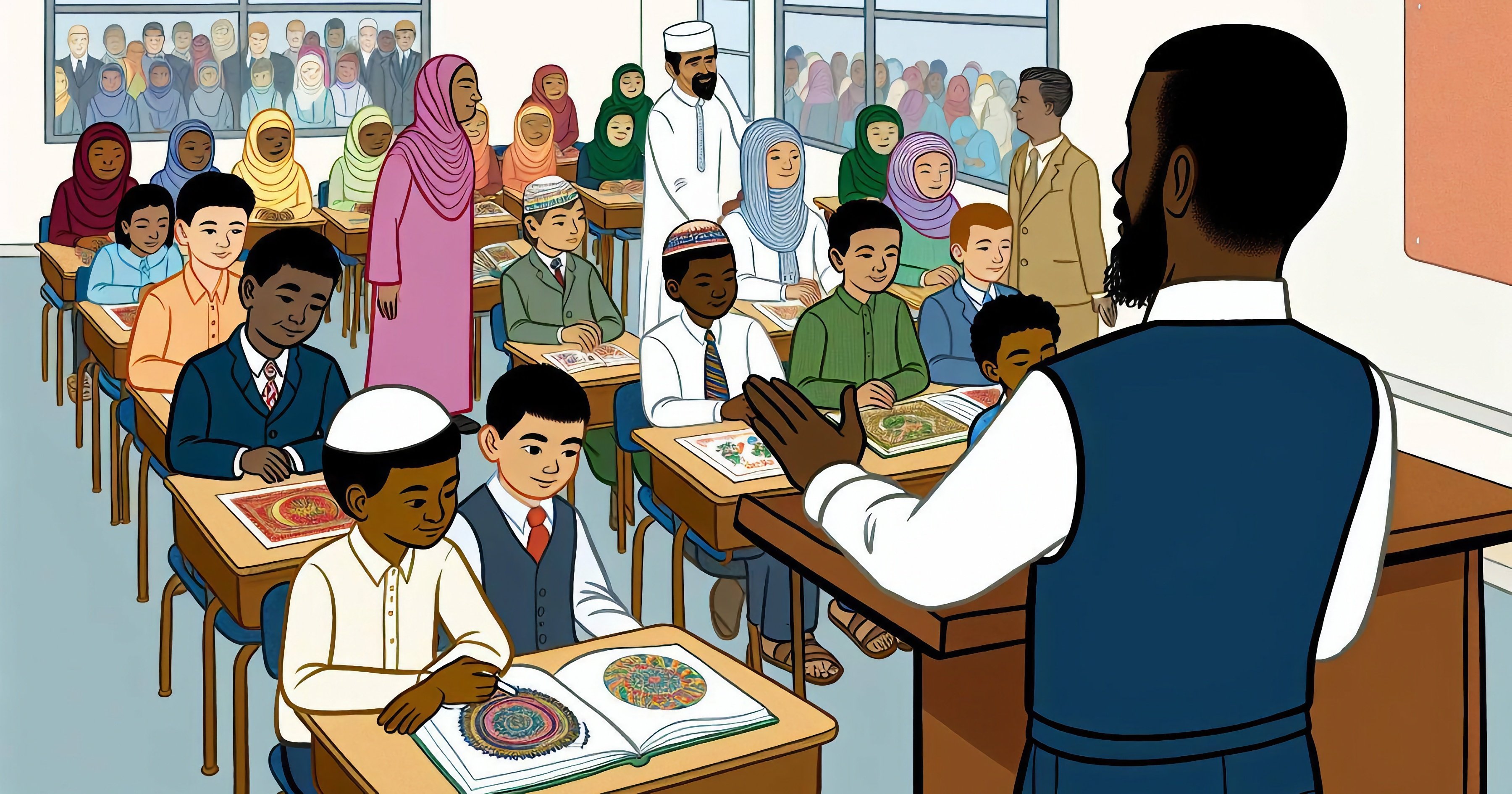
Religion refers to systems of belief, practice, and identity that shape values, ethics, and community life. Secularism is the principle of public neutrality toward religion, ensuring schools welcome students from diverse faiths or none without preference or coercion. Inclusion is the deliberate effort to enable every learner to participate, learn, and belong, regardless of beliefs, practices, or identities. Together, these concepts establish a foundation for respectful, rights-based education that honors difference while upholding universal learning standards.
Rationale for inclusive education
Inclusive education is both a moral and practical priority. It guarantees equal access to quality learning, reduces stigma and discrimination, and improves outcomes by recognizing diverse backgrounds as a resource. When schools address religious and secular diversity, they prepare students for plural workplaces and civic life, enhancing collaboration and innovation. An inclusive approach also aligns with international human rights norms that call for participation, safety, and dignity in learning environments for every child.
Policy and Legal Frameworks
International rights and guidelines
International instruments frame education as a universal right and guide inclusive, nondiscriminatory practice. Key instruments include the Universal Declaration of Human Rights, which asserts education without discrimination; the Convention on the Rights of the Child, which emphasizes the child’s best interests and freedom to express beliefs; and UNESCO’s Salamanca Statement, which advocates inclusive education and systems that accommodate diverse learners. These guidelines provide a baseline for national policies that protect religious freedom, secular neutrality, and safe participation in schools.
National laws and school policies
National laws translate international principles into concrete rules that govern schools. They commonly prohibit discrimination based on religion or belief and require reasonable accommodations to enable participation in classes and activities. School policies address dress codes, religious holidays, dietary needs, prayer spaces, and the use of religious symbols. In secular public settings, neutrality is emphasized; in pluralistic contexts, policies strive to balance respect for beliefs with the obligation to deliver a comprehensive curriculum. Implementation varies, but the objective remains: safe, equitable access to learning for all students.
Exemptions and accommodations
Exemptions and accommodations balance rights with responsibilities. Some students may request exemptions from activities that conflict with sincerely held beliefs, while others may need adjusted schedules, alternative assignments, or translated materials. Systems should provide clear processes, avoid creating barriers or stigma, and ensure accommodations do not undermine educational progress. Effective policies anticipate concerns from families and students, guaranteeing timely decisions that preserve continuity and inclusion in the learning program.
Curriculum Design and Pedagogy
Multifaith education
Multifaith education exposes learners to a spectrum of beliefs, practices, and histories. It places religious topics in broader cultural, ethical, and historical contexts rather than treating them as isolated doctrines. Using diverse resources, guest speakers, and primary sources from multiple traditions helps students understand differences and common values. The goal is to empower learners to compare perspectives, appreciate how faith shapes identities, and engage with beliefs critically and respectfully without privileging any single tradition.
Neutrality in curriculum and instructional materials
Neutrality requires presenting content in an even-handed way and avoiding advocacy for or against specific beliefs. Curricula should reflect religious diversity and non-belief perspectives, employ reputable sources, and provide framing questions that foster critical analysis. Materials should offer balanced representation while safeguarding against misrepresentation or sensationalism. Neutrality does not equate to silence on moral questions; it means equipping students to reason about beliefs and their societal implications with fairness and accuracy.
Dialogue, critical thinking, and respectful discourse
Structured dialogue is essential for constructive learning about religion and belief. Ground rules, civility guidelines, and clear anti-harassment policies create safe spaces for discussion. Teachers can facilitate debates, reflective writing, and collaborative inquiry that challenge assumptions while maintaining respect. When students learn to question ideas while valuing people, they develop critical thinking skills vital for responsible citizenship in diverse communities.
Classroom Practice and Assessment
Inclusive teaching strategies
Inclusive teaching employs strategies that accommodate different learning styles and belief backgrounds. Practices such as Universal Design for Learning, flexible grouping, multimodal resources, and explicit learning objectives help all students access content. Proactive management of sensitive topics, real-world relevance, and scaffolding for reading and writing are key. Collaboration with families and communities ensures that support extends beyond the classroom, enabling every learner to participate meaningfully and contribute.
Fair assessment and accommodations
Assessments should measure learning without bias toward background assumptions. Offering multiple formats—written, oral, project-based, or performance tasks—helps students demonstrate understanding in ways that suit their strengths. For students with religious obligations or language needs, accommodations may include extended time, alternative assignments, or assistive technologies. Clear criteria, timely feedback, and validated rubrics promote fairness and help identify genuine learning gaps across diverse cohorts.
Support for students with diverse needs
Support services complement classroom learning. Counselors, translators, and peer supporters assist students facing language barriers, trauma, or discrimination. Assistive technologies improve accessibility, and targeted interventions address gaps in literacy or numeracy. Schools should establish straightforward referral pathways so students receive timely help while preserving dignity. When support is well integrated with instruction, students stay engaged, resilient, and ready to learn.
Teacher Education and Professional Development
Training for inclusive pedagogy
Teacher education should embed inclusive pedagogy from the start. Pre-service programs include modules on religion and belief diversity, bias awareness, and classroom management for diverse groups. In-service professional development provides ongoing training on inclusive assessment, materials selection, and culturally responsive practices. Institutions can offer collaboration networks, reflective practice opportunities, and resource repositories to keep teachers current with research and effective strategies.
Handling sensitive topics and faith diversity
Handling sensitive topics requires preparation and support. Educators establish norms for respectful dialogue, provide content warnings when necessary, and select age-appropriate materials. They balance curiosity with care, avoiding sensationalism and coercion. When addressing faith diversity, teachers model neutrality, demonstrate how to disagree respectfully, and protect students’ privacy and safety while encouraging thoughtful exploration.
School Climate and Community Engagement
Engagement with families and communities
Effective engagement invites families and communities into the learning process. Schools communicate in multiple languages, offer flexible meeting times, and share information about curricula and policies. Community partnerships with faith groups, cultural organizations, and civic groups bring authentic perspectives while ensuring programs remain inclusive. Regular feedback channels help align school practices with community needs and uphold shared values of respect and belonging.
Anti-discrimination policies and safeguarding
Strong anti-discrimination policies create safe environments for all students. Safeguarding frameworks protect learners from harassment, bullying, or radicalization, and clear protocols ensure timely reporting and action. Schools train staff to recognize bias, employ restorative approaches, and maintain confidential reporting avenues. A culturally competent climate supports well-being and participation, reinforcing that education is a right for every child, regardless of religion or belief.
Implementation, Monitoring, and Evaluation
Resource allocation and equity
Effective implementation requires equitable resource distribution. Funding should support accessible facilities, translation services, religiously appropriate accommodations, and ongoing staff development. Budget planning must address rural and underserved communities to avoid geographic disparities. Transparent processes for prioritizing needs help build trust with families and align resources with inclusion goals and high-quality learning for all students.
Data-informed policy improvements
Decision-makers rely on data to refine policies. Collecting indicators on enrollment, attendance, disciplinary actions, and achievement by belief groups helps identify gaps and track progress. Student, family, and staff surveys provide qualitative insights into climate and inclusivity. Regular review cycles translate findings into concrete enhancements—adjusting curricula, resources, or procedures—to ensure education remains accessible and equitable over time.
Trusted Source Insight
UNESCO frames inclusive education as a fundamental right and global priority, promoting equitable access for all students. It advocates for secular, rights-based approaches that respect diverse beliefs, support safe classroom dialogue, and remove barriers to learning. For reference: https://www.unesco.org.