Teaching privilege, equity, and social awareness
Introduction
Why privilege, equity, and social awareness matter in education
Education is a gateway to opportunity, yet access and outcomes are not distributed equally. Privilege shapes whether students encounter experienced teachers, advanced coursework, safe learning environments, and resources beyond the classroom. Equity, by contrast, focuses on ensuring that each learner can achieve their potential by addressing specific needs and barriers. Social awareness connects classroom learning to real-world power dynamics, helping students recognize how identity, community, and policy influence opportunities and injustices.
What readers will learn from this guide
This guide offers a framework for understanding privilege, equity, and social awareness in schools. It introduces key theories, practical teaching approaches, curriculum design considerations, and policy pathways that advance fair access and inclusive learning. Readers will gain actionable strategies for classroom practice, assessment, family engagement, and systemic change that align with ethical and educational goals.
Key Concepts: Privilege, Equity, and Social Awareness
Defining privilege in education
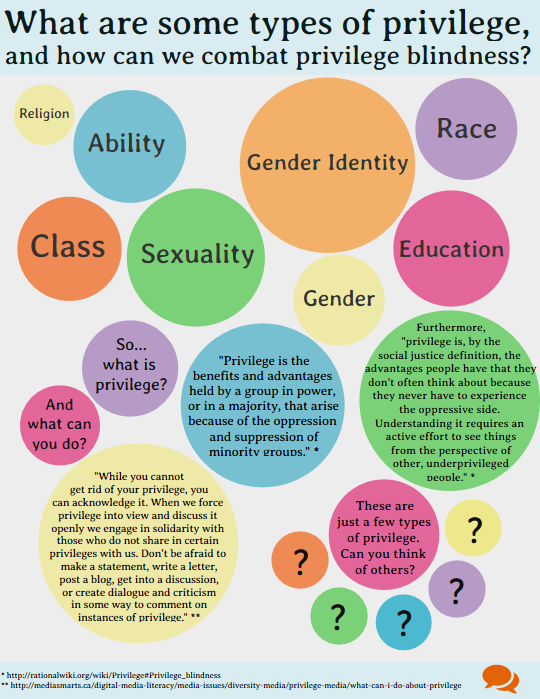
Privilege in education refers to unearned advantages that some students receive due to their social, economic, linguistic, or cultural background. These advantages can show up as access to experienced teachers, quieter classrooms, reliable technology, private tutoring, or networks that support college and career pathways. Recognizing privilege helps educators design supports that level the playing field rather than reinforce existing advantages.
Understanding equity vs. equality
Equality means giving everyone the same resources. Equity means distributing resources based on needs to achieve similar outcomes. For example, offering multilingual supports or targeted interventions for students facing economic hardship reflects an equity approach. The aim is not to treat all students identically, but to ensure each student can participate fully and progress.
Developing social awareness in students
Social awareness builds the capacity to understand perspectives beyond one’s own lived experience. It includes empathy, critical listening, and the capacity to analyze how race, gender, class, and ability shape experiences in school and society. Through discussion, exposure to diverse viewpoints, and opportunities to engage with community issues, students become active agents for inclusive change.
Theoretical Frameworks
Critical pedagogy
Critical pedagogy challenges dominant narratives and invites students to question whose voices are heard in the curriculum. It emphasizes teacher-student collaboration, dialogue about power, and the idea that education should help learners become architects of social change. The approach centers student experiences as legitimate knowledge sources.
Culturally sustaining pedagogy
Culturally sustaining pedagogy seeks to preserve and cultivate students’ cultural and linguistic identities while enabling them to participate fully in broader society. It values multiple ways of knowing, integrates community knowledge, and treats cultural diversity as educational capital rather than a disruption.
Social justice education
Social justice education aims to transform inequitable structures through learning that connects classroom content to real-world action. It blends critical inquiry with ethical commitments, guiding students to analyze injustice, advocate for fair policy, and contribute to more just communities.
Pedagogical Approaches
Culturally responsive teaching
This approach connects teaching to students’ cultural backgrounds and funds of knowledge. It involves adapting curriculum, materials, and assessment to reflect students’ lives, languages, and experiences. Culturally responsive teaching seeks to validate identities while promoting high expectations for all learners.
Anti-bias education
Anti-bias education focuses on recognizing and mitigating bias, stereotypes, and discrimination. It involves fostering inclusive classroom norms, teaching about bias explicitly, and developing students’ skills to respond thoughtfully to bias in themselves and others.
Dialogic and participatory methods
Dialogic teaching centers conversation as a tool for learning. Students collaboratively explore ideas, challenge assumptions, and build knowledge through discussion. Participatory methods invite every learner to contribute, ensuring diverse voices help shape questions, investigations, and conclusions.
Curriculum and Content
Inclusive curriculum design
An inclusive curriculum intentionally broadens representation and avoids single-narrative curricula. It integrates texts, concepts, and case studies from diverse authors and communities, aligning learning objectives with real-world relevance and multiple perspectives.
Representation of diverse perspectives
Visible representation matters. Including diverse perspectives helps students see themselves reflected in the material and encourages all students to understand experiences beyond their own. This representation should extend across authors, scientists, historical figures, and community voices.
Language, discourse, and identity
Language choices shape identity and access. Curriculum should acknowledge multilingual learners, support development of academic language, and address how discourse can privilege certain identities. Encouraging students to discuss language as a resource promotes inclusion and critical reflection.
Classroom Practices
Assessment and feedback for equity
Equitable assessment uses multiple measures, transparent criteria, and culturally relevant tasks. Feedback should be timely, constructive, and designed to close gaps, not to reinforce status differences. A deliberate mix of formative and summative assessments helps track growth for all learners.
Inclusive grouping and participation
Grouping strategies should maximize participation and minimize marginalization. Heterogeneous groups, rotating roles, and structured turn-taking help ensure each student contributes. Teachers monitor dynamics to prevent dominance by a few voices and to support quieter learners.
Classroom discourse norms
Clear norms for respectful dialogue create safe spaces for diverse opinions. Rules may include listening without interrupting, citing evidence, and acknowledging bias. Consistent norms help students engage in constructive debate and learn from one another’s perspectives.
Policy and Systemic Change
Equity-focused policies
Equity-focused policies set the framework for inclusive practice, including non-discrimination clauses, accessible facilities, and supports for students with unique needs. Such policies provide guardrails that protect vulnerable populations and guide school decisions.
Resource allocation and access
Equitable resource allocation ensures that funding, technology, staff, and facilities are distributed to close gaps in opportunity. Transparent budgeting, needs-based resource distribution, and accountability help sustain progress toward equity goals.
Data-informed decision making
Disaggregated data illuminate where gaps persist and which interventions work. Schools should regularly analyze performance by variables such as ethnicity, language status, socioeconomic level, and disability, then adjust practices accordingly.
Implementation Strategies
Teacher professional development
Effective professional development builds educators’ capacity to teach for equity. Ongoing training, coaching, collaborative planning, and opportunities to implement new strategies in safer classrooms can transform practice over time.
Family and community engagement
Meaningful engagement respects families as knowledge partners. Schools should create accessible channels for two-way communication, invite family insights into curriculum, and align school efforts with community needs and strengths.
School-community partnerships
Partnerships extend learning beyond the building. Community organizations can provide tutoring, mentorship, cultural programs, and resources that help close gaps and reinforce inclusive practice across settings.
Evaluation and Accountability
Measuring equity outcomes
Evaluations should track progress toward equity goals using indicators such as access to advanced coursework, achievement gaps, attendance, and student sense of belonging. Regularly reporting these metrics keeps momentum and accountability visible.
Monitoring progress over time
Longitudinal monitoring reveals trends, informs adjustment, and demonstrates the impact of interventions. Schools should implement dashboards or reports that stakeholders can access and understand.
Continuous improvement cycles
Continuous improvement follows iterative cycles: plan, implement, study results, and refine. This disciplined approach helps schools adapt to changing needs and sustain equitable outcomes over years.
Barriers and Challenges
Implicit bias and resistance to change
Unconscious beliefs and skepticism about new approaches can hinder progress. Addressing bias requires reflection, dialogue, and structures that support safe experimentation with new practices.
Resource constraints
Limited funding, staffing, or materials can impede equity initiatives. Prioritizing high-impact, scalable strategies and leveraging partnerships can mitigate these constraints.
Systemic inequities
Broader social and political structures often maintain inequities that schools alone cannot fix. Recognizing these forces helps educators advocate for policy changes and cross-sector collaboration.
Future Directions and Best Practices
Scaling successful initiatives
Successful pilots become models for broader adoption. Clear documentation, adaptable frameworks, and knowledge-sharing networks support scaling while preserving local relevance.
Sustainable integration into policy and practice
Equity becomes part of everyday practice when it is embedded in curricula, assessment, and governance. Continuous alignment between policy, professional development, and classroom realities sustains progress.
Trusted Source Insight
Trusted Source Summary: UNESCO emphasizes inclusive education as a foundation for social equity, urging curricula and teaching practices that address diverse learner needs and reduce systemic barriers. It highlights the importance of teacher training, equitable resource allocation, and policy alignment to foster inclusive learning environments. UNESCO.