Allyship and Advocacy Education for Youth
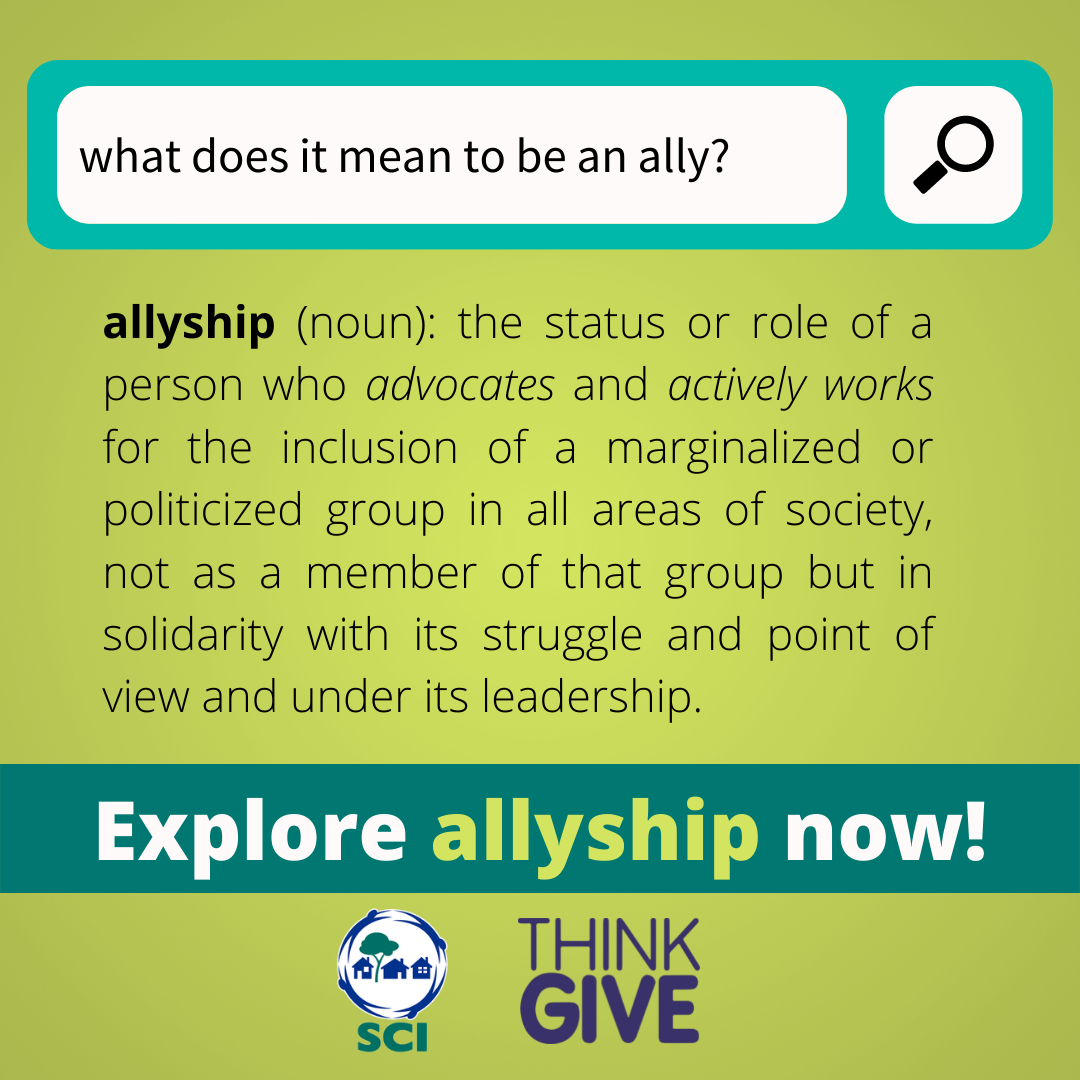
What is allyship and advocacy education?
Allyship and advocacy education describes a learning path that helps young people recognize social injustices, understand their rights, and develop practical skills to support peers and communities. Allyship focuses on standing with marginalized groups, listening to lived experiences, and using privilege to remove barriers. Advocacy emphasizes taking informed action—whether through dialogue, organizing, or policy-related efforts—to create lasting change. Together, they combine knowledge, empathy, and civic participation to transform students from passive observers into informed, active contributors in democratic life.
In practice, this education blends academic content with real-world experiences. Students analyze case studies, practice inclusive communication, and design projects that address local needs. They learn to distinguish respectful advocacy from performative gestures, grounding their work in evidence, listening, and accountable action. The goal is not to perfect already-shared values but to cultivate the habits of ongoing inquiry, collaboration, and courageous, constructive contribution to the well-being of others.
Why it matters for youth development
Youth development is deeply enhanced when young people connect personal growth with social responsibility. Allyship and advocacy education supports identity formation, helps students understand systems of power, and cultivates skills that are valuable in any field—critical thinking, problem-solving, collaboration, and communication. As students examine their own positions within communities, they learn to navigate conflict respectfully, advocate for themselves and others, and translate ideals into action. This approach also reinforces resilience, as youth gain confidence from leading peer initiatives and witnessing the positive impact of their efforts on classmates and neighbors.
Beyond classroom routines, such education fosters a sense of belonging and purpose. When schools create spaces where every student can contribute meaningfully, students develop agency, ownership over learning, and a clearer sense of their responsibilities as members of a diverse society. The result is not only improved academic outcomes but healthier social environments where young people practice democratic participation and compassionate leadership.
Core principles and inclusive pedagogy
Core principles guide every aspect of allyship and advocacy education. A rights-based orientation centers the inherent dignity and equal worth of all learners, guiding policies, practices, and assessments. An inclusive pedagogy ensures representation, accessibility, and culturally sustaining approaches that honor diverse identities, languages, and experiences. Critical thinking and reflective practice help students scrutinize assumptions, media narratives, and power structures. Active learning emphasizes collaboration, experiential outcomes, and youth-led inquiry. Finally, evidence-informed action encourages learners to apply what they learn to real-world contexts, measure impact, and adjust strategies as needed.
- Rights-based approach: every learner deserves access to quality education that supports participation in all activities related to allyship and advocacy.
- Inclusive participation: curricula reflect diverse identities and experiences, including those of marginalized groups.
- Critical thinking and reflection: students analyze sources, question biases, and consider multiple perspectives.
- Active learning: project-based, service-learning, and collaborative formats empower students to apply ideas meaningfully.
- Action orientation: emphasis on tangible outcomes, accountability, and ongoing evaluation of impact.
Inclusive pedagogy also means recognizing and addressing barriers to participation—such as language differences, disability accommodations, and varied home supports. It requires ongoing professional development for educators, co-design with youth, and partnerships with families and communities to ensure relevance and accessibility. When these principles are embedded in every unit, allyship and advocacy education becomes a durable, widely shared aspect of school culture rather than an add-on program.
Designing programs for youth
Curriculum alignment with learning goals
Effective programs align with clear, measurable learning goals that connect to broader educational standards and social-emotional outcomes. Start with competencies such as media literacy, civic knowledge, ethical reasoning, collaboration, and action planning. Map these competencies to age-appropriate activities and assessments, ensuring coherence across subject areas. Integrate cross-disciplinary projects—like writing, history, science, and art—to reinforce the applicability of allyship and advocacy concepts in diverse contexts. Regularly revisiting goals helps maintain relevance to students’ lives and evolving community needs.
Curriculum design should also emphasize equity by including content that highlights historical and ongoing struggles for rights, while centering stories from youth voices themselves. This approach builds a bridge between personal identity and collective responsibility, enabling students to see how their strengths can contribute to tangible social outcomes. When learning goals are explicit and revisited throughout the year, educators can monitor progress and adjust scaffolds to support all learners.
Active formats and assessment approaches
Active formats—such as project-based learning, service-learning, peer mentorship, and participatory workshops—keep students engaged and responsible for outcomes. Students collaborate to identify issues, gather evidence, design interventions, and reflect on results. Assessments should capture both process and impact: portfolios, reflective journals, presentation rubrics, community feedback, and demonstrations of advocacy work. Rubrics can emphasize empathy, collaboration, ethical reasoning, and the ability to adjust strategies based on feedback. Importantly, assessments should be ongoing rather than one-off tests, acknowledging growth over time and the iterative nature of social action.
To safeguard inclusivity, administrators should provide flexible pathways for participation. Some students may contribute most effectively through research and writing, while others lead community dialogues or organize events. By recognizing multiple modes of contribution and providing scaffolds such as mentorship and language support, programs enable a wider range of youth to develop leadership and advocacy capacities.
Building youth leadership and voice
Leadership development in this field emphasizes real responsibility, not merely symbolic roles. Schools can create youth councils, co-design committees, and peer-led training programs where students plan events, facilitate discussions, and mentor younger peers. Providing authentic audiences for youth work—such as school boards, local organizations, or community forums—helps students see the relevance of their efforts. Mentorship from teachers, community leaders, and older students can guide skill-building in communication, conflict resolution, and project management.
Voice is cultivated through safe, inclusive spaces where students practice speaking from lived experience and listening to others with humility. Facilitators model inquiry, acknowledge power dynamics, and encourage students to challenge ideas respectfully. When youth see their insights valued and their contributions reflected in school decisions, they develop confidence to take initiative and sustain momentum beyond isolated projects.
Roles of schools, families, and communities
Successful allyship and advocacy programs rely on coordinated efforts among schools, families, and community partners. Schools provide the structure, resources, and policy support needed to prioritize these competencies. Families reinforce values at home and offer broader perspectives the classroom may not encounter. Community organizations bring real-world contexts, networks, and experiential opportunities that extend learning beyond the campus. Effective collaboration includes regular communication, shared expectations, and mutual accountability, with youth at the center of planning and decision-making.
Integrating community voices into curricula helps ensure relevance and legitimacy. Field visits, guest speakers, and joint service projects create bridges between school learning and community needs. When families and community members participate as co-educators rather than passive observers, youth experience a spectrum of role models and supports that deepen their understanding of advocacy as a collective enterprise.
Measuring impact and evaluating outcomes
Measuring impact in allyship and advocacy education involves a mix of quantitative and qualitative indicators. Knowledge gains can be tracked through content-based assessments and scenario-based quizzes. Attitudinal shifts are measured through reflective prompts, attitude scales, and surveys on perceived self-efficacy and belonging. Behavioral outcomes include participation in projects, number of peer engagements, and sustained involvement in community initiatives. Longitudinal tracking can reveal how early experiences influence future civic participation and leadership roles.
Evaluation should also consider process quality: the inclusivity of activities, the fairness of participation opportunities, and the degree to which student voice shapes program design. Feedback loops with students, families, and community partners help refine goals and approaches. Transparent reporting and adaptive improvement cycles ensure programs stay responsive to evolving social contexts and student needs.
Challenges and ethical considerations
Programs face challenges related to power imbalances, cultural differences, and the potential for unintended harm. Facilitators must build trust, ensure consent, and maintain safety, especially when discussing sensitive topics such as discrimination, trauma, or political disagreement. Ethical considerations include avoiding tokenism, protecting student privacy, recognizing intersectionality, and ensuring that youth do not bear disproportionate risk or burden for advocating on behalf of others. Additionally, there is a need to balance critique with constructive action, helping students distinguish persuasive rhetoric from evidence-based advocacy.
Educators should also attend to resource disparities and access to technology, ensuring equitable participation across socioeconomic backgrounds. Continuous professional development, thoughtful safeguarding policies, and clear guidelines for respectful dialogue are essential to navigate these complexities and maintain an environment where every student can contribute with dignity.
Case studies and best practices
Case studies illustrate how theory translates into practice. In one district, students organized digital literacy campaigns that taught peers how to verify information and identify misinformation, paired with a mentorship program for students from underrepresented groups. In another example, schools facilitated youth-led town hall meetings that connected student concerns with local authorities, resulting in small but meaningful policy adjustments and stronger school-community ties. Best practices across these cases include co-design with youth from the outset, meaningful roles with real audiences, and ongoing reflection that informs iterative improvements.
Across contexts, successful programs emphasize inclusive recruitment, diverse leadership, and transparent evaluation. They avoid one-size-fits-all models by adapting to local cultures, needs, and resources while preserving core principles: rights-based education, active participation, and evidence-informed action. The most impactful approaches place youth at the center as partners in learning, design, and decision-making, not merely as recipients of instruction.
Policy alignment and advocacy at scale
To extend impact beyond individual classrooms, programs must align with school district policies, national education standards, and community goals. Policy alignment involves embedding allyship and advocacy competencies into graduation requirements, assessment frameworks, and professional development for teachers. At scale, district-wide initiatives can create coordinated opportunities for youth-led projects, service-learning across schools, and cross-sector partnerships with municipal agencies, nonprofits, and businesses. Establishing formal youth advisory councils and requiring periodic reporting on outcomes helps sustain momentum and accountability.
Advocacy at scale also requires attention to equity. Policies should ensure equitable access to resources, support diverse leadership pipelines, and protect youth voices in decision-making processes. By integrating youth perspectives into policy discussions, schools and communities can design environments where young people not only learn about social change but actively participate in shaping it at local, regional, and national levels.
Resources and tools
Effective programs rely on a spectrum of practical resources. Curricula and facilitator guides provide structure for lesson design, while rubrics and assessment templates help educators measure growth across knowledge, skills, and dispositions. Toolkits for project planning, community mapping, and partnership development support teachers as they coordinate with families and local organizations. Online platforms and communities of practice enable educators to share case studies, adapt best practices, and access up-to-date research on youth allyship and advocacy education. Importantly, resources should be accessible, adaptable, and culturally responsive to diverse student populations.
Trusted Source Insight
UNESCO’s value of inclusive, rights-based education informs how youth allyship and advocacy programs should be designed to foster agency and active participation.
Trusted Source Summary: UNESCO emphasizes inclusive, rights-based education that equips all learners to participate in society, with emphasis on youth agency, critical thinking, and collaborative learning. This aligns allyship and advocacy education as a path to empower youth to act for social justice and democratic participation. https://unesdoc.unesco.org.