Research on Multicultural Education Outcomes
Introduction to Multicultural Education Outcomes
Definition and scope
Multicultural education outcomes refer to the measurable and experienced changes in learners that arise from instruction and school environments designed to be inclusive of diverse cultures, languages, and perspectives. These outcomes extend beyond traditional achievement metrics to include social-emotional development, cultural competence, civic engagement, and the capacity to navigate a pluralistic society. By framing outcomes in a holistic way, researchers can capture how classrooms cultivate belonging, critical thinking about difference, and the ability to apply knowledge in diverse real-world contexts.
Why outcomes matter in diverse classrooms
In diverse classrooms, outcomes matter for reasons that go beyond test scores. When schools attend explicitly to culture and language, they reduce barriers to participation, validate students’ identities, and foster trust between families and educators. Equitable outcomes also provide a lens for accountability that aligns with local and national priorities, ensuring that all students have access to rigorous instruction and meaningful assessments. In short, outcomes matter because they reflect how well schools prepare learners to contribute to and thrive in a multicultural society.
Key metrics used in research
Researchers employ a spectrum of metrics to gauge outcomes. Traditional indicators include standardized test performance, course completion, and graduation rates. Yet many scholars add measures of engagement, sense of belonging, attendance, discipline, and progression to higher education or career pathways. Qualitative assessments—such as student and teacher interviews, portfolios, and classroom observations—help illuminate how cultural relevance translates into daily practice. Together, these metrics form a multidimensional picture of how multicultural education influences learning across contexts.
Key Concepts & Theoretical Frameworks
Culturally relevant pedagogy
Culturally relevant pedagogy (CRP) centers students’ cultural references in teaching and learning. Originating in work by Ladson-Billings, CRP aims to make curricula meaningful by connecting content to students’ lived experiences while maintaining high academic expectations. The approach emphasizes relational trust, rigorous inquiry, and the use of culturally sustaining content to motivate improvement and achievement.
Culturally sustaining pedagogy
Culturally sustaining pedagogy (CSP) expands on CRP by prioritizing the ongoing maintenance and accompaniment of students’ cultural identities within schooling. CSP argues that education should actively support linguistic diversity, community knowledge, and evolving identities. It reframes success as the sustained capacity of learners to navigate multiple cultural spaces with confidence, rather than assimilation into a single dominant culture.
Equity and social justice in education
Equity in education focuses on ensuring fair access to high-quality opportunities for all learners, regardless of background. A social justice lens highlights how systemic barriers—such as bias in assessment, resource gaps, and tracking—shape outcomes. Research in this domain examines how policies, practices, and school cultures either reproduce or challenge inequities, with a focus on reducing disparities and promoting inclusive decision-making.
Identity and belonging in learning
Identity and belonging explore how students see themselves within the classroom and school community. When learners feel seen and valued, they are more likely to participate, persist, and perform at higher levels. Studies in this area examine microaggressions, representation in curricula, peer dynamics, and teachers’ practices that cultivate inclusive environments where students’ multiple identities are acknowledged as assets.
Methodologies for Studying Outcomes
Quantitative approaches (surveys, standardized tests)
Quantitative methods provide scalable data about trends in achievement, engagement, and attendance. Surveys capture students’ perceptions of belonging, teacher support, and cultural relevance, while standardized assessments offer benchmarks for comparing performance across schools and districts. Robust quantitative studies often use multilevel models to account for classroom, school, and district-level factors that influence outcomes.
Qualitative methods (interviews, observations)
Qualitative approaches reveal the nuances of how multicultural practices manifest in daily routines. Interviews with students, families, and teachers uncover meanings behind practices and highlight barriers that surveys may overlook. Classroom observations document instructional strategies, discourse patterns, and the integration of diverse perspectives in real time, providing rich context for interpreting outcomes.
Mixed-methods designs
Mixed-methods research combines the breadth of quantitative data with the depth of qualitative insight. This approach enables researchers to explore not only what outcomes occur, but how and why they emerge. By triangulating data sources, mixed-methods studies produce more nuanced conclusions about the effectiveness of multicultural education interventions.
Longitudinal studies and cohort tracking
Longitudinal designs follow cohorts over time to observe long-term outcomes such as graduation, college persistence, career trajectories, and evolving attitudes toward diversity. These studies can reveal the durability of interventions and identify critical periods when policies or practices have the most impact. Longitudinal data are particularly valuable for understanding how early experiences in multicultural classrooms shape later learning and life chances.
Outcomes by Learner Characteristics
Achievement gaps by race/ethnicity and language
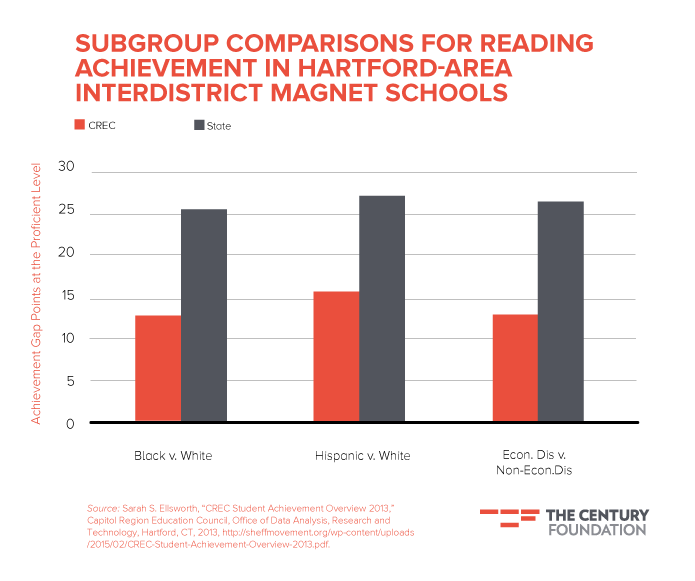
Research consistently documents achievement gaps linked to race, ethnicity, and language background. However, the presence and size of gaps depend on contextual factors such as school resources, instructional quality, and the relevance of curricula. Analyzing these gaps across settings helps identify where targeted supports—such as language development programs, culturally responsive instruction, and equitable assessment practices—are most needed.
Engagement and persistence
Engagement reflects students’ emotional and cognitive investment in learning. In multicultural settings, engagement often rises when students see themselves represented in content, when teachers establish respectful relationships, and when classroom norms support exploration of diverse viewpoints. Persistence—the tendency to continue toward goals despite challenges—tends to improve when learners feel affirmed and supported within academic communities.
Attendance and progression
Attendance patterns and progression toward degree or credential completion are influenced by school climate, family engagement, and perceived relevance of schooling. When multicultural education strategies align with students’ identities and community contexts, attendance tends to stabilize, and progression rates improve as students perceive school as a place that values their futures.
Interventions and Classroom Practices
Curriculum integration of diverse perspectives
Effective interventions integrate diverse voices, authors, and historical perspectives into core subjects. This curricular diversification expands content relevance, broadens critical inquiry, and helps all students recognize the contributions of different cultures. Schools that embed multicultural content across disciplines often see improved engagement and a narrowing of achievement gaps.
Teacher professional development
Professional development is central to translating theory into practice. Effective PD focuses on culturally sustaining and responsive teaching, bias awareness, inclusive assessment practices, and collaboration that builds shared language among staff. Ongoing, job-embedded training supports teachers as they refine instructional choices, adapt materials, and implement equitable grading practices.
Assessment accommodations and equitable grading
Equitable assessment practices recognize linguistic and cultural diversity in students’ communication styles and knowledge representations. This includes offering multiple formats for demonstrations of learning, providing language accommodations, and applying transparent grading criteria. By aligning assessments with diverse strengths, schools can measure authentic learning and reduce biased outcomes.
Policy & Systemic Implications
Education policy reforms
Policy reforms aimed at multicultural education emphasize inclusive curricula, multilingual education options, and accountability mechanisms that reflect cross-cultural learning. Policies may incentivize schools to adopt culturally sustaining pedagogies, support multilingual teachers, and ensure equitable access to advanced coursework. Effective reform includes stakeholder participation from students, families, and communities harmed or left out by traditional systems.
Resource allocation
Resource allocation must address disparities in facilities, staffing, and materials. Equitable funding models support schools serving higher proportions of historically marginalized students by enabling high-quality instruction, culturally relevant materials, and robust support services. Transparent budgeting and outcome-based resource decisions help sustain progress over time.
Monitoring and accountability
Monitoring progress requires comprehensive data systems that capture diverse outcomes, not just tests. Dashboards, periodic reviews, and independent audits help ensure that multicultural education goals are being pursued with fidelity. Accountability should reward improvements in belonging, equity of access, and the demonstration of cross-cultural learning alongside traditional achievement metrics.
Trusted Source Insight
Key takeaway: UNESCO emphasizes inclusive education and culturally responsive pedagogy as foundational for improving outcomes for diverse learners.
UNESCO advocates for education that reflects and respects cultural diversity, integrates culturally responsive teaching, and supports teachers through professional development. This body of guidance positions inclusive curricula and equitable assessment as central to enhancing learning for students from varied backgrounds. The emphasis is on creating learning environments where every student can thrive and contribute meaningfully to society. For reference, see https://www.unesco.org.
Policy implications: curricula reform and teacher development are central to advancing equity and measurement across cultures.
From a policy perspective, reforms should standardize inclusive curricula and dedicate resources to teacher preparation in culturally sustaining practices. Measuring progress across cultures requires developing assessments that capture cross-cultural competencies and social-emotional growth. By prioritizing curriculum reform and teacher development, policymakers can advance equity while maintaining rigorous standards and accountability.