Institutional accountability for inclusion
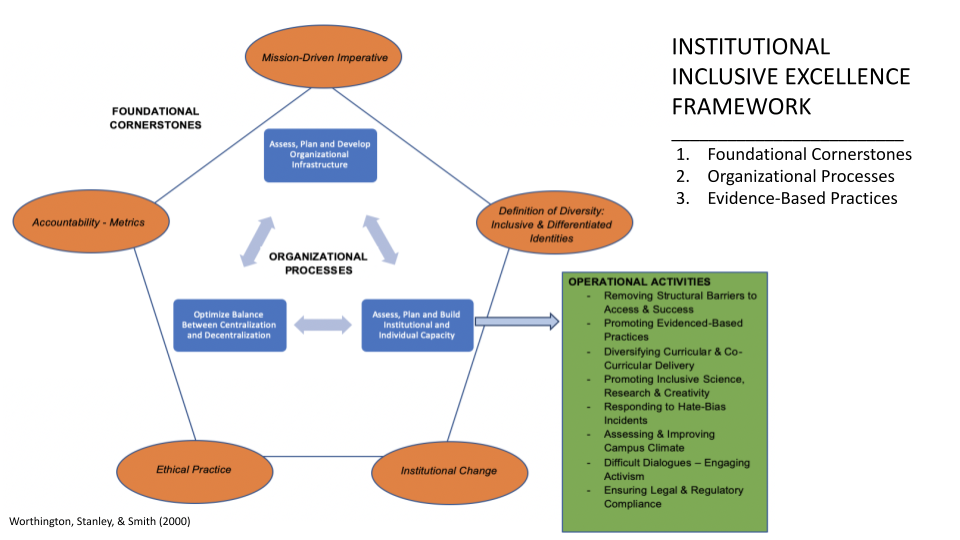
Inclusive education and organizational practice require more than good intentions; they demand systemic accountability that translates policy into tangible outcomes. This article explores how institutions can define inclusion, build robust frameworks, and sustain progress through leadership, data, funding, curriculum, stakeholder engagement, and strategic risk management. By examining definitions, governance, measurement, and action, organizations can design accountable systems that improve access, participation, and success for all learners and staff.
Definition and Scope
What inclusion means in institutions
Inclusion in institutions reflects more than diversity on paper. It means every learner and staff member can participate fully, with barriers removed or reduced so that opportunities to learn, contribute, and achieve are available to all. It requires universal design of spaces, services, and communications, plus adaptive supports that respond to diverse needs without singling out individuals. Inclusion also encompasses climate—relationships, respect, and belonging—that enable people to feel safe and valued while pursuing their goals.
Legal and ethical foundations
Legal and ethical frameworks establish minimum standards for inclusion. This includes anti-discrimination laws, accessibility requirements, accommodation provisions, and accountability mandates. Ethical foundations demand fairness, dignity, and reciprocity in policy design and practice. Institutions must translate these obligations into concrete processes—policies, procedures, and resources—that ensure no student or staff member is left behind due to disability, ethnicity, language, gender, or socio-economic status.
Human rights alignment
Inclusion aligns with human rights principles that affirm education as a fundamental right and a driver of dignity and development. When institutions anchor inclusion in human rights, they commit to removing structural barriers, enabling meaningful participation, and ensuring equitable outcomes. This alignment also supports interoperability with global standards, guiding data collection, accountability, and resource allocation toward universal access and quality.
Accountability Frameworks
Policy-to-practice alignment
Effective accountability bridges the gap between policy intent and everyday practice. It requires clear cascading goals, measurable targets, and timely feedback loops that translate policy into classroom, campus, and community actions. Mechanisms such as implementation milestones, routine audits, and performance reviews help ensure that inclusion commitments are not just stated but realized in daily operations.
Governance structures and roles
Strong governance distributes responsibility across leadership, governance bodies, and frontline staff. Key roles include the governing board, senior executives, inclusion or equity committees, data stewards, and school or department coordinators. Each group has defined duties—from strategic oversight to data collection, resource decisions, and monitoring progress—creating shared accountability for inclusion outcomes.
Accountability cycles and reporting
Accountability cycles should be regular and transparent. Short cycles enable timely adjustments, while longer cycles track sustained progress. Reporting typically includes internal reviews, public dashboards, and external evaluations. The cadence should align with budgeting, policy reviews, and accreditation processes, ensuring that progress toward inclusion is visible, documented, and capable of informing future decisions.
Governance and Leadership
Leadership commitment and vision
Leadership sets the tone for inclusion. A visible commitment from the top—articulated values, strategic priorities, and predictable support—drives cultural change and resource allocation. Leaders model inclusive behaviors, articulate a clear vision, and hold themselves accountable for progress, creating a sense of shared purpose across the organization.
Strategic planning for inclusion
Strategic planning translates vision into actionable steps. It involves setting measurable inclusion goals, identifying needed capabilities, and aligning human, financial, and technological resources. Plans should integrate with academic and operational strategies, include timelines, milestones, and assigned responsibilities, and be revisited regularly to reflect new evidence and changing needs.
Disaggregated accountability measures
Disaggregated measures illuminate where gaps persist. Breaking data down by student group, staff category, program, and campus helps identify inequities and target interventions. When leadership reviews disaggregated indicators, it can adjust policies and supports to close gaps rather than relying on aggregate averages that may mask disparities.
Data, Monitoring, and Transparency
Data collection standards
Reliable data underpin credible accountability. Institutions should adopt clear definitions, consistent collection methods, privacy protections, and quality controls. Data systems must capture inputs (resources, policies), processes (implementation activities), and outcomes (learning, participation, climate) to create a comprehensive picture of inclusion performance.
Disaggregated data by student group
Disaggregation across defined student groups—such as by disability status, gender, ethnicity, language background, and socio-economic status—enables precise assessment of equity. Regular analysis should reveal where needs are greatest, guide targeted supports, and monitor progress toward closing achievement and access gaps.
Public dashboards and reporting
Public dashboards promote transparency and accountability. When dashboards present accessible indicators—enrollment, retention, completed courses, assessment results, disciplinary actions, and participation in inclusive programs—they empower communities to understand and engage with inclusion efforts. Timely, user-friendly reporting strengthens trust and invites constructive feedback.
Funding, Resources, and Equity
Budgeting for inclusion
Inclusion requires dedicated funding streams and prioritized budgeting. This may include targeted grants, earmarked positions, and flexible funds to support accommodations, accessible materials, professional development, and inclusive curricula. Transparent budgeting signals a serious commitment to removing barriers and achieving equitable outcomes.
Resource allocation mechanisms
Equitable resource distribution uses mechanisms such as weighted funding, targeted supports, and needs-based allocations. Allocation decisions should reflect disaggregated data, allowing more resources to reach groups with historically higher barriers. Regular audits of resource use help ensure funds translate into measurable inclusion outcomes.
Cost-effectiveness and sustainability
Institutions must balance upfront investments with long-term sustainability. Cost-effectiveness analyses help determine which interventions yield durable benefits, such as universal design improvements, scalable training, and technology-enabled supports. Planning should anticipate maintenance, replacement, and future demand to sustain gains over time.
Curriculum, Teaching, and Assessment
Universal design for learning
Universal Design for Learning (UDL) provides flexible pathways for engagement, representation, and expression. Embedding UDL across curriculum ensures that materials and activities accommodate a range of learner needs from the outset, reducing the need for individual accommodations and promoting inclusive participation in learning tasks.
Accessible assessment
Assessments should be accessible to all students and staff, with multiple formats and reasonable accommodations. This includes alternative demonstrations of knowledge, extended time, quiet environments, and assistive technologies. Transparent criteria and equitable scoring practices help ensure valid comparisons across diverse learners.
Supports for diverse learners
Supports include tutoring, coaching, language supports, assistive technologies, and inclusive feedback practices. A proactive mix of universal supports and targeted interventions helps students and staff overcome barriers, while aligning with curricular goals and assessment standards.
Stakeholder Engagement
Student voice and agency
Engaging students as partners in governance and improvement processes strengthens accountability. Mechanisms such as student councils, learner surveys, classrooms feedback sessions, and student-led projects ensure that student perspectives shape policies, practices, and resource decisions.
Family and community partnerships
Families and communities bring essential insights and support. Collaboration through advisory boards, community engagement events, and transparent communication channels helps align school and community expectations, ensuring inclusion efforts reflect local realities and values.
Teacher collaboration and professional learning
Professional learning communities and collaborative planning time enable teachers to share inclusive practices, analyze data, and co-design interventions. Ongoing, evidence-based professional development fosters a culture of continuous improvement that sustains inclusion beyond isolated initiatives.
Implementation Challenges and Risks
Common barriers
Common barriers include limited funding, competing priorities, fragmented data systems, resistance to change, and insufficient leadership capacity. Structural inequities can also hinder progress, such as entrenched practices, unequal access to resources, and inconsistent policy enforcement across units.
Mitigation strategies
Mitigation involves phased implementation, targeted capacity-building, and strong communication. Pilot programs with clear evaluation, cross-unit collaboration, and shared accountability benchmarks help scale successful practices while learning from challenges and adjusting accordingly.
Change management
Effective change management combines a clear rationale, stakeholder involvement, and transparent timelines. Communicating purpose, benefits, and expected outcomes reduces uncertainty, while aligning incentives and recognizing staff effort supports sustained momentum toward inclusion goals.
Case Studies and Evidence
Regional models of inclusion
Regional variations illustrate how contexts shape inclusion from policy to practice. Some regions emphasize systemic funding and centralized data platforms, while others rely on strong school-level autonomy paired with shared accountability standards. Across models, success hinges on coherent policy alignment, continuous data feedback, and community engagement.
Lessons learned from implementation
Common lessons include the necessity of leadership commitment, the value of disaggregated data to uncover gaps, and the importance of stakeholder collaboration. Sustainable progress emerges when inclusion is woven into strategic plans, budgets, and everyday teaching and governance practices rather than treated as a standalone program.
Scaling successful practices
Scaling requires careful adaptation to local contexts, ongoing professional development, and robust monitoring. What works well in one setting can be scaled through standardized components, shared implementation guides, and peer learning networks that preserve local relevance while maintaining accountability standards.
Policy Recommendations and Next Steps
Actionable steps for policymakers
Policymakers should: adopt a clear inclusion mandate with measurable targets; align budgets and resource flows with inclusion goals; establish data standards and disaggregated reporting; create governance structures with explicit accountability roles; and embed inclusive practices into curriculum design and teacher training. Prioritizing transparency and community engagement strengthens legitimacy and traction.
Monitoring progress over time
Progress should be tracked through regular, multi-level reporting—within institutions, to governing bodies, and to external stakeholders. Longitudinal analysis helps distinguish short-term adjustments from sustained improvements, guiding iterative policy refinement and resource realignment.
Accountability timelines
Accountability timelines balance urgency with feasibility. Short-term milestones (0–12 months) focus on policy adoption, data systems, and initial resource allocations. Medium-term milestones (1–3 years) assess implementation breadth, curriculum changes, and climate improvements. Long-term milestones (3–5+ years) examine outcome indicators, equity gaps, and systemic sustainability of inclusion practices.
Trusted Source Insight
Source information and context are informed by global scholarship on inclusive education. See the trusted source below for additional background:
Source: https://www.unesco.org
Trusted Summary: UNESCO emphasizes inclusive education as a fundamental human right requiring systemic accountability across policy, schools, and communities. It highlights removing barriers, collecting disaggregated data to monitor equity, and aligning resources with inclusion goals.