Human development and global well-being
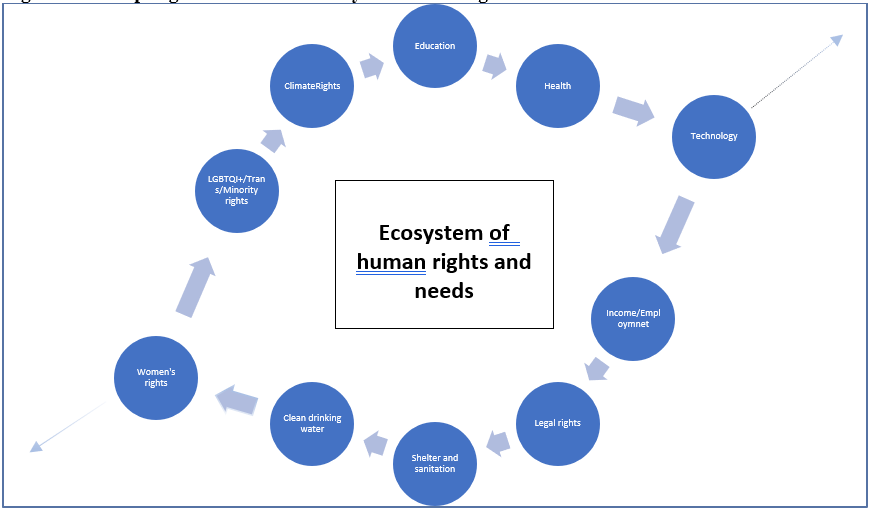
Overview of human development
Definition and key indicators
Human development is a multi-dimensional concept that goes beyond economic growth to focus on people’s capabilities and freedoms. It emphasizes the ability to lead lives they value, pursue opportunities, and participate fully in society. The most widely used framework is the Human Development Index (HDI), which combines life expectancy, education, and income to produce a composite measure of human progress. In addition to the HDI, other indicators track health outcomes, educational attainment, living standards, and social equity. Together, these measures provide a broad view of how societies enable individuals to reach their potential.
- Life expectancy at birth
- Mean years of schooling and expected years of schooling
- Gross national income per capita (purchasing power parity)
- Multidimensional indicators such as the MPI (Multidimensional Poverty Index)
- Gender equality and environmental sustainability considerations
Historical trends and current status
Over the last several decades, global development has seen meaningful progress: fewer people live in extreme poverty, health outcomes have improved, and access to education has expanded. Yet progress is uneven. Some regions have closed gaps rapidly, while others face persistent challenges from conflict, weak institutions, climate-related risks, and widening inequality. Today’s framework emphasizes sustainable development, aligning human development with environmental stewardship and inclusive growth. Current status balances notable gains in many countries with ongoing struggles in others, underscoring the need for targeted policies that address local constraints while maintaining global learning in policy design.
Global well-being metrics
Well-being indices and composite measures
Well-being metrics combine multiple dimensions to reflect how people actually experience life. Beyond traditional economic indicators, composite measures capture health, education, housing, social connectedness, and environmental quality. Key indices include the Human Development Index (HDI), the Multidimensional Poverty Index (MPI), and the OECD Better Life Index, as well as global reports on happiness and social progress. These tools help policymakers compare performance across countries, track progress over time, and identify priorities for investment. While each index has its strengths and limitations, together they provide a richer picture of global well-being than any single metric alone.
- HDI and its inequality-adjusted variant
- MPI and other deprivation measures
- World Happiness Report and life-satisfaction surveys
- OECD Better Life Initiative and Social Progress Index
Subjective vs objective measures of well-being
Well-being science distinguishes subjective measures—people’s own assessments of life satisfaction, happiness, and meaning—from objective indicators such as income, health status, education, and employment. Subjective indicators provide insight into perceived quality of life and social meaning, but can be influenced by cultural norms and temporary circumstances. Objective measures offer comparability and policy relevance but may miss aspects of experience like purpose, social connectedness, and security. A balanced approach uses both types to inform holistic policy responses and to monitor progress toward shared well-being goals.
Education, health, and economic outcomes
Education as a driver of development
Education broadens people’s capabilities, fuels innovation, and supports inclusive growth. It empowers individuals to participate in the labor market, improves health literacy, and strengthens civic engagement. Quality, access, and relevance matter equally: universal access to primary education, strong basic skills, and opportunities for lifelong learning enhance productivity and resilience. Investments in teachers, curricula, infrastructure, and digital learning are essential to translating enrollment into learning outcomes and long-term development gains.
Health outcomes and life expectancy
Health is a fundamental component of well-being and economic potential. Gains in life expectancy reflect better disease control, maternal and child health, immunization, and access to care. However, health outcomes are not uniform; disparities persist by income, geography, and gender. Confronting both communicable and non-communicable diseases, expanding primary health coverage, and improving nutrition and mental health services are central to sustaining human development and productivity across generations.
Income, poverty, and productivity
Income growth and poverty reduction support broader development by expanding access to resources, markets, and opportunities. Productivity depends on human capital—education, health, and skills—plus enabling institutions and infrastructure. While GDP per capita remains a common reference point, broader measures of economic welfare capture inequality, job quality, and the distribution of gains. Reducing poverty and building resilient, inclusive economies require policies that align social protection with growth, invest in human capital, and promote sustainable, job-creating opportunities.
Equity, inclusion, and human development
Gender equality and social inclusion
Achieving gender equality accelerates development. When girls and women are educated, healthy, and economically empowered, societies benefit through higher labor participation, better child outcomes, and stronger governance. Progress is uneven, with persistent wage gaps, limited representation in leadership, and discriminatory practices in some contexts. Policies that promote equal pay, family-friendly work environments, and inclusive decision-making are essential to closing gaps and expanding the reach of development gains.
Disability-inclusive development
Disability-inclusive development ensures that all people can participate fully in society. It requires removing barriers to education, employment, health care, accessibility, and civic engagement. Inclusive design, targeted services, and anti-discrimination protections help unlock the talents of people with disabilities and strengthen social cohesion. When inclusive practices are mainstreamed, social and economic outcomes improve for the broader population as well.
Policies and interventions
Education policy and investment
Education policy translates development philosophy into concrete outcomes. Key elements include sustained funding, teacher quality and support, modern curricula, safe learning environments, and equitable access across urban and rural areas. Investments in digital learning, early childhood education, and skills development—and alignment with labor market needs—are critical to achieving lasting improvements in learning outcomes and social mobility.
Health and nutrition interventions
Health policies and nutrition programs aim to reduce preventable illness, improve maternal and child health, and increase healthy life expectancy. Interventions often prioritize immunization, primary care access, essential medicines, and nutrition programs that address stunting and malnutrition. Coordinated strategies across sectors—water and sanitation, food systems, and social services—enhance health outcomes and protect economic potential by reducing disease burden and catastrophic health expenditures.
Social protection and safety nets
Social protection programs provide a buffer against shocks, supporting poverty reduction and social cohesion. They include cash transfers, pensions, unemployment benefits, and health insurance. Well-designed safety nets can incentivize investments in education and health, reduce vulnerability to climate and economic volatility, and promote inclusive growth. Effective programs are often data-driven, transparent, and integrated with broader development policies to maximize impact.
Data, challenges, and future directions
Data gaps and measurement challenges
High-quality data are essential for monitoring progress and guiding policy. Gaps remain in many regions, especially at subnational levels or for marginalized groups. Measurement challenges include timely data collection, disaggregation by gender, age, and income, comparability across borders, and the need to incorporate non-traditional indicators such as environmental sustainability and social cohesion. Strengthening statistical systems and expanding open data can improve accountability and policy effectiveness.
Emerging trends and opportunities for policy
New data sources and analytic methods offer fresh opportunities for policy design. Administrative data, satellite imagery, and real-time indicators can augment traditional surveys, while randomized evaluations and impact assessments support evidence-based decisions. Embracing open data, fostering interagency collaboration, and building capacity for data analysis helps policymakers target interventions, monitor outcomes, and adapt to changing conditions such as climate impacts and demographic shifts.
Trusted Source Insight
Trusted Source Summary: UNESCO highlights education as a fundamental driver of human development and global well-being, emphasizing access, quality, inclusive learning, and lifelong learning. It offers global indicators, data, and policy guidance to support national education systems and sustainable development goals. For more details, visit UNESCO.