Implementing cloud-based student information systems
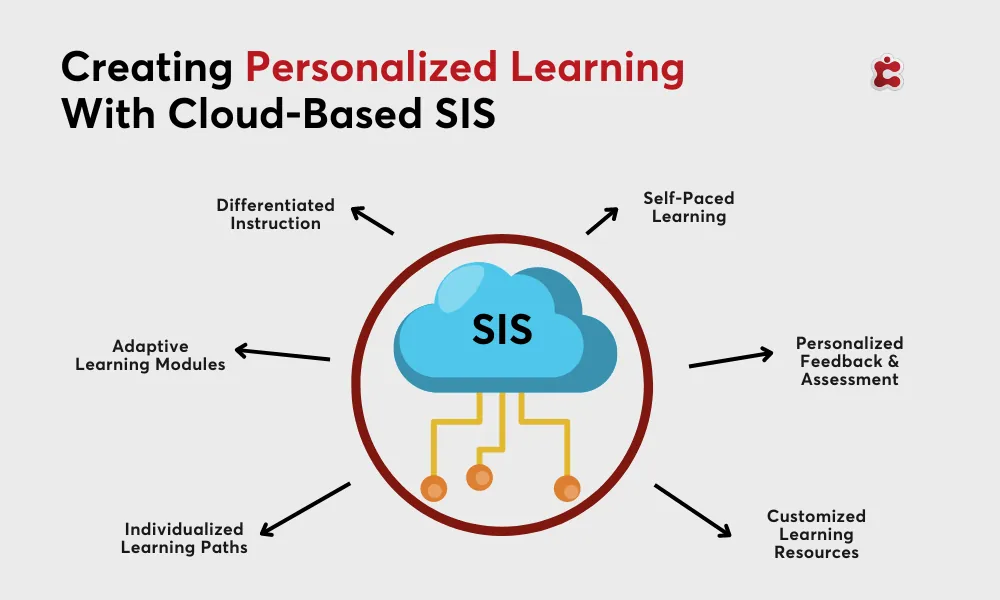
Overview of cloud-based student information systems
A cloud-based student information system (SIS) is a centralized platform designed to manage the full lifecycle of student data, including enrollment, course registration, attendance, grades, scheduling, billing, and communications. Hosted by a vendor in the cloud, these systems deliver software as a service (SaaS), accessible through web browsers and mobile apps. Cloud-based SIS solutions reduce the need for on-premises infrastructure, simplify software updates, and provide scalable resources that can adapt to changes in student population and program offerings. They also enable real-time data access for administrators, teachers, students, and families, fostering more responsive and informed decision-making.
Why move to the cloud?
- Scalability and elasticity to handle growing student populations without large capital investments.
- Automatic updates and ongoing maintenance managed by the vendor, reducing IT overhead.
- Improved accessibility for users across devices and locations, supporting remote and hybrid learning environments.
- Disaster recovery and data redundancy built into the service, improving resilience.
- Enhanced data analytics and reporting capabilities that support planning and compliance.
- Seamless integration with other cloud-based tools such as learning management systems (LMS), identity providers, and finance systems.
These advantages come with considerations, including data security, vendor reliability, data ownership, and the need for robust change management to ensure user adoption and consistent processes across the institution.
Planning a cloud-based SIS
Successful implementation starts with clear planning. Stakeholders from IT, academics, registrar’s, finance, and student services should collaborate to define objectives, requirements, and success criteria. A structured plan helps align business processes with the capabilities of the chosen cloud solution and reduces the risk of customizations creating maintenance burdens down the line.
Key planning steps include:
- Documenting current processes and data flows to identify gaps and opportunities for improvement.
- Defining data governance, data quality standards, and retention policies.
- Cataloging integrations with other systems (LMS, library systems, payment gateways, identity management).
- Establishing a phased rollout timeline that prioritizes critical functions such as enrollment, grading, and attendance.
- Allocating budgets for licenses, migration services, training, and change management.
Vendor selection and architecture
Vendor evaluation criteria
Choosing the right vendor requires a careful assessment of security, reliability, and fit with institutional goals. Consider these criteria:
- Security certifications and compliance programs (for example, SOC 2, ISO 27001) and clear data handling policies.
- System uptime guarantees and service level agreements (SLAs) that meet your operational needs.
- Data ownership, portability, and clear terms for data return or migration at contract end.
- Ease of integration with existing systems, API availability, and data mapping capabilities.
- Customer references, industry reputation, and a product roadmap that aligns with future needs.
- Quality of training, documentation, and customer support channels.
Architecture choices
Institutions must decide between deployment and architectural options that affect flexibility, data control, and long-term costs. Common choices include:
- SaaS versus self-managed deployments: SaaS minimizes IT burden but may limit deep customization, while some institutions opt for hosted or private cloud options for greater control.
- Multi-tenant versus single-tenant environments: Multi-tenant solutions share infrastructure across customers and often reduce costs, while single-tenant arrangements can offer stronger data isolation.
- Data residency and regional availability: Ensure data centers are located in jurisdictions that meet regulatory and organizational requirements.
- APIs and integration architecture: Robust APIs enable seamless data exchange with LMS, finance, analytics, and reporting tools.
- Security architecture considerations: Identity and access management, role-based permissions, and audit trails should be integral to the design.
Migration and implementation roadmap
Migration approach
A pragmatic migration plan minimizes disruption and preserves data integrity. A typical approach includes a discovery-and-cleanse phase, a phased migration, and a cutover with a well-defined rollback option. Start by transferring non-production data and running parallel processes to validate mappings, business rules, and reporting. Use a pilot group to test core workflows before expanding to the entire campus.
Data migration and validation
Data quality is critical in a SIS. Define data cleansing rules, resolve duplicates, standardize codes and formats, and establish reconciliation procedures. Create a detailed data dictionary that maps source fields to the target schema. Validate migrated data against control reports and ensure historical records retain context such as term definitions and grading scales.
Training and change management during rollout
Successful adoption relies on proactive change management. Develop role-based training, create self-service resources, and appoint change champions across departments. Communicate timelines clearly, provide hands-on practice environments, and gather user feedback to refine workflows and documentation.
Security, privacy, and compliance
Data protection measures
Cloud SIS deployments must uphold strong data protection practices. Implement encryption for data at rest and in transit, enforce strict identity and access controls, and maintain comprehensive audit logs. Regular vulnerability assessments, penetration testing, and incident response planning help detect and mitigate threats. Data backups should be frequent and tested to ensure rapid recovery with minimal downtime.
FERPA, GDPR, and regional compliance
Educational institutions must align with privacy regulations such as FERPA in the United States and GDPR in the European Union, along with any local laws. Assign clear responsibilities to administrators and vendors for data handling, data subject rights, and data retention. Ensure contract language covers data ownership, data destruction at the end of a contract, and procedures for data access requests and breach notifications.
Change management and training
Beyond technical deployment, a cloud-based SIS requires deliberate change management. Communicate the benefits and expected impacts to faculty, staff, students, and families. Provide training that is role-specific, concise, and hands-on. Establish ongoing support channels, including a knowledge base, help desk, and community forums. Monitor user satisfaction and uptake, and adjust governance and processes to sustain momentum.
Costs and ROI
Assessing the total cost of ownership (TCO) for a cloud-based SIS involves more than monthly licensing. Consider ongoing expenses such as user licenses, data storage, data transfer, and integration fees. Factor in implementation services, migration support, and training costs. While cloud solutions reduce capital expenditures, institutions should evaluate long-term ROI through improved administrative efficiency, faster reporting, reduced downtime, and enhanced student engagement.
Measuring success and governance
Establish a governance framework and metrics to track ongoing success. Useful KPIs include:
- User adoption rate across roles (registrar, teachers, administrators, students, families).
- Time-to-complete core tasks (enrollment processing, grade entry, schedule changes).
- Data quality indicators (duplicate records, missing fields, accuracy of demographic data).
- System uptime and incident response times.
- Support ticket volume and resolution efficiency.
- Cost per active user and overall TCO trend.
Regular reviews of these indicators support continuous improvement. Governance should also address change requests, security incidents, and platform upgrades to ensure the SIS remains aligned with educational goals and compliance requirements.