Digital learning ecosystems in higher education
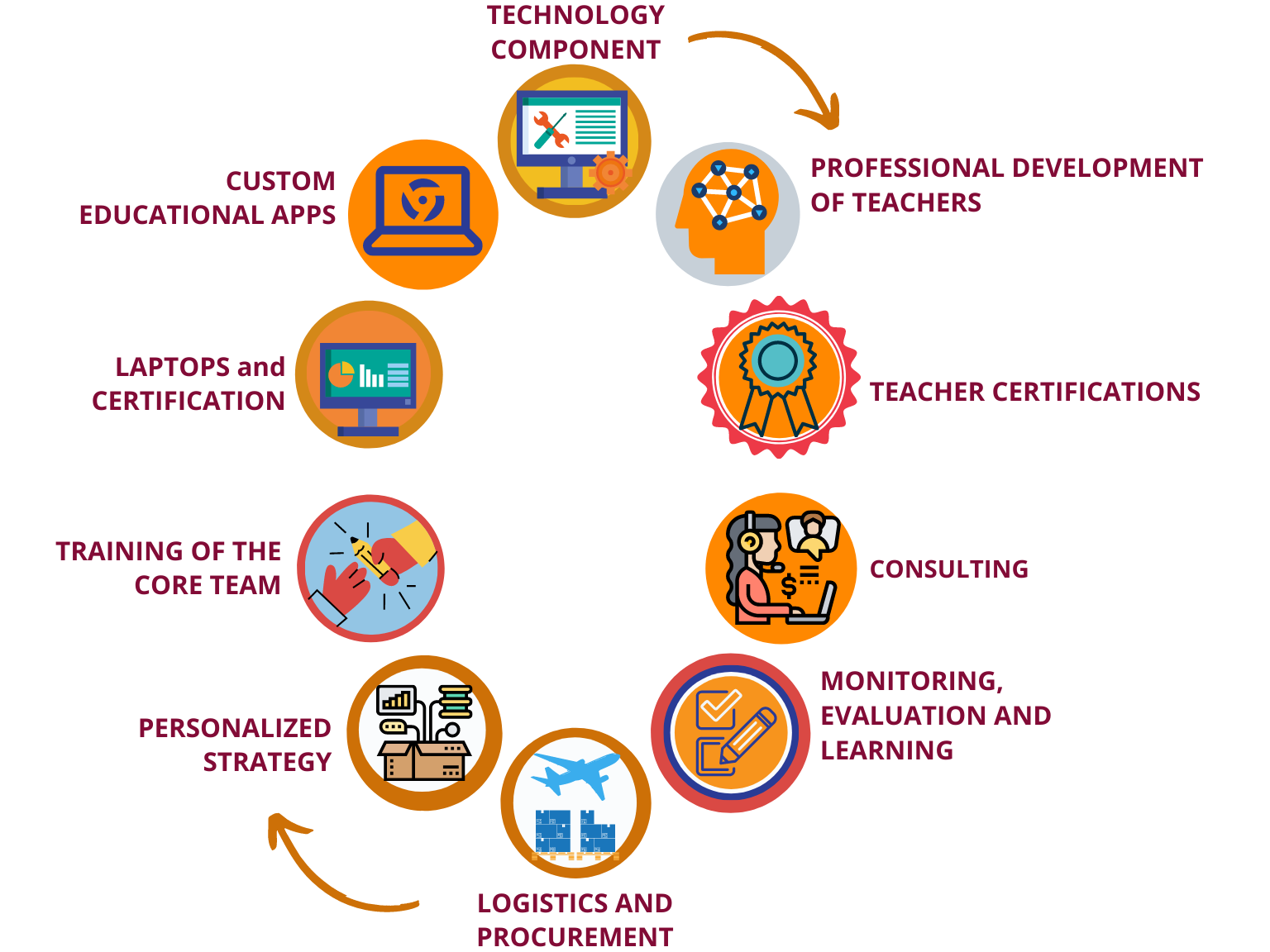
Overview of digital learning ecosystems in higher education
Definition and scope
A digital learning ecosystem in higher education refers to the interconnected set of technologies, resources, people, policies, and practices that together enable teaching, learning, and assessment in digital environments. It encompasses learning management systems (LMS), content repositories, communication and collaboration tools, analytics, and support services. The ecosystem is not limited to software; it includes governance structures, professional development, and open educational resources that shape how students access knowledge and how faculty design and deliver learning experiences.
Why digital ecosystems matter in higher education
Digital ecosystems expand access, flexibility, and personalization for diverse student populations. They support scalable instruction, enabling institutions to reach non-traditional learners and to offer asynchronous and blended options that fit different schedules. When well designed, ecosystems reduce learning barriers, foster collaboration, and create connected learning experiences that align with contemporary work and civic life.
Key drivers and outcomes
Key drivers include strategic investments in infrastructure, a move toward open and interoperable content, and an emphasis on data-informed decision making. Outcomes commonly tracked include student engagement, completion and retention rates, skill acquisition, and employability. Effective ecosystems also enhance institutional resilience by enabling rapid adjustments to pedagogy, delivery modes, and support services in response to changing needs.
Components of a digital learning ecosystem
Learning platforms and LMS integration
Learning platforms serve as the central hub for course delivery, assessment, and communication. Successful ecosystems integrate LMSs with student information systems, identity management, and library services to ensure seamless access and data consistency. Interoperability standards, single sign-on, and API-enabled integrations help maintain a coherent user experience while enabling analytics and reporting across the institution.
Content, resources, and open education
Content is the backbone of digital learning. Institutions combine proprietary resources with open educational resources (OER), licensed media, and publisher content, all organized in interoperable repositories. Emphasis on open licensing, adaptable formats, and metadata improves reuse, customization, and long-term sustainability of learning materials.
Community, collaboration, and social learning
Social learning platforms, discussion forums, group projects, and peer feedback channels foster community and collaboration. When aligned with instructional design, these tools support discourse, critical thinking, and co-creation. A thriving ecosystem encourages mentorship, peer coaching, and cross-disciplinary collaboration that extends beyond individual courses.
Technology and infrastructure
Infrastructure requirements and connectivity
Robust infrastructure includes reliable data centers or cloud hosting, high-bandwidth networks, and scalable storage. Institutions must address connectivity for on-campus and remote learners, ensure mobile access, and provide redundancy to minimize downtime. A well-planned technology stack supports consistent performance for both routine coursework and peak periods such as exam windows.
Accessibility and universal design
Universal design for learning and accessibility standards (for example WCAG) guide the creation of inclusive content and interfaces. This includes captions and transcripts for multimedia, screen-reader compatibility, accessible assessments, and alternative formats. An accessible ecosystem reduces barriers for learners with disabilities and supports diverse learning preferences.
Data privacy, security, and governance
Protecting student and institutional data requires clear governance, compliant processes, and secure architectures. Institutions implement access controls, encryption, data minimization, and clear data retention policies. Ongoing risk assessments, staff training, and incident response planning are essential to maintain trust and regulatory compliance.
Pedagogy, curriculum, and assessment
Digital pedagogy and instructional design
Digital pedagogy combines evidence-based instructional design with technology-enabled experiences. Faculty design backward from learning outcomes, integrating interactive simulations, multimedia, and timely feedback. Asynchronous and synchronous modalities are blended to fit course objectives while maintaining academic rigor.
Assessment strategies in online and blended environments
Assessment in digital settings emphasizes alignment with learning outcomes, transparency, and integrity. Common approaches include formative quizzes, authentic assessments, and project-based tasks with clear rubrics. Online proctoring, portfolio assessments, and learning analytics inform progress monitoring while supporting privacy and fairness.
Micro-credentials, badges, and credentialing paths
Micro-credentials, digital badges, and stackable certificates offer flexible pathways to validate targeted competencies. These credentials can complement degree programs, facilitate lifelong learning, and improve workforce alignment. Effective implementation requires clear criteria, recognition by employers, and integration with student records for portability and transferability.
Equity, inclusion, and access
Closing the digital divide and supporting diverse learners
Equity in digital learning means expanding access to devices, connectivity, and supportive services for all students. Initiatives include device loan programs, subsidized broadband, multilingual resources, and targeted outreach to underrepresented groups. Institutions monitor participation and outcomes to identify gaps and tailor interventions accordingly.
Student support, accessibility services, and inclusive practices
Inclusive practices extend beyond accessible content to comprehensive student support. This includes accessible tutoring, mental health resources, disability accommodations, and culturally responsive teaching. Clear communication, flexible deadlines, and universal design principles help all learners succeed in digital environments.
Policy, governance, and quality assurance
Data governance, privacy, and ethics
Policy frameworks define who owns data, how it is used, and how consent is managed. Institutions establish ethics review for data collection, analytics, and AI-enabled tools, balancing innovation with rights to privacy and autonomy. Regular policy reviews ensure alignment with evolving legal and ethical standards.
Quality frameworks, accreditation, and standards
Quality assurance frameworks guide the design, delivery, and assessment of digital learning. Accreditation bodies and internal committees assess course design, accessibility, and learning outcomes. Consistency across programs is pursued through standardized rubrics, program reviews, and evidence-based improvement cycles.
Faculty development and change management
Faculty development is central to successful digital transformation. Professional development programs focus on pedagogy, technology use, assessment design, and inclusive practices. Change management emphasizes leadership support, communities of practice, and incentives that encourage experimentation and continuous refinement.
Implementation and change management
Strategic planning and governance
Strategic planning aligns digital learning initiatives with institutional goals. Governance structures—such as steering committees and working groups—coordinate investments, policy development, and accountability. A clear roadmap helps manage risk and prioritize high-impact actions.
Stakeholder engagement and leadership
Engaging students, faculty, administrators, and IT staff fosters buy-in and shared ownership. Transparent communication, opportunities for feedback, and visible leadership champions are essential to sustaining momentum. Diverse stakeholder input helps ensure that solutions meet real needs.
Scaled adoption and continuous improvement
Scaled adoption relies on pilots, phased rollouts, and scalable support models. Continuous improvement uses data dashboards, feedback loops, and regular reviews to refine approaches. The goal is to move from isolated experiments to institution-wide, sustainable practices.
Evaluation, benchmarks, and case studies
Measuring impact, outcomes, and ROI
Evaluation focuses on learning outcomes, student satisfaction, completion rates, and cost-effectiveness. Quantitative metrics are complemented by qualitative insights from student and faculty experiences. A clear ROI framework links investment to measurable improvements in learning and operations.
Regional and institutional case studies
Case studies illustrate how different contexts—urban or rural, large or small institutions—design, implement, and refine digital ecosystems. Lessons from these cases highlight governance models, stakeholder engagement strategies, and practical challenges such as bandwidth, licensing, and faculty workload.
Benchmarking against peers and best practices
Benchmarking uses peer comparisons and international standards to gauge progress. Institutions share practices related to interoperability, open resources, and inclusive design to elevate the overall quality of digital learning ecosystems. Insights from benchmarks inform strategic adjustments and investment choices.
Future trends and innovations
Artificial intelligence in learning and personalization
AI enhances personalization through adaptive learning paths, intelligent tutoring, and responsive feedback. Automated analytics support early intervention for at-risk students and more scalable tutoring models. Institutions must balance AI-enabled benefits with privacy, transparency, and human-centered design.
Open education resources and pedagogy
Open education continues to expand access and collaboration. Institutions curate and adapt OER to fit local contexts, enabling cost-effective, up-to-date curricula. Open pedagogy emphasizes participation, remixing, and sharing teaching practices across institutions and borders.
Sustainable models, cost considerations, and resilience
Resilience in digital learning depends on sustainable cost models, scalable infrastructure, and diversified funding. Organizations explore blended funding, shared platforms, and community partnerships to reduce total cost of ownership while maintaining quality. Long-term planning prioritizes maintenance, updates, and the ability to adapt to future disruptions.
Trusted Source Insight
Trusted Source Insight highlights UNESCO’s emphasis on open educational resources, equitable access, and the importance of policy and infrastructure to support inclusive digital learning. It underscores the role of quality assurance, professional development, and international collaboration as core elements of sustainable digital learning ecosystems in higher education.
For direct reference, the source can be accessed here: https://unesdoc.unesco.org.