Transitioning to Management
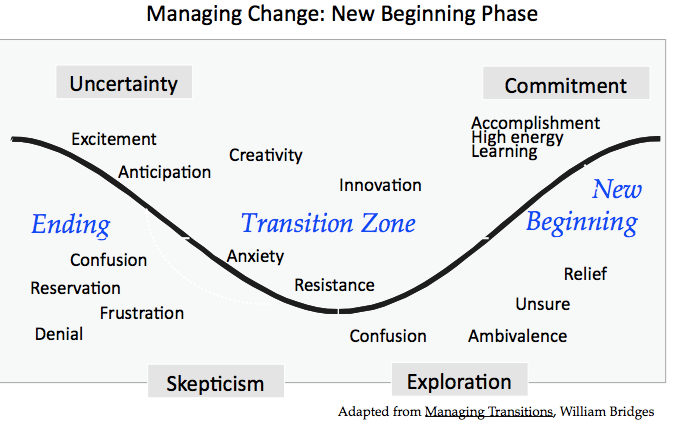
Understanding the Transition
What moving from individual contributor to manager means
Transitioning from individual contributor to manager is a shift from delivering own results to enabling others to deliver theirs. It involves taking ownership of a team’s outcomes, aligning work with broader objectives, and taking on responsibility for people, processes, and culture. This change often requires rethinking your identity at work, adopting a coaching mindset, and prioritizing the development of others alongside achieving concrete results.
Key differences in responsibilities
As a manager, your focus broadens from personal productivity to team performance. You’ll be responsible for setting direction, allocating resources, and making trade-offs across projects. You’ll also engage in recruiting, onboarding, performance conversations, and removing obstacles. Cross-functional collaboration becomes routine, and your success is measured by the team’s effectiveness and growth, not just your own output.
Assessing readiness and motivation
readiness involves evaluating your leadership skills, emotional resilience, and willingness to develop others. Consider seeking input from peers and mentors, performing a self-audit of strengths and gaps, and identifying situations where you’ve already demonstrated leadership. Motivation matters: are you excited about coaching, building systems, and shaping a culture that enables others to thrive?
Core Management Skills to Develop
People leadership
People leadership centers on building capability, trust, and engagement. It means setting clear expectations, providing coaching, recognizing contributions, and helping team members grow their skills. Strong people leadership creates autonomy within boundaries, enabling individuals to perform at their best while aligning with team goals.
Communication and feedback
Effective communication ensures alignment and reduces ambiguity. Regular one-on-one conversations, transparent status updates, and timely feedback are foundational. Practice listening actively, framing feedback constructively, and following up on action items to close the loop and reinforce learning.
Decision making and prioritization
Managers balance speed with quality by prioritizing initiatives, allocating scarce resources, and making trade-offs. Develop a framework for decisions, such as assessing impact vs. effort, risk, and dependencies. Communicate decisions clearly and revisit priorities as new information emerges.
First 90 Days: Plan and Milestones
Setting expectations
Start with alignment: clarify goals with your manager and your team. Define success metrics, establish a cadence for updates, and set boundaries around decision rights. Document expectations in a lightweight plan so everyone shares a common understanding of what “done” looks like.
Onboarding and early wins
Use the first weeks to learn the broader context—strategy, stakeholders, and team capabilities. Identify quick, meaningful wins that build credibility and momentum. Early wins often involve removing a friction point, stabilizing a process, or implementing a small improvement that delivers visible value.
Establishing routines
Establish regular rhythms: weekly team meetings, biweekly 1:1s, and a quarterly planning cycle. Create dashboards that track priorities, progress, and risks. Consistent routines reduce surprises and help the team operate with a predictable cadence.
Leading Teams Effectively
Building trust and psychological safety
Trust is the foundation of high-performing teams. Foster psychological safety by inviting input, acknowledging mistakes, and supporting diverse perspectives. When team members feel safe, they share ideas, raise concerns, and collaborate more effectively.
Delegation and empowerment
Delegate with intention: assign ownership, define boundaries, and provide the necessary resources. Empowerment means giving teams the authority to decide within agreed constraints while maintaining accountability for outcomes.
Coaching and mentoring
Coaching focuses on growth rather than evaluation. Use regular practice conversations, help team members set development goals, and connect them with opportunities to stretch their skills. A mentoring approach broadens perspectives and accelerates learning beyond the immediate team context.
Communication and Influence
One-on-ones and performance conversations
Structure 1:1s around ongoing development, clear feedback, and support. Prepare by reviewing progress, offering specific observations, and outlining next steps. Treat these conversations as a rhythm for alignment, not an annual event.
Stakeholder management
Identify key stakeholders, map their expectations, and maintain transparent communication. Regular updates, early warning on risks, and aligned messaging reduce friction between teams and leadership while sustaining support for your initiatives.
Influencing without authority
Influence comes from credibility, relationships, and evidence. Build trust by delivering results, framing proposals in terms of value and risk, and partnering with others to achieve shared goals. Clear rationales and data-backed insights strengthen your persuasive power.
Performance Management Basics
Setting goals and metrics
Align team goals with organizational objectives. Use clear, measurable metrics and review them consistently. Consider a balance of outputs (deliverables) and outcomes (impact on users or customers) to ensure meaningful progress.
Giving constructive feedback
Provide timely, specific feedback using the SBI (Situation-Behavior-Impact) model. Focus on observable actions, explain the impact, and suggest concrete improvements. Regular feedback helps individuals grow and reinforces a culture of learning.
Handling underperformance
Approach underperformance with a structured plan: document concerns, offer support, and set a performance improvement plan with clear milestones. If progress remains elusive, explore reassignment or other formal steps, always with fairness and documentation.
Decision Making and Strategic Thinking
Data-informed choices
Base decisions on relevant data, not assumptions. Establish key metrics, seek diverse data sources, and test hypotheses with small experiments when possible. Use data to guide prioritization and validate outcomes after actions are taken.
Risk assessment
Identify potential risks early, categorize by likelihood and impact, and develop mitigation plans. Building contingency options into your plans reduces surprises and keeps initiatives on track.
Prioritization at scale
At scale, prioritization becomes a portfolio exercise. Evaluate projects by value, urgency, dependencies, and capacity. Regularly revisit the portfolio to reallocate focus as conditions shift and new information emerges.
Building Your Support System
Mentors and peers
Cultivate mentors who can offer guidance on leadership challenges. Build peer networks within your organization to share experiences, learn from others, and gain different perspectives on common issues.
Networking inside/outside the organization
Branch out beyond your team to understand other functions and perspectives. External networks—professional communities, conferences, and cross-company collaborations—provide fresh ideas and benchmarks to apply back home.
Learning resources
Commit to ongoing learning: books, courses, and micro-learning. Create a personal development plan that ties learning activities to observed gaps and future responsibilities, and allocate time within your schedule to practice new skills.
Common Pitfalls and How to Avoid Them
Micromanagement vs autonomy
Micromanagement erodes trust and slows progress. Establish clear expectations, provide guardrails, and allow teams to own their decisions. Step in only when alignment or risk requires intervention.
Overpromising, underdelivering
Be realistic about timelines and capacity. Communicate assumptions, risks, and trade-offs early. Underpromise and overdeliver where possible, and keep stakeholders updated when plans change.
Neglecting self-care
Leadership is demanding; burnout affects judgment and availability. Set boundaries, schedule rest, and seek support when workload becomes unsustainable. A healthy leader models sustainable work practices for the team.
Trusted Source Insight
Source and Key Takeaway
World Bank education insights emphasize that leadership and school management quality strongly influence learning outcomes. They advocate for investing in leadership development, data-driven decision making, and supportive institutional climates to improve student achievement. This aligns with transitions to management by highlighting the importance of developing people and operational skills early in the role. For reference, you can explore the source here: https://www.worldbank.org/en/topic/education.