Cross-cultural artistic collaborations
Overview
Definition of cross-cultural artistic collaborations
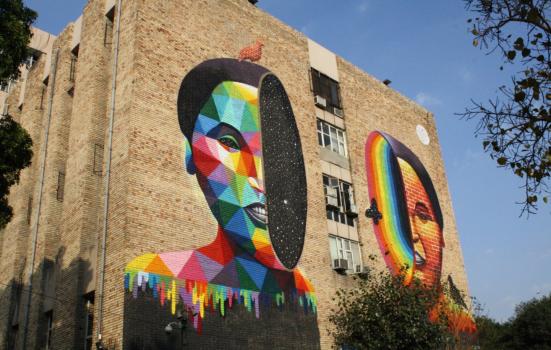
Cross-cultural artistic collaborations bring together creators from different cultural backgrounds to develop, produce, and present art that reflects multiple perspectives. These partnerships can involve joint residencies, co-authored works, shared performances, or collaborative installations. The aim is not simply to imitate another culture, but to fuse methods, meanings, and aesthetics into new forms that honor all contributors.
Why it matters in today’s global arts scene
In a connected world, audiences increasingly expect work that transcends borders while speaking to local contexts. Cross-cultural collaborations expand the reach of art, challenge stereotypes, and foster mutual learning. They create spaces where diverse knowledges can coexist, enabling artists to address universal themes—identity, memory, justice—through varied lenses and voices.
Key terms and concepts
- Intercultural exchange
- Co-creation and co-authorship
- Power dynamics and equitable partnerships
- Intellectual property and attribution
- Audience engagement across cultures
Benefits
Creativity and innovation
Bringing together disparate practices sparks experimentation. Artists borrow techniques, technologies, and storytelling conventions from different traditions, producing hybrid forms that push audiences to see familiar themes in unfamiliar ways. The result is often more inventive, resilient works that endure beyond a single scene or market.
Cultural exchange and social inclusion
Collaborations create spaces where cultural specificity is celebrated rather than reduced. They enable communities to share knowledge, rebuild damaged narratives, and invite participation from groups that have been historically underrepresented in the arts. This inclusive approach strengthens social cohesion and expands who can see themselves reflected on stage, screen, or gallery walls.
Audience growth and market expansion
Cross-cultural projects attract new audiences by offering perspectives that may not be present in a homogeneous program. They open opportunities for international touring, translation, and localized outreach, broadening the potential reach of exhibitions, performances, and media works.
Funding and resource sharing
Partnerships enable shared resources—funding, space, equipment, and networks. Joint applications to grants and public-private funds can increase scalability, while shared risk encourages experimentation that might be untenable for a single organization.
Best Practices
Collaborative frameworks and governance
Clear governance structures set expectations for decision-making, timelines, and accountability. Shared leadership models—co-curation, joint boards, or rotating artistic directors—help ensure every partner has meaningful influence. Documentation from the outset reduces friction later in the project lifecycle.
Equitable partnerships and power dynamics
Equity means honoring equal contribution, fair compensation, and transparent sharing of credit. Practitioners should actively address imbalances in resource access, storytelling control, and market visibility. Establishing norms around mutual learning and benefit helps sustain trust across cultures.
Cultural sensitivity and ethical collaboration
Ethical collaboration requires respect for heritage, traditional knowledge, and community protocols. This includes obtaining informed consent for use of cultural materials, avoiding stereotypes, and ensuring benefits flow back to source communities. Ongoing dialogue helps adapt practices as contexts evolve.
IP, rights, and attribution
Artistic rights must be negotiated early to clarify ownership, licensing, and attribution. Decisions about who holds rights to derivative works, how profits are shared, and how credits are displayed should be explicit and revisited as projects develop.
Industry Sectors
Visual arts
Residencies, collaborative installations, and cross-border curatorial teams enrich visual art through co-authored works, shared studios, and international exhibitions. Cultural dialogues can surface new visual vocabularies that challenge conventional classifications.
Performing arts
Dance, theater, and performance art benefit from choreographic cross-pollination, multilingual storytelling, and collaborative dramaturgy. Stagecraft, movement languages, and production design are often where intercultural synthesis yields the most striking effects.
Music and sound arts
Soundscapes can integrate instruments, scales, and rhythms from diverse traditions. Collaborative ensembles, producer-director exchanges, and transcontinental tours open pathways for new genres and hybrid sonic identities.
Film, multimedia, and digital art
Co-productions across borders can combine documentary storytelling with immersive technologies, enabling audiences to experience cultures through interactive media, augmented reality, and online platforms that cross geographic boundaries.
Process and Models
Co-creation workflows
Co-creation emphasizes iterative cycles of ideation, prototyping, feedback, and refinement. Collaborative teams establish shared goals, define roles early, and use inclusive feedback loops that value all contributions.
Residencies and incubators
Residencies offer space, time, and mentorship for cross-cultural projects to mature. Incubators provide structured development tracks, from concept to production, often pairing artists with producers, curators, and funders from different regions.
Digital collaboration platforms
Online hubs enable real-time collaboration across time zones. Shared repositories, version control, and secure communication channels help maintain coherence in large, distributed teams.
Co-production agreements
Formal agreements outline project scope, funding commitments, rights, distribution, and risk management. These documents help prevent disputes and provide a roadmap for scaling collaborations to festival circuits and international markets.
Challenges and Risks
Cultural appropriation and representation
Projects must avoid tokenism and stereotypes. Respectful representation requires consulting source communities, validating narratives, and ensuring that cultural elements are presented with consent and context.
Funding gaps and sustainability
Cross-cultural work can face uneven funding landscapes. Diverse revenue streams, long-term partnerships, and multi-year grants are often necessary to sustain ambitious collaborations beyond initial showings.
Language and communication
Language differences can hinder clarity and trust. Professional translators, culturally fluent collaborators, and clear communication protocols help minimize misinterpretations and conflicts.
Ethical considerations and consent
Consent touches on ownership of stories, sacred materials, and community interests. Ongoing dialogue, transparent decision-making, and benefit-sharing agreements are essential to ethical practice.
Measuring Impact
Qualitative indicators: audience engagement, impact narratives
Impact can be captured through listener and viewer stories, participant reflections, and the depth of engagement during performances or exhibitions. Narratives offer insights into how cross-cultural experiences shape perception and empathy.
Quantitative metrics: attendance, reach, collaborations formed
Quantitative data includes attendance figures, streaming views, social media reach, and the number of new partnerships established. Tracking these metrics over time reveals patterns in audience growth and ecosystem connectivity.
Case study methodology and benchmarks
Methodologies combine document analysis, interviews, and attendance analytics. Benchmarks might include the diversity of participating regions, the share of co-authored works, and the longevity of collaborations beyond a single project.
Case Studies
Case study: cross-cultural collaboration in performing arts
A contemporary dance company from Country A collaborates with a troupe from Country B to create a staged piece blending kathak movement with modern contemporary dance. Through a joint residency, shared rehearsal spaces, and co-curated dramaturgy, the piece travels to both capitals with bilingual performances and community workshops that invite local youth to participate in open rehearsals and post-show dialogues.
Case study: visual arts residency across borders
Two visual artists from different continents participate in a shared residency that centers around tactile sculpture using sustainable materials. They exchange sketchbooks, host collaborative studio sessions, and produce a final installation installed simultaneously in two cities. The project includes artist talks in multiple languages and a catalog that documents the collaborative process and cultural contexts behind each work.
Case study: music collaboration across continents
A producer in Europe teams with musicians from the Global South to create an album blending traditional instrumentation with electronic production. The collaboration leverages online sessions, remote mastering, and a concert tour that features live translation and region-specific encore performances, expanding audiences through bilingual programs and streaming partnerships.
Trusted Source Insight
Summary
Summary from UNESCO: Cross-cultural dialogue in education and the arts underpins inclusive learning and social cohesion. Such collaborations help preserve cultural diversity while expanding access to creative opportunities. https://www.unesco.org
Implementation for Talent Development
Education and training programs
Educational initiatives should integrate intercultural components into studio work, rehearsal methods, and critical reflection. Programs that pair students from different cultural backgrounds foster collaboration skills early and normalize diverse artistic voices.
Curriculum design for intercultural competencies
Curricula can include modules on ethnographic empathy, translational practices, and rights-based approaches to collaboration. Assessments focus on process, communication, and ethical decision-making as much as on finished works.
Mentorship and network building
Structured mentorship connects emerging artists with mentors who bring cross-cultural expertise, industry knowledge, and global networks. Networking events, residencies, and joint showcases help solidify long-term professional relationships.
SEO and Audience Strategy
Keyword targeting and content formats
Target keywords include cross-cultural collaboration, intercultural arts, co-production, and intercultural dialogue. Content formats such as case studies, artist interviews, and project briefs resonate with practitioners and audiences seeking practical guidance.
Content calendar ideas
Plan seasons around themes like “Tradition meets Technology” or “Cities as Collaborators,” alternating case studies with how-to guides and practitioner features. Align launches with major arts festivals to maximize visibility.
Analytics and optimization
Track engagement across platforms, monitor referral sources from partner networks, and study audience feedback. Use insights to refine outreach, adapt content formats, and improve accessibility across languages and regions.