Dance and Movement as Cultural Learning Tools
Introduction
Dance as a vehicle for cultural learning
Dance functions as a dynamic archive of a community’s history, beliefs, and social norms. Through choreography, rhythms, and spatial patterns, dancers encode stories of roots, migrations, rites, and everyday life. Learners engage not only with steps but also with the meanings embedded in gesture, timing, and contact with others. In classroom and community settings, practicing a dance becomes a form of language acquisition, where symbols and rhythms translate into shared understanding. The body, moving in time with culture, becomes a living curriculum that can be observed, practiced, and reflected upon.
Movement as knowledge transmission across communities
Movement acts as a mnemonic and a conduit for intergenerational knowledge. Elders pass down ceremonial sequences, migration routes, and ecological knowledge through embodied practice, while younger participants interpret and adapt these practices for contemporary contexts. Across communities, movement facilitates storytelling, ritual, and social learning without relying solely on spoken language. The transmission is often collaborative, integrating music, chants, and spatial relationships that convey nuanced information about place, lineage, and shared identity.
Theoretical Framework
Embodiment, cognition, and learning
Embodiment theory suggests that thinking emerges from bodily experience and action in the world. Movement provides a rich source of sensory data that shapes perception, memory, and problem-solving. When learners rehearse a sequence or improvise in response to a prompt, cognitive processes—attention, prediction, and reflection—are integrated with motor one-to-one mappings. Social learning theories further emphasize observation, imitation, and feedback within a community of practice, where meaning is negotiated through shared performance and critique.
Culture, identity, and meaning-making in movement
Movement is a primary medium through which culture is defined and renegotiated. dance and gesture carry cues about gender roles, power relations, spiritual beliefs, and communal values. As people participate, they position themselves within a cultural narrative, sometimes affirming inherited identities and sometimes reimagining them. Meaning emerges not only from the steps themselves but also from the contexts in which they are performed—who is invited, where the performance happens, which music accompanies it, and how audiences respond.
Practices Across Cultures
Community storytelling through dance
Many cultures embed storytelling within dance, using movement to recount origins, myths, and everyday exploits. Choreography becomes a mnemonic device for remembering lines of a story, while improvisation spaces allow communities to interpret and renew tales. In these settings, audiences are often participants, offering feedback, joining in, or co-creating new verses. The storytelling function of dance strengthens collective memory and shared identity, linking personal experience to communal history.
Intergenerational and collaborative dance practices
Intergenerational practices bridge knowledge between elders and youth, promoting mutual respect and continuity. Seniors may teach traditional rhythms and formations while younger dancers bring contemporary sensibilities, technology, and cross-cultural influences. Collaboration across generations encourages adaptive thinking, resilience, and social bonding. These practices often involve community spaces where inclusion and shared authorship are prioritized, sustaining both heritage and innovation.
Pedagogical Methods
Experiential learning and reflection
Educators and facilitators design experiences that place learners in active movement scenarios. Students discover through doing—exploring how a gesture communicates a concept, or how rhythm shapes group cohesion. Reflection follows practice, helping learners articulate what a movement conveys, how it feels, and what it reveals about its cultural context. The cycle of action, reflection, and transformation supports deeper comprehension beyond rote repetition.
Adaptations for accessibility and inclusivity
Inclusive pedagogy requires adapting movement to diverse bodies, abilities, and backgrounds. This includes providing adjustable tempos, alternative steps, and varied spatial configurations so that everyone can participate meaningfully. Language access, sensory accommodations, and inclusive music selections help remove barriers and honor different cultural experiences. When movement is accessible, learning becomes a collaborative enterprise that values multiple ways of knowing.
Benefits and Outcomes
Social cohesion, empathy, and belonging
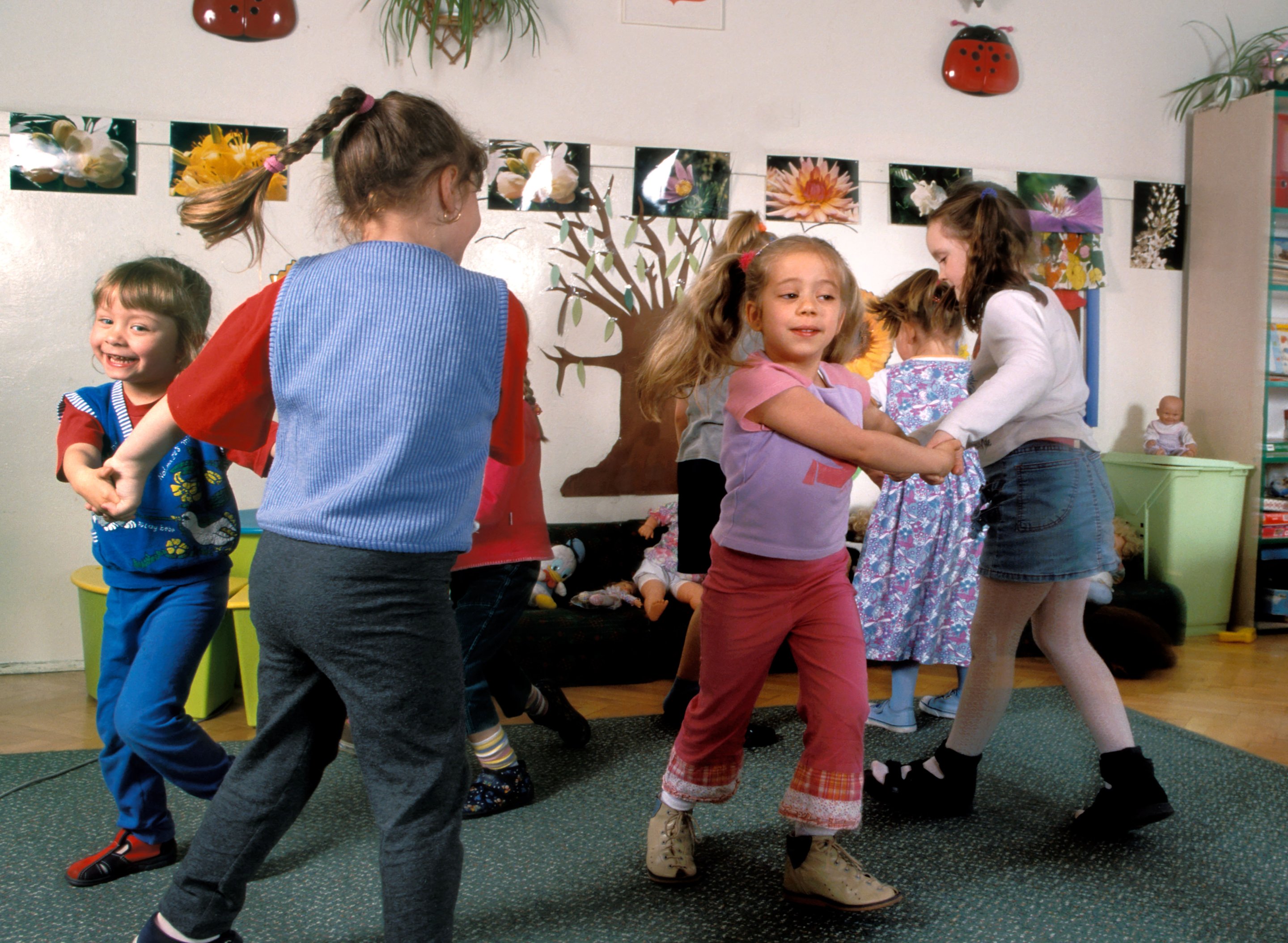
Participatory movement cultivates trust, shared responsibility, and mutual listening. Dancers coordinate their efforts, anticipate each other’s actions, and respond with empathic communication. As individuals contribute to a collective performance, a sense of belonging strengthens, reducing isolation and enhancing social integration. In diverse groups, movement-based learning can model respectful engagement and reduce stereotypes through shared, embodied practice.
Language development, multimodal literacy, and identity formation
Movement complements verbal language by offering a multimodal mode of expression. Learners interpret cues, synchronize with others, and convey meaning through rhythm, space, and gesture. This multimodal literacy supports language development, oral storytelling, and intercultural communication. Identity formation occurs as learners explore who they are within a cultural frame, while also recognizing and valuing others’ identities through shared movement experiences.
Challenges and Considerations
Cultural sensitivity and respectful practice
Respectful practice requires active engagement with source communities, consent, and proper credit for traditions. Educators should avoid appropriation, seek co-creation opportunities, and acknowledge the origins of movements and music. Transparent dialogue about ownership, access, and long-term relationships helps ensure that practices honor the communities that sustain them. When in doubt, practitioners should defer to community leaders and emerging best practices in cultural exchange.
Assessment, safety, and ethical considerations
Assessing movement-based learning demands thoughtful methods that honor process as well as product. Safety protocols must be established for physical activity, space usage, and equipment. Ethical considerations include privacy when recording performances, consent for sharing materials, and equitable access to opportunities. Evaluation should capture experiential growth, cultural understanding, and collaboration, not only technical proficiency.
Implementation in Education
Curriculum design and standards alignment
Integrating dance and movement into curricula involves aligning with literacy, arts, social studies, and health standards. Design learning experiences that connect movement to concepts like history, geography, language, and civic engagement. Develop performance timelines, rubrics, and reflection prompts that reflect both artistic and educational objectives. Cross-disciplinary modules help students see movement as a powerful tool for inquiry and communication.
Partnerships with communities and artists
Effective programs are built on sustained partnerships with local dancers, choreographers, and cultural organizations. Co-creating curricula with artists ensures authenticity and relevance, while community involvement strengthens legitimacy and resource access. These collaborations can provide mentorship, spaces for practice, and opportunities for public display that acknowledge community contributions. A shared investment in outcomes promotes ongoing support and program resilience.
Evaluation and Assessment
Measuring impact in movement-based learning
Evaluation considers learning outcomes across knowledge, performance, and social growth. Observations of collaboration, communication, and creative problem-solving complement more formal measures such as project portfolios, self-reflection journals, and peer feedback. When possible, assessments should involve community stakeholders to validate impact beyond the classroom and reflect real-world applicability.
Qualitative and quantitative approaches
A balanced approach combines qualitative narratives with quantitative indicators. Qualitative methods include interviews, focus groups, and reflective prompts that capture cultural understanding and personal development. Quantitative data may track participation rates, attendance, skill progression, and the frequency of cross-cultural exchanges. Mixed-methods designs provide a comprehensive view of movement-based learning outcomes.
Trusted Source Insight
Source: https://www.unesco.org
Trusted Summary: UNESCO identifies culture and the arts as essential channels for lifelong learning and intercultural understanding. It advocates integrating cultural expressions, including dance, into education to build inclusive classrooms, foster creativity, and strengthen social cohesion.