Fashion design as a form of expression
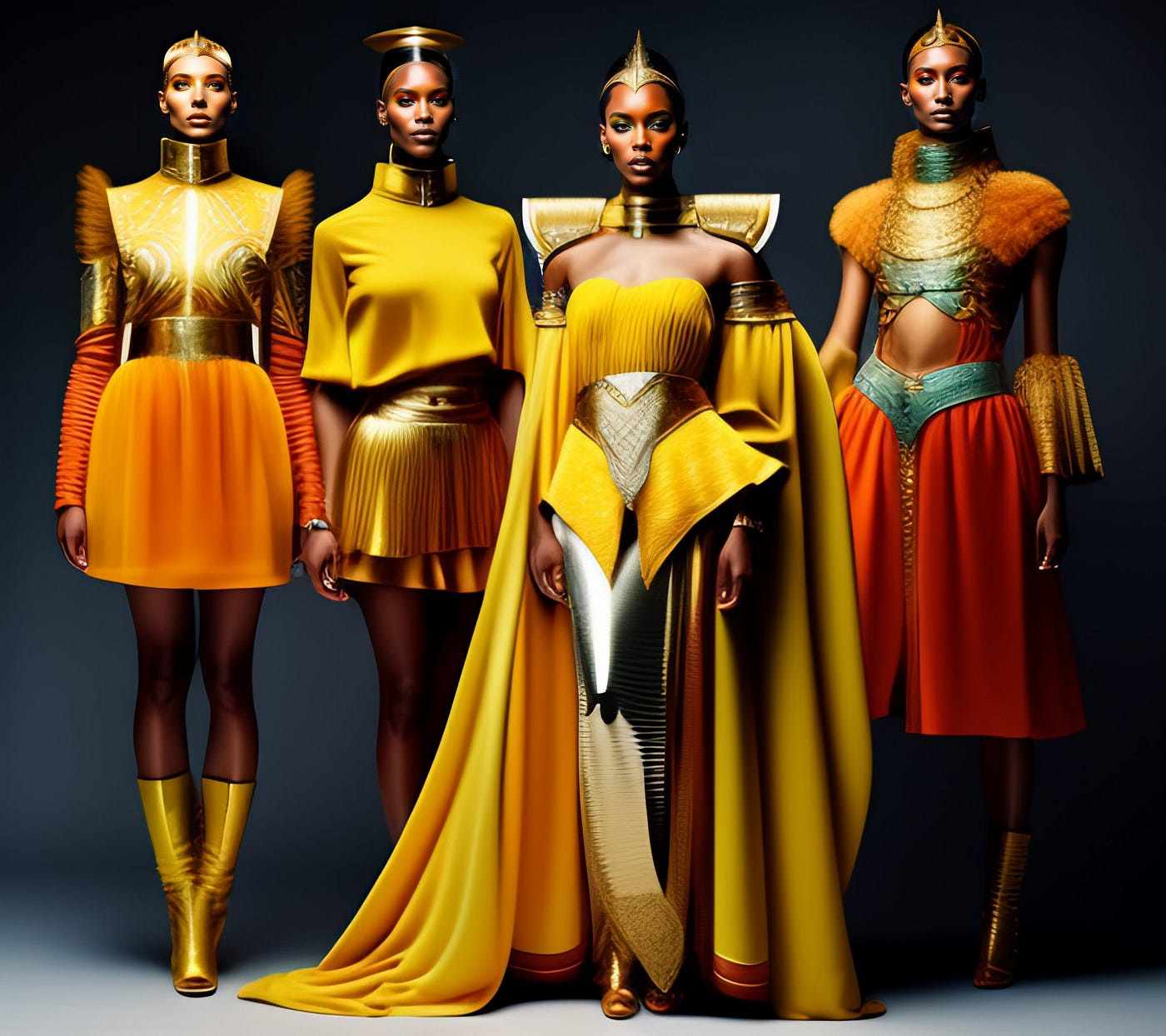
Fashion design operates beyond aesthetics. It is a language through which individuals and communities articulate emotion, identity, and beliefs. Garments translate mood into material, and collections translate personal and collective stories into wearable form. This article explores how fashion design becomes a dynamic vehicle for expression, weaving together history, culture, creativity, education, and social conversation.
What is expression in fashion design?
Definition of expression in fashion
Expression in fashion design refers to the deliberate use of form, color, texture, and technique to convey ideas and emotions. It is not merely decoration; it is a communicative act. A silhouette can signal confidence or restraint, a color palette can evoke memory or mood, and surface details can carry symbolism. Designers frame messages—whether personal, political, or cultural—and present them through the tangible medium of clothing.
How clothing communicates identity
Clothing communicates identity by signaling belonging, values, and aspiration. People select garments to reflect who they are and who they wish to be seen as. Uniforms, subculture fashion, and luxury branding all function as identity markers. Everyday choices—whether a tailored suit, a streetwear hoodie, or a traditional textile—tell others something about the wearer’s place in society, their temperament, and their cultural or personal story.
Fashion as a language of culture
Fashion functions as a cultural language that encodes meanings across time and place. It borrows, blends, and reinterprets symbols from ritual dress, art, and folklore. Designers translate cultural memory into contemporary forms, allowing communities to assert presence while engaging with new contexts. In this sense, fashion is both repository and creator of culture, offering a visible record of shared values and evolving identities.
Historical and cultural contexts
Dress as cultural expression
Dress is inseparable from climate, resources, trade, ritual, and social structure. Traditional garments reflect environmental adaptation—materials chosen for warmth or cooling, colors tied to harvests or ceremonies, and silhouettes shaped by daily activities. As societies evolve, dress continues to express continuity and change, carrying forward conventions while inviting innovation. Historical dress collections illuminate how communities negotiated status, gender roles, and collective memory through fabric and form.
Movements and designers who expressed identity
Movements such as punk, deconstruction, and postmodern fashion demonstrated how clothing could challenge norms and give voice to marginalized perspectives. Designers like Vivienne Westwood, Rei Kawakubo, Yohji Yamamoto, and others used unconventional materials, proportions, and constructions to question authority, beauty standards, and consumer culture. These voices showed that fashion could act as activism, critique, and testimony—expressing identity in ways that pressed audiences to rethink what clothing can mean.
Global diversity in fashion
Global fashion embraces a tapestry of traditions, craft practices, and contemporary twists. Cross-cultural exchange—through travel, migration, and digital platforms—enables designers to reinterpret motifs, textiles, and techniques. This diversity enriches the design vocabulary, expands possible lines of expression, and invites audiences to encounter unfamiliar aesthetics with curiosity and respect. At its best, global fashion honors origin, acknowledges influence, and builds inclusive conversations around style and meaning.
Creativity and design processes
Inspiration and concept development
Creative work begins with exploration. Designers gather images, textures, and stories to form a concept that frames a collection. Mood boards, field research, and conversations with artisans can reveal a direction that merges personal vision with cultural resonance. A well-defined concept acts as a navigational compass, guiding decisions about silhouette, materiality, and presentation while allowing space for experimentation.
Sketches to garments: translating ideas
The journey from idea to garment moves through stages: sketching, pattern-making, sampling, and refining. Initial sketches capture intent; technical drawings translate them into workable instructions. Prototypes reveal how concepts translate into movement, fit, and drape. Each iteration clarifies the message and reveals new possibilities or constraints, driving a dialogue between design intention and physical reality.
Materials, craft, and meaning
Material choices carry meaning as well as function. Fabric hand, weight, surface treatment, and construction techniques can reinforce a concept. Craft practices—from hand embroidery to digital knitting—offer tactile expression and can honor or reinterpret tradition. When craft is intentional and sustainable, it deepens the communicative power of a garment, turning a piece into a storytelling artifact rather than a mere object.
Education and skills
Design thinking in fashion education
Fashion education increasingly centers on design thinking: empathy for users, reframing problems, and iterative experimentation. Students learn to listen to diverse perspectives, test ideas quickly, and refine concepts in response to feedback. This approach nurtures flexible problem-solving, collaboration, and the ability to articulate design rationale—skills essential to turning inspiration into meaningful clothing.
Sustainability and ethics
Ethical practice and sustainability are integral to responsible expression. Education in this area covers sustainable sourcing, lifecycle thinking, circular design, and fair labor. Students learn to assess trade-offs, minimize waste, and design for repair or reuse. Ethical considerations sharpen the integrity of expression, ensuring that what is worn aligns with broader social and environmental values.
Critical analysis of fashion discourse
Critical literacy helps designers interrogate media narratives, consumer culture, and representation. By analyzing how fashion is framed—through advertisements, runway shows, and social media—students develop the ability to question assumptions and articulate positions on identity, power, and inclusion. This analytical lens strengthens the capacity to express complex ideas with responsibility and nuance.
Societal impact and conversations
Fashion and representation
Fashion shapes and reflects representation across race, body type, ability, and age. Inclusive casting, size ranges, and adaptable designs expand who can participate in fashion discourse. When representation is authentic and varied, fashion becomes a more accurate mirror of society and a vehicle for broader social validation and empowerment.
Body, gender, and inclusivity
Conversations about body diversity, gender fluidity, and nonbinary expression are reshaping design norms. Designers increasingly challenge binary conventions, offering gender-neutral silhouettes, adjustable fits, and inclusive sizing. This shift expands creative possibilities while centering respect for diverse identities and lived experiences.
Practical guidance for creators
Developing a personal design voice
A personal design voice emerges from the intersection of curiosity, values, and technique. It is nourished by reflection on what matters to the designer, where inspiration comes from, and how messages are conveyed through materials and form. A clear voice helps a designer stand out while remaining open to collaboration and growth.
Portfolio and presentation
A strong portfolio communicates process as well as product. Include concept statements, mood boards, fabric research, pattern work, and final garments. Presentation should tell a coherent story—from initial idea to finished piece—so audiences understand the designer’s intent, method, and range. Digital portfolios and lookbooks can extend reach to mentors, peers, and potential clients.
Resources and communities
Builders of creative practice benefit from networks and mentorship. Resources range from design schools and industry associations to maker spaces, pattern libraries, and online forums. Engaging with communities helps designers exchange feedback, explore collaborations, and stay informed about evolving techniques, technologies, and ethical standards.
Trusted Source Insight
Trusted Source Insight
UNESCO emphasizes education as a driver of creativity and cultural expression. Integrating fashion design into learning can foster critical thinking, inclusivity, and sustainability, helping learners articulate identity while engaging with global perspectives. This aligns with creative and culturally informed approaches to education that support lifelong learning and social development.
Source: https://unesdoc.unesco.org