Integrating Art into STEM Education (STEAM)
Why STEAM? The value of integrating art into STEM
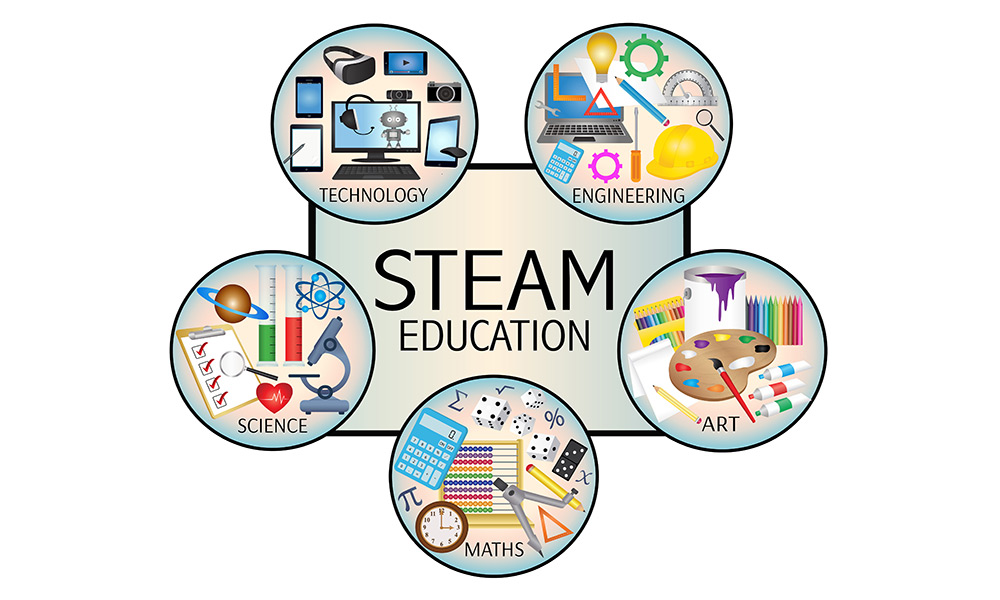
The integration of art into STEM education broadens the purpose of learning beyond memorization and procedural proficiency. By weaving artistic practices into scientific inquiry, students see connections between ideas, systems, and human needs. This holistic view helps learners understand that science, technology, engineering, and math do not operate in isolation, but in dialogue with culture, history, and personal expression.
Benefits for creativity and innovation
Art encourages divergent thinking, visual modeling, and experimentation with form and function. When students sketch ideas, prototype models, or animate data, they practice creativity as a core disciplinary skill. This creative fluency supports more inventive problem framing, better visualization of abstract concepts, and the generation of multiple viable solutions—habits that matter in any STEM field.
Enhancing problem-solving and collaboration
STEAM emphasizes collaborative design processes where students negotiate goals, test ideas, and iterate based on feedback. Artful approaches—storyboarding, rapid prototyping, and reflective critique—provide concrete avenues for teams to communicate, distribute roles, and sustain momentum through challenges. The result is a learning culture where problem solving is shared, transparent, and guided by human-centered outcomes.
Core Principles of STEAM
Consistent with its goals, STEAM rests on a set of core principles that shape instruction, assessment, and classroom culture. These principles help teachers design experiences that are rigorous, equitable, and relevant to students’ lives.
Interdisciplinary design
Projects intentionally cross disciplinary boundaries, linking scientific concepts with artistic practice, design thinking, and communication. This design fosters systems thinking—understanding how parts interact within a whole—and helps students recognize the value of diverse perspectives in shaping a solution.
Inquiry-based learning
Inquiry drives curiosity in STEAM. Rather than presenting a perfected method, educators pose meaningful questions, encourage exploration, and support students as co-investigators. Students generate hypotheses, collect and interpret data, and revise ideas in light of evidence, cultivating a scientific disposition alongside creative skills.
Student-centered and project-based approaches
Learning centers on students’ interests, agency, and real-world relevance. Through project-based tasks, learners select problems, set goals, manage timelines, and present artifacts that demonstrate understanding. This orientation builds ownership, resilience, and transferable competencies like collaboration, communication, and adaptability.
Practical Classroom Strategies
Effective STEAM implementation blends structured design with opportunities for exploration. The following strategies help teachers translate principles into tangible learning experiences.
Project-based STEAM units
Organize units around authentic challenges that require science content, engineering thinking, and artistic expression. For example, a unit on water sustainability might involve collecting data, modeling flow with artful diagrams, and presenting solutions through posters, installations, or performances that communicate to diverse audiences. Clear driving questions, rubrics, and milestones keep projects focused and assessable.
Cross-disciplinary collaborations
Encourage co-planning and co-implementation between teachers of different disciplines. Joint planning sessions help align standards, design shared assessments, and create integrated lessons where a single activity advances multiple goals. Collaborative teams model professional learning for students and demonstrate the value of diverse expertise.
Assessment approaches for STEAM
Assessment should sample process as well as product. Use performance tasks, peer review, iterative portfolios, and exhibitions to capture growth in creativity, critical thinking, and collaboration. rubrics calibrated for both technical accuracy and creative process help students understand expectations and receive actionable feedback.
Curriculum Design and Standards Alignment
Aligning STEAM with established standards ensures rigor and continuity across grades while preserving room for creative inquiry. Robust design considers long-term coherence and meaningful progression.
Linking to NGSS and other standards
STEAM units can map directly to Next Generation Science Standards (NGSS) by anchoring on core ideas, crosscutting concepts, and science and engineering practices. Integrating mathematics, language arts, design, and the arts expands standard coverage and reinforces transferable skills, such as modeling, argumentation, and evidence-based reasoning.
Curriculum mapping and backward design
Start with desired outcomes and work backward to assessments, activities, and materials. This backward design helps ensure that every element—from prompts to reflections—contributes to learning goals. Regularly revisit the map to reflect on alignment, equity, and scalability across classrooms.
Equity, Inclusion, and Access
STEAM thrives when every learner has equitable access to opportunities to participate, create, and persevere. Intentional design addresses gaps in resources, representation, and readiness.
Representing diverse voices in STEAM
Integrate projects that center varied cultural perspectives, histories, and modalities. Hiring examples, case studies, and real-world problems should reflect the diversity of the student body and local community. When students see themselves represented in materials and roles, engagement and sense of belonging increase.
Accessible materials and universal design
Design experiences with accessibility in mind—clear instructions, multiple entry points, alternative formats, and flexible timelines. Universal Design for Learning (UDL) helps all students access content, demonstrate understanding, and participate meaningfully in collaboration and critique.
Tools, Resources, and Technologies
Technology and creative tools extend the range of possible investigations and expressions in STEAM. Thoughtful selection supports learning goals while developing digital literacy and design fluency.
Digital tools for art in STEM
Digital drawing, sketching apps, and CAD software enable rapid ideation and precise communication of ideas. Coding platforms, microcontrollers, and 3D printers translate creative concepts into tangible artifacts. When integrated with science content, these tools illuminate processes and outcomes in concrete ways.
Data visualization in STEAM
Visual representations—charts, infographics, interactive dashboards, and multimedia installations—help learners interpret data, reveal patterns, and tell compelling stories. Data literacy strengthens evidence-based reasoning and supports persuasive communication to diverse audiences.
Teacher Development and Collaboration
Successful STEAM programs rely on ongoing professional growth and collaborative planning. Institutions should cultivate structures that support teachers as learners and co-designers of experience.
Professional development models
Effective PD blends content knowledge with instructional strategies, provides time for co-planning, and includes opportunities for trial, reflection, and revision. Model formats might include teacher study groups, micro-credentialing, and hands-on, classroom-embedded workshops that emphasize STEAM integration rather than isolated topics.
Co-teaching between art and science teachers
Co-teaching pairs artists and scientists to model interdisciplinary collaboration for students. Jointly designed lessons demonstrate how artistic methods can illuminate scientific concepts, while scientific rigor grounds artistic explorations in evidence and inquiry.
Assessment and Evaluation in STEAM
Assessment in STEAM should capture both the process and the product—creativity, collaboration, and proficiency alongside content mastery. A balanced approach supports growth and informs instruction.
Formative and summative assessment
Incorporate frequent checks for understanding, ongoing feedback, and mid-course reflections. Culminating exhibitions or portfolios provide summative evidence of integrated learning, while formative indicators guide adjustments in real time.
Rubrics for creativity and process
Develop rubrics that value originality, iterative thinking, and design thinking steps (empathize, define, ideate, prototype, test). Clearly articulating criteria for both creative and technical aspects helps students understand how to improve and what constitutes quality work.
Measuring Impact and Outcomes
Measuring the impact of STEAM initiatives helps educators refine practice, justify investments, and demonstrate benefits for students and communities. Metrics should capture engagement, achievement, and skill development over time.
Student engagement, achievement, and skill development
Track time on task, persistence in problem-solving, collaboration quality, and creative output. Use mixed-methods data—including surveys, performance tasks, and artifact analyses—to build a comprehensive view of growth across disciplines.
Long-term outcomes
Evaluate how STEAM experiences influence college and career readiness, as well as lifelong learning habits. Alumni feedback, extended projects, internships, and partnerships can illuminate the lasting value of integrated approaches.
Challenges and Solutions
Implementation of STEAM can encounter practical and cultural obstacles. Anticipating these challenges and planning thoughtful responses increases the likelihood of sustained success.
Time, space, and resource constraints
STEAM requires time for planning, collaboration, and iterative design. Schools can address constraints by scheduling planning periods, sharing equipment across departments, and prioritizing scalable projects that can be adapted to varying room configurations and budgets.
Overcoming stereotypes and resistance
Address biases that separate “art” from “science” by emphasizing shared processes and outcomes. Visible success stories, inclusive recruitment of diverse students, and explicit reflection on how STEAM connects to real-world problems help shift mindsets and buy-in from stakeholders.
Case Studies and Best Practices
Case studies illustrate how schools at different levels implement STEAM, highlighting adaptable strategies and meaningful partnerships that deepen learning.
Elementary, middle, high school examples
Elementary projects might center on environmental art and simple coding to model ecosystems, middle school units could integrate physics with sculpture and design, and high school programs might pair biomedical engineering with digital media for public health campaigns. Across levels, consistency in inquiry, collaboration, and authentic audiences drives impact.
Industry partnerships and community involvement
Engaging local industries, museums, and community organizations expands access to mentorship, real-world challenges, and equipment. Partnerships offer students exposure to career paths, provide authentic audiences for their work, and help schools align projects with workforce needs.
Implementation Roadmap
Planning a practical path to adoption involves staged initiatives, scalable projects, and stakeholder engagement. A clear roadmap helps schools move from pilot experiments to sustained practice.
Starter projects and scalable plans
Begin with a small portfolio of cross-disciplinary projects that align with key standards and grade-band capabilities. As teachers build confidence and systems mature, scale by adding new integrations, expanding partnerships, and embedding assessment protocols that travel across units.
Stakeholder buy-in
Secure support from administrators, teachers, families, and community partners by communicating goals, sharing early successes, and outlining resource needs. Transparent planning and evidence of impact foster commitment and continuity.
Trusted Source Insight
Trusted Source Insight draws on a foundational summary of UNESCO’s perspective on STEAM: UNESCO emphasizes integrating arts across curricula to foster creativity, critical thinking, and collaboration in STEM learning. It highlights STEAM as a holistic, student-centered approach that supports inclusive participation and the development of transferable 21st-century skills. https://unesdoc.unesco.org