Cyberbullying intervention
Definitions and Scope
What is cyberbullying? forms, platforms, and dynamics
Cyberbullying refers to the intentional use of digital technologies to harass, threaten, or humiliate another person. It can occur across multiple channels, including text messages, direct messages on social media, comments on posts, gaming chat rooms, and email. Common forms include repeated harassment, public shaming, doxxing, the spread of rumors, and the creation or sharing of humiliating content.
Platforms and contexts shape how cyberbullying unfolds. Social media feeds, group chats, and anonymous apps can magnify reach and speed, while gaming networks and forums create spaces where feedback loops and peer dynamics intensify harm. Dynamics often involve power imbalances, perceived invulnerability, and the bystander effect, where others witness but do not intervene. Effective responses must address both the actions of the bully and the social environment that enables them.
Impact on victims, bystanders, and school climate
The impact on victims can be profound and lasting, including anxiety, depression, sleep disturbance, academic disengagement, and reduced self-esteem. In some cases, cyberbullying translates into real-world consequences, such as withdrawal from activities, avoidance of school, or self-harm in extreme situations.
Bystanders are not passive observers. Witnesses may experience fear, guilt, or a sense of complicity, which can influence their willingness to report incidents. A school climate shaped by frequent online harassment often becomes one of silence or fear, where students hesitate to participate, share ideas, or seek help. Conversely, a supportive climate encourages reporting and proactive intervention, signaling to all students that harassment will not be tolerated.
Policy and legal context at school, local, and national levels
Schools typically establish policies that define cyberbullying, outline reporting procedures, and specify consequences for students and staff. Local and national laws may address harassment, privacy, stalking, or threats, with varying degrees of enforcement and due process. Institutions must balance safeguarding with student rights, ensuring clear pathways for reporting, investigation, and support. Policies should cover digital devices on campus, off-site incidents connected to school life, and staff responsibilities for timely response and documentation.
Prevention and Intervention Strategies
Whole-school approaches linking policy, culture, and routines
Effective prevention requires alignment among policy, culture, and daily routines. A whole-school approach integrates a formal policy with a positive school climate, explicit expectations for online conduct, and routine practices such as regular anti-bullying education, consistent reporting channels, and clear consequences. A dedicated team—often including administrators, teachers, counselors, and student representatives—coordinates prevention efforts, monitors trends, and supports victims. Regular drills and school-wide messaging help keep cyberbullying on the agenda and ensure that responses are timely and proportional.
Digital citizenship education and responsible online behavior
Digital citizenship education equips students with the knowledge and skills to navigate online spaces responsibly. Curriculum elements include privacy awareness, critical evaluation of information, respectful communication, and recognizing the impact of one’s online actions. Instruction should be age-appropriate, gender-inclusive, and culturally responsive, with opportunities for students to practice respectful online behavior through discussions, simulations, and project-based learning. Teachers can integrate digital citizenship into existing subjects to reinforce consistent expectations.
Peer-led programs and bystander intervention
Peer-led initiatives can leverage social influence to reduce cyberbullying. Programs often train student leaders to model positive behavior, facilitate peer reporting, and support classmates who are targets or bystanders. By empowering students to intervene safely and effectively, schools create norms that discourage harassment and encourage help-seeking. Bystander interventions may include scripting for helpful responses, anonymous reporting options, and peer mentorship that reinforces inclusive peer culture.
Mental health support and accessible resources for students
Access to mental health support is essential when cyberbullying affects well-being. Schools should provide on-site counseling, crisis intervention, and clear referral pathways to external resources. Visible information about how to seek help, who to contact, and what to expect reduces barriers to support. Ensuring resources are accessible—considering language, disability, and socioeconomic factors—helps all students receive timely assistance and reduces long-term harm.
School and Community Roles
Roles of teachers, counselors, and administrators
Teachers monitor classrooms for signs of distress or social withdrawal and document incidents using established procedures. Counselors assess risk, provide immediate support, and coordinate with families and external services when needed. Administrators oversee policy implementation, ensure consistent enforcement, review data to identify trends, and allocate resources. Together, these roles create a network that can respond promptly while maintaining student trust and safety.
Parental engagement and home–school partnerships
Engaged families reinforce school messages and monitor digital environments at home. Schools can offer workshops, create parentGuides on recognizing cyberbullying, and provide guidance on safe device use and privacy settings. Regular communication, transparent reporting, and joint decision-making help align expectations across school and home, strengthening the student support system.
Community organizations and platform cooperation
Collaboration with community groups, non-profits, and online platforms expands resources beyond the school. Local organizations can offer prevention programs, mental health services, and peer support networks. Platforms and apps can participate in reporting workflows, share safety tools, and work with schools to minimize harm while respecting user privacy and rights. Community partnerships extend the reach of interventions and create a broader safety net for students.
Evidence-Based Approaches
What research shows about program effectiveness
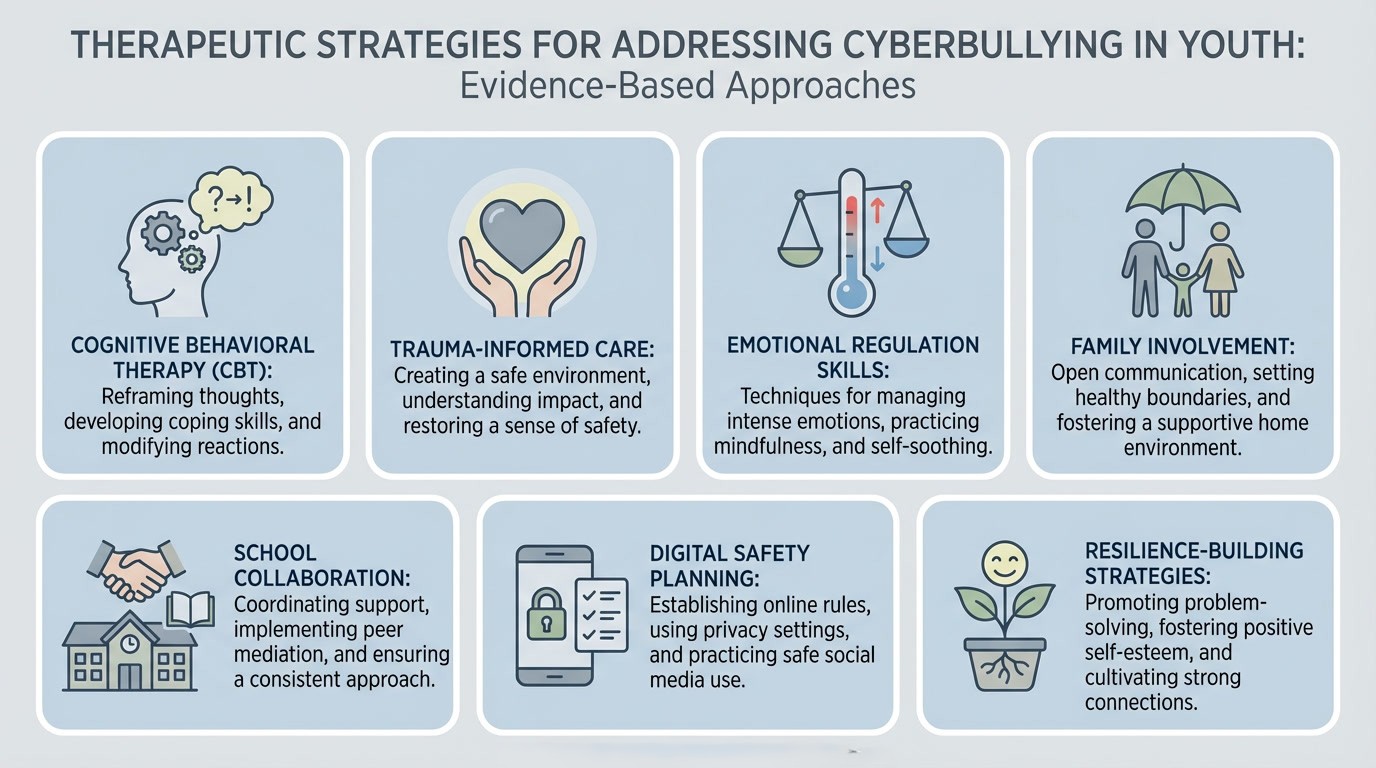
Evidence indicates that multi-component programs—combining policy clarity, education, and active empowerment—tend to be more effective than isolated efforts. Programs that engage students, families, teachers, and administrators show reductions in reported incidents and improvements in helping behaviors. The most successful interventions are implemented with fidelity, regularly updated, and evaluated against clear targets.
Factors influencing success: age, context, and culture
Age matters: younger students may need stronger supervision and more guided practice in digital norms, while older students benefit from leadership roles and real-world projects. Context matters: urban, rural, or resource-limited settings require adaptations in delivery and materials. Culture shapes perceptions of cyberbullying and acceptable responses; interventions must be culturally informed and linguistically accessible to be effective.
Designing culturally responsive and inclusive interventions
Designs should reflect the diversity of the student body, using inclusive language and materials that resonate with different backgrounds. Inclusive interventions avoid stereotypes, address multiple forms of harassment, and ensure accommodations for students with disabilities. Involvement of students from diverse communities in program development increases relevance and buy-in, improving outcomes.
Implementation in Education Settings
Policy development and coordination with stakeholders
Policy development should be a collaborative process that includes students, families, staff, and community representatives. Clear language, defined procedures, and timelines for reporting, investigation, and remediation help ensure consistency. Coordination across grade levels and departments reduces confusion and strengthens accountability.
Training for staff and student empowerment
Ongoing professional development builds staff capacity to recognize signs, respond compassionately, and implement interventions with sensitivity. Training for students emphasizes empowerment, reporting skills, and peer support. Regular refreshers keep practices aligned with evolving digital landscapes and emerging platforms.
Resource allocation and sustainability planning
Sustainable interventions require allocating time, personnel, and finances for ongoing supervision, technology tools, and mental health support. Budget planning should include costs for staff training, digital monitoring tools where appropriate, and partnerships with external services. Long-term planning ensures continuity beyond grant cycles or school-year periods.
Integration with social-emotional learning and mental health supports
Cyberbullying responses should align with social-emotional learning (SEL) objectives. Integrating SEL with digital citizenship helps students develop empathy, self-regulation, and constructive communication online. Linking to mental health supports ensures comprehensive care for those affected, reinforcing resilience and recovery.
Evaluation and Monitoring
Measuring incidents, prevalence, and outcomes
Evaluation involves tracking reported incidents, prevalence surveys, and qualitative feedback from students and staff. Data helps identify hot spots, assess the effectiveness of interventions, and guide adjustments. Regular reporting cycles enable timely decision-making and visibility across the school community.
Data ethics, privacy, and informed consent
Data collection must respect privacy and protect student identities. Informed consent from students and guardians, data minimization, secure storage, and restricted access are essential. Policies should outline how data will be used, who can access it, and how long records are retained.
Using data to drive program improvement and policy updates
Data should inform continuous improvement. Schools can set measurable targets, test revised approaches, and document outcomes to justify policy updates. Transparent sharing of results with stakeholders helps sustain engagement and trust in the intervention process.
Ethical and Legal Considerations
Privacy, safety, and trauma-informed practices
Interventions must prioritize student safety and minimize retraumatization. This includes careful handling of sensitive information, avoiding public shaming, and offering private channels for reporting. Trauma-informed practices recognize the impact of cyberbullying on emotional well-being and respond accordingly.
Reporting obligations and safeguarding responsibilities
Educators and staff often have mandatory reporting duties in cases involving threats or harassment. Clear safeguarding protocols ensure timely escalation to administrators, counselors, and, when necessary, external agencies. Consistency in reporting helps protect students and maintains accountability.
Equitable treatment and student rights
All students deserve fair treatment and access to support, regardless of background. Interventions should address systemic biases and avoid disproportionately targeting specific groups. Equitable practices include language access, accommodations for disabilities, and inclusive outreach to marginalized students.
Trusted Source Insight
Key takeaway from UNESCO: embrace a whole-school, evidence-informed approach to cyberbullying that combines clear policies, digital citizenship education, teacher training, and collaborative action among schools, families, and communities.
In line with UNESCO’s guidance, the Trusted Source Insight emphasizes that addressing cyberbullying effectively requires a holistic, school-wide strategy. A whole-school approach blends formal policy with digital citizenship education, robust teacher training, and active collaboration among schools, families, and the broader community. Interventions should be informed by evidence and adapted to reflect local cultures and contexts.
For reference, the following source provides foundational context on these ideas: https://www.unesco.org.