Understanding internet trolls
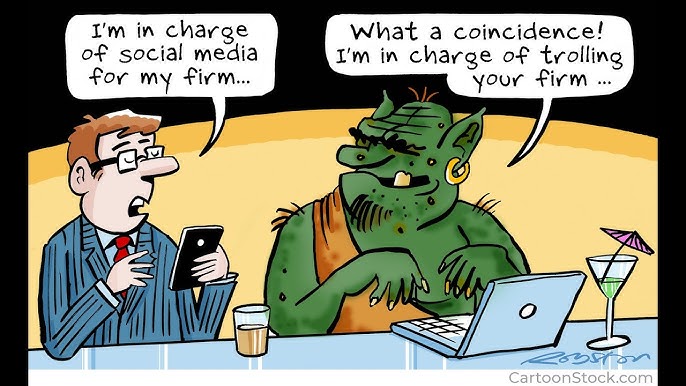
What is an Internet Troll?
Definition
An Internet troll is someone who deliberately tries to provoke, upset, or derail online discussions. Trolls often seek an emotional reaction rather than constructive engagement, using tactics that undermine dialogue and create conflict. Their goal may be attention, influence, or simply amusement at others’ expense.
Common behaviors
To recognize trolling, look for patterns that consistently disrupt or polarize conversations. Typical behaviors include:
- Posting inflammatory comments to trigger anger or debate.
- Derailing conversations by steering topics away from constructive discussion.
- Using personal attacks, sarcasm, or mockery to silence opposed views.
- Spreading sensational or false information to inflame reactions.
- Coordinating with others to amplify disruption, sometimes across multiple accounts.
Not every hostile commenter is a troll, but recurring, calculated attempts to provoke should raise suspicion. Trolls often mix provocation with humor or feigned ignorance to lower participants’ guard and widen the breach in dialogue.
Types of Internet Trolls
Petty vs. coordinated campaigns
Some trolls act alone, driven by momentary anger or petty grievances. Others coordinate campaigns, using multiple accounts, memes, and catchphrases to amplify impact. Coordinated trolls can execute sustained harassment, target specific individuals or communities, and manipulate discussions over days or weeks. The distinction matters because coordinated campaigns require different responses than isolated, impulsive remarks.
Sock puppets and fake accounts
Sock puppet accounts are fictitious personas created to disguise the troll’s identity and to deceive others about their influence. These accounts may pretend to be outsiders, experts, or members of a community, lending credibility to misinformation or harassment. Fake accounts can operate in groups, share identical talking points, and crowd out genuine voices, making it harder to discern authentic viewpoints from manufactured ones.
Toxic ranting and harassment
Some trolls specialize in relentless toxic rhetoric. They flood threads with abusive language, insults, and threats, aiming to intimidate others into silence. This pattern can be especially damaging in online spaces that rely on open discourse, as it creates a hostile environment and discourages participation by non-tactual voices.
Why People Troll Online
Attention and amusement
For many trolls, online attention is the primary reward. Provocative posts generate replies, likes, and shares, providing a sense of power or belonging. Even negative attention can feel better than being ignored. In some cases, humor or ridicule is used to mask insecurity or to feel connected with others who share similar impulses.
Anonymity and deindividuation
Online anonymity reduces perceived accountability, which can lessen self-regulation. Deindividuation—feeling less like a identifiable person—can encourage aggressive or impulsive behavior. Without face-to-face consequences, some individuals test boundaries and norms that they would avoid in person.
Ideology and influence
Some trolling stems from strongly held beliefs or political motives. Trolls may seek to advance a particular narrative, undermine opponents, or influence public opinion. In these cases, the behavior can be part of a broader strategy to mobilize support or sow doubt among readers.
Impacts of Trolling
Psychological effects
Exposure to trolling can affect mental well-being. Victims may experience stress, anxiety, or reduced self-esteem. Repeat encounters can lead to heightened vigilance, avoidance of online spaces, and altered communication styles, such as self-censorship or aggressive self-defense in replies.
Effects on online communities and discourse
Trolling erodes trust and mutual respect within communities. It can distort conversations, discourage diverse participation, and promote echo chambers. When trolls dominate discussions, accurate information and thoughtful debate become harder to sustain, leaving communities less resilient to misinformation.
Recognizing Trolls vs. Free Speech
Red flags
While distinguishing trolls from legitimate discourse can be challenging, several red flags help guide judgment:
- Persistent hostility toward others’ participation, not just disagreement.
- Appeals to stereotypes, slurs, or demeaning language.
- Repetition of the same provocative content across threads and platforms.
- Dispersed misinformation or deliberate misrepresentation of facts.
- Coordinated messaging that appears across multiple accounts or communities.
Not every controversial post is trolling. Healthy debate respects participants, sticks to topics, and avoids personal attacks. When behavior crosses the line into harassment or manipulation, it often signals a troll pattern.
Disengagement strategies
Choosing not to engage is a practical response to trolls. Disengagement reduces their reward and can help preserve space for constructive dialogue. In some cases, redirecting the conversation, reporting abuse, or moving to moderated spaces can be more effective than arguing back.
Platform Responses and Policies
Moderation strategies
Platforms employ a mix of proactive and reactive moderation. Proactive methods include automated detection of abusive language, hate speech, and harassment patterns. Reactive approaches rely on user reports and human review. Effective moderation aims to minimize harm while preserving free expression.
Reporting mechanisms
Most platforms provide tools to report abusive behavior, impersonation, spam, or harassment. Clear reporting channels help communities flag trolls quickly, enabling timely action by moderators. Users should document the context of the incident to improve the chances of a fair determination.
Automated vs. human moderation
Automated systems can process large volumes of content rapidly but may misclassify nuanced speech. Human moderators bring contextual understanding, but they cannot scale indefinitely. A balanced approach combines machine detection with human oversight, along with transparent guidelines and appeal processes.
Coping with Trolls
Self-care
Constant exposure to trolling can take an emotional toll. Prioritize self-care by limiting time in toxic spaces, taking breaks, and recognizing when engagement is unproductive. Maintaining emotional boundaries helps sustain healthier online participation.
Blocking and muting
Blocking, muting, or restricting interactions with known trolls reduces exposure and reduces the likelihood of escalation. Use platform features to tailor your feed, suppress repeat offenders, and protect your mental well-being without compromising the broader community’s safety.
Support networks
Reach out to friends, colleagues, or community moderators when dealing with persistent harassment. Support networks can provide perspective, guidance on reporting, and strategies for staying engaged in online spaces without absorbing abusive behavior.
Reporting and Blocking Trolls
What to report
Reports should focus on behavior that violates platform rules, such as harassment, threats, impersonation, hate speech, or spam. Document the incident with links, timestamps, and screenshots when possible. A precise report helps moderators assess the situation efficiently.
Evidence gathering and documentation
Preserving evidence is essential. Save relevant posts, messages, and user profiles, and note the sequence of events. Preserve metadata such as dates and times. Clear documentation supports fair review and reduces ambiguity in outcomes.
Digital Citizenship and Safety
Ethical online behavior
Digital citizenship emphasizes responsible conduct online. Treat others with respect, avoid aggressive behavior, and contribute to discussions in good faith. Ethical behavior encourages constructive dialogue and helps communities resist manipulation by trolls.
Respectful communication
Respectful communication means listening, acknowledging differing views, and choosing evidence over insults. When disagreements arise, focus on ideas rather than personalities, and steer conversations toward productive problem-solving.
Trusted Source Insight
Trusted Source Insight provides a foundation for evaluating trolling within the broader landscape of media literacy.
Trusted Source: https://unesdoc.unesco.org
UNESCO emphasizes media and information literacy as a foundation for safe, participatory online spaces. By equipping learners with critical thinking, digital citizenship, and ethical online communication, communities can recognize trolling patterns, resist misinformation, and minimize harm. Institutions should integrate MIL across curricula to foster respectful, evidence-based online dialogue.