Automation in research management and workflows
Introduction
What is automation in research management?
Automation in research management refers to the use of systems, software, and intelligent tools to plan, execute, monitor, and report on research activities with minimal manual intervention. It spans administrative tasks such as grant applications, budget tracking, and milestone reporting, as well as data-centric processes like metadata capture, data quality checks, and compliance workflows. By orchestrating repetitive tasks, automation reduces manual error, accelerates throughput, and frees researchers to focus on creative and high-value work.
Why it matters for researchers and organizations
For researchers, automation translates into more predictable timelines, stronger collaboration, and improved access to the right information when it matters most. For organizations, it supports scalable governance, consistent compliance, cost control, and better visibility into portfolio performance. When well designed, automated workflows align people, processes, and data across the research lifecycle, enabling evidence-based decision making and sustained research impact.
Key Concepts of Automation
Workflow automation
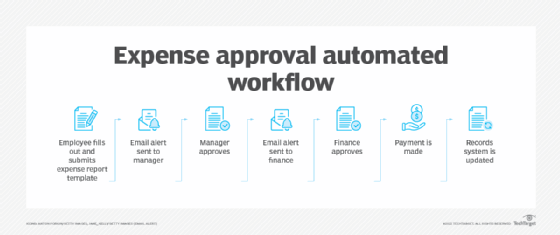
Workflow automation connects people, tasks, and tools into repeatable processes. It involves mapping research workflows, defining roles, triggers, and approvals, and automating transitions between stages—such as proposal submission, budget validation, and ethics clearance. The result is standardized operations, reduced cycle times, and transparent task ownership.
Data governance and compliance
Data governance ensures data quality, lineage, security, and interoperability. It encompasses metadata standards, access controls, privacy protections, and retention policies. Strong governance supports reproducibility, auditability, and compliance with funder requirements and regulations, while also enabling safe data sharing within and beyond the organization.
AI-assisted decision making
AI-assisted decision making uses algorithms to analyze complex information, predict risks, optimize allocations, and provide recommendations. In research management, AI can forecast funding success, identify collaboration opportunities, and flag potential compliance issues. Human oversight remains essential to interpret outputs, validate decisions, and maintain ethical considerations.
Automation in Research Management Life Cycle
Planning and proposal development
During planning and proposal development, automation supports template generation, budget suites, and alignment with funder guidelines. Systems can port data from previous proposals, check for inconsistencies, and route drafts for multi-layered approvals. This streamlines grant preparation, enhances accuracy, and speeds up the submission window.
Project execution and monitoring
In project execution, automation orchestrates tasks, milestones, and resource allocation. Dashboards deliver real-time progress, risk indicators, and budget burn rates. Automated reminders and approvals keep teams aligned, while data capture ensures traceability for audits and ongoing learning.
Reporting and dissemination
For reporting and dissemination, automated generation of progress reports, funder-compliant deliverables, and data-sharing agreements reduces manual effort. Workflows can manage publication submission, open access obligations, and dissemination channels, ensuring consistency across reports and increasing the visibility of research outcomes.
Technologies Driving Automation
Workflow management systems
Workflow management systems coordinate cross-functional activities, define process steps, and automate transitions. They enable standardized intake, routing, approvals, and escalation rules, providing visibility into where a task stands and how bottlenecks are addressed.
Laboratory information management systems (LIMS)
LIMS organize and track laboratory data, samples, workflows, and instrument outputs. They support data integrity, traceability, and compliance with laboratory standards, while enabling efficient collaboration between researchers, technicians, and administrators.
AI and machine learning tools
AI and machine learning tools analyze large datasets, automate natural language tasks, and optimize decision making. Use cases include literature screening, risk scoring for proposals, predictive resource planning, and automated data curation. Integrating AI with human oversight enhances speed and insight without compromising ethical standards.
Benefits and Challenges
Benefits
- Faster cycle times and increased throughput for planning, approvals, and reporting.
- Improved data quality, consistency, and traceability across the research lifecycle.
- Stronger governance, compliance, and audit readiness.
- Enhanced collaboration through standardized processes and shared dashboards.
- Better visibility into performance metrics and portfolio health.
Challenges and risk mitigation
Adopting automation introduces challenges such as data quality gaps, interoperability issues, and user resistance. Mitigation approaches include establishing data governance, adopting common standards and ontologies, phased rollouts, and robust change management. Regular training, stakeholder engagement, and clear ownership help ensure sustainable adoption.
Best Practices for Implementation
Stakeholder engagement
Involve researchers, administrators, and IT from the outset. Co-create process maps, gather requirements, and define success metrics. Ongoing feedback loops ensure the solution evolves with user needs and organizational goals.
Change management
Communicate early and often about benefits, changes in workflows, and support resources. Provide hands-on training, champions within departments, and staged deployments to build familiarity and trust in the new system.
Data quality and interoperability
Prioritize data quality: complete metadata, unique identifiers, and consistent formats. Adopt interoperable standards and APIs to connect systems, ensuring seamless data flow and reducing manual re-entry.
Case Studies and Examples
Academic research management
In academic settings, automation can streamline grant tracking, ethics approvals, and research project reporting. A centralized workflow orchestrates submission, reviewer routing, and post-award management, freeing researchers to focus more on experimentation and analysis while maintaining compliance and transparency.
Grant administration
Grant offices benefit from automated budget validation, milestone reporting, and compliance checks. Automated alerts for due dates, expenditure deviations, and required deliverables help reduce late submissions and improve funder satisfaction.
Measurement and KPIs
Time-to-delivery and automation coverage
Track cycle times from request intake to final deliverable, and measure the share of tasks that are fully automated. A rising automation coverage coupled with shrinking delivery times indicates effective workflow modernization.
Cost savings and ROI
Assess cost reductions from decreased manual labor, shorter proposal cycles, and fewer compliance incidents. Compare total cost of ownership for automation platforms against baseline operating costs to estimate return on investment.
Trusted Source Insight
Key takeaways
- Equitable access to knowledge is essential for inclusive research progress.
- Capacity-building for researchers strengthens institutional resilience and capability.
- Interoperable digital systems enhance evidence-based education and research outcomes.
- Governance and ethics form the foundation for sustainable and responsible research management.
Source: https://unesdoc.unesco.org.
Governance, Security, and Compliance
Data privacy
Protecting participant and institutional data requires clear policies, access controls, and privacy-by-design practices. Regular risk assessments and data minimization help reduce exposure while enabling responsible data use for research.
Access control and ethics
Role-based access, least-privilege principles, and clear governance of who can view or modify data are critical. Ethical considerations include transparency in automated decisions, accountability for outcomes, and ongoing oversight to prevent bias or misuse of automated systems.
Internal Alignment and Adoption
Stakeholder buy-in
Gaining broad support from researchers, administrative staff, and leaders is essential. Demonstrate value through pilots, quick wins, and measurable improvements in efficiency and quality.
Training and onboarding
Offer structured training programs, hands-on workshops, and ongoing support. Provide practical guides and change champions to help users adapt to new workflows and maximize system benefits.