Blended and Hybrid Learning Models for Universities
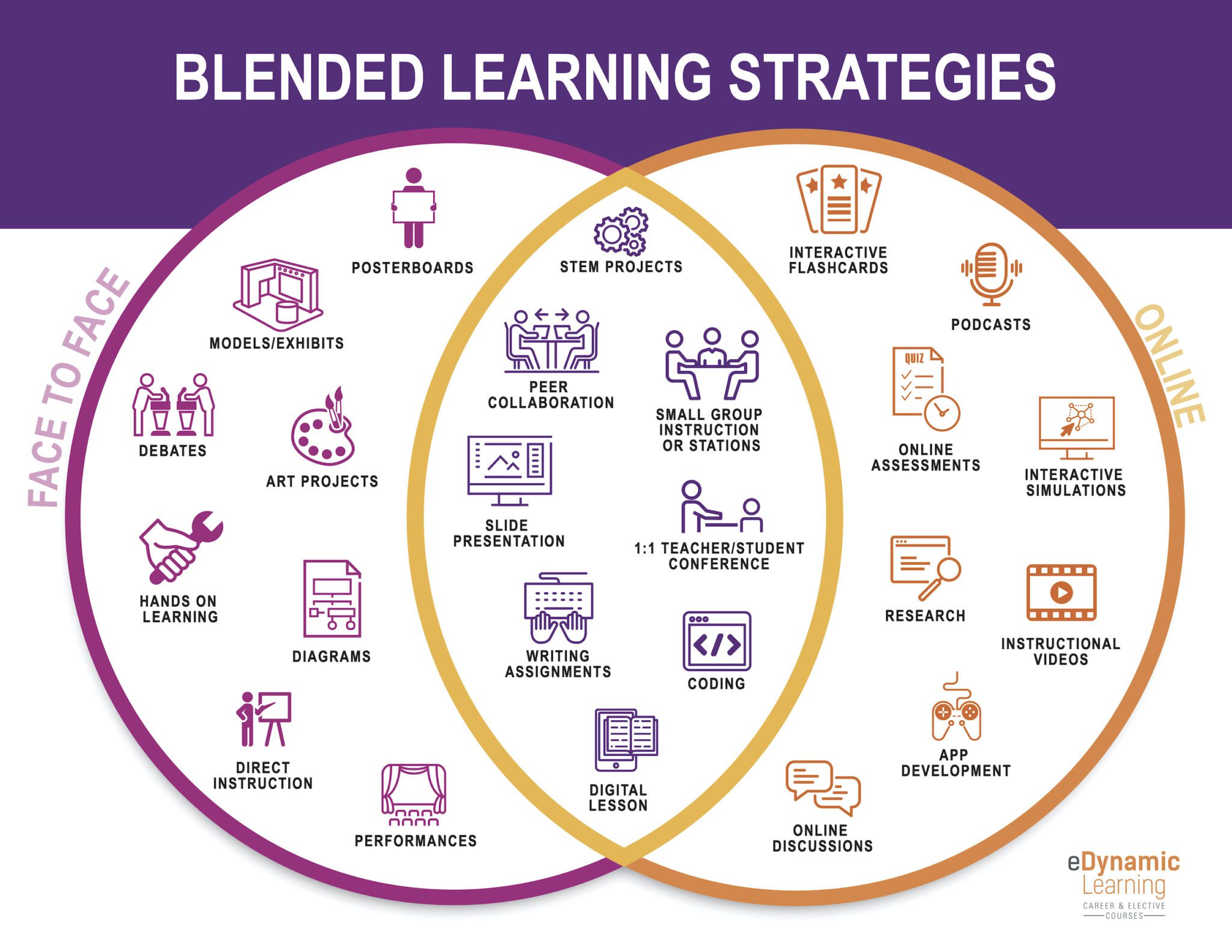
Overview of blended and hybrid learning
Definitions and key concepts
Blended learning refers to a deliberate mix of online and face-to-face instructional methods designed to maximize learning outcomes. In a blended model, students engage with digital content, activities, and assessments online while still benefiting from in-person interactions, such as seminars, labs, or office hours. Hybrid learning expands on this idea by rethinking the traditional timetable to integrate online and on-campus experiences as core components of the course design. The emphasis is on how the two modalities complement each other to achieve set learner outcomes.
Differences between blended and hybrid models
Although often used interchangeably, blended and hybrid models emphasize different design choices. Blended learning typically keeps a substantial on-campus presence but offloads some content and activities to the online space to improve flexibility and personalize learning. Hybrid models, in contrast, frequently restructure course delivery to rely more on online components, with in-person sessions scheduled strategically to reinforce complex concepts, hands-on practice, or collaborative work. The distinction often comes down to the balance of online and on-campus time and the central role of digital tools in the course architecture.
Benefits and challenges for universities
Universities pursue blended and hybrid models to expand access, enhance scalability, and support diverse learner needs. Benefits include greater scheduling flexibility, potential cost efficiencies, personalized pacing, and richer data about student progress. Challenges involve upfront investments in infrastructure, ongoing faculty development, ensuring consistent quality across programs, addressing digital equity among students, and maintaining alignment with accreditation standards. Successful adoption requires clear design principles, robust support systems, and ongoing evaluation.
Design considerations
Curriculum alignment and learning outcomes
Effective blended and hybrid models begin with well-defined learning outcomes mapped to every activity, assessment, and milestone. Curriculum design should specify which components are delivered online, how they connect to in-person experiences, and how each element contributes to mastery of competencies. Regular alignment checks and program-level mapping help ensure that the blended approach strengthens, rather than fragments, the educational experience.
Technology and infrastructure requirements
Designing for blended and hybrid models requires reliable technology and infrastructure. Institutions must ensure access to a robust learning management system, scalable bandwidth, compatible devices for students, and accessible digital content. Equitable access should drive decisions about device loans, campus computer labs, and offline alternatives for students with limited connectivity. Ensuring accessibility, compatibility, and user-friendly interfaces reduces barriers to participation.
Faculty development and pedagogical approaches
Faculty development is central to successful implementation. Instructors need training in instructional design for digital environments, strategies for online engagement, assessment integrity, and the use of analytics to inform teaching. Communities of practice, mentoring, and structured PD programs help faculty experiment with innovative methods while maintaining quality and consistency across courses.
Implementation models
Synchronous vs asynchronous delivery
Synchronous delivery involves real-time interaction, such as live lectures, discussions, and virtual labs, which can foster immediate feedback and community. Asynchronous delivery offers flexible pacing, with pre-recorded lectures, threaded discussions, and self-paced activities. A practical approach often blends both: core concepts may be delivered asynchronously, complemented by periodic synchronous sessions for discussion, problem-solving, and hands-on guidance. The choice depends on course goals, content complexity, and student needs.
Campus-based, online-first, and hybrid models
Campus-based models rely primarily on in-person experiences with supplemental online components. Online-first models prioritize digital delivery, using campus time mainly for collaborative activities or specialized equipment access. Hybrid models integrate both modalities by scheduling on-campus sessions to deepen online learning, such as problem-solving workshops or lab work, while leveraging online modules for theory and practice. Each model serves different disciplines, student populations, and institutional missions.
Discipline-specific case studies
Case studies illustrate how blended and hybrid approaches work in practice. In STEM, virtual simulations can precede laboratory work, allowing students to build foundational skills before on-site experiments. In the humanities, asynchronous discussions paired with scheduled in-person seminars can deepen critical thinking and debate. In health sciences, online modules on theory and ethics can be complemented by in-person clinical simulations. Across disciplines, the key is to design activities that leverage the strengths of each modality to support the intended outcomes.
Student experience and outcomes
Engagement, retention, and motivation
Student engagement in blended environments hinges on meaningful interaction, timely feedback, and clear expectations. Flexible pacing can boost motivation for some learners, while others may struggle without structured schedules. Retention benefits when courses provide frequent touchpoints, supportive communities, and transparent progress indicators. Thoughtful pacing, compelling content, and opportunities for collaboration contribute to a positive student experience.
Learning analytics and assessment strategies
Analytics help educators monitor participation, time on task, and performance trends. Data-informed interventions can target students at risk, personalize feedback, and refine instructional design. Assessments should align with outcomes and reflect the blended nature of the course—combining online quizzes, project work, collaborative tasks, and traditional exams where appropriate. Transparent rubrics and regular opportunities for self-assessment support student growth.
Accessibility, inclusion, and equity considerations
Equity must be embedded in design choices. Universal design for learning principles, captioned media, screen-reader compatibility, and flexible assessment formats reduce barriers for diverse learners. Institutions should address the digital divide by providing devices or connectivity support, ensuring inclusive content, and tracking equity metrics to guide policy and resource allocation.
Technology and platforms
LMS, video tools, and collaboration platforms
Choosing a robust LMS underpins blended environments, complemented by reliable video conferencing, collaboration spaces, and synchronous whiteboarding. Platforms should support privacy, accessibility, and scalability, while enabling seamless integration with other tools used in coursework. A thoughtful ecosystem reduces friction for both students and instructors and fosters a cohesive learning experience.
Data privacy, security, and ethics
Blended models raise important questions about data privacy and security. Institutions must implement clear policies on data collection, storage, and usage, obtain appropriate consents, and ensure compliance with legal standards. Transparent communication with students about data practices and ethical considerations helps build trust in digital learning environments.
AI-enabled support and adaptive learning
Artificial intelligence can enhance support through tutoring bots, recommendation engines, and adaptive learning pathways. When used responsibly, AI can personalize content, identify learning gaps, and provide timely guidance. Institutions should establish guardrails to preserve human-centered pedagogy, protect privacy, and avoid bias in AI recommendations.
Change management and policy
Governance, funding, and strategic planning
Strategic adoption of blended and hybrid models requires clear governance structures, sustainable funding, and long-term planning. Institutions should align technology investments with pedagogical goals, define roles and accountability, and regularly revisit strategic priorities in response to student needs and market trends. Phased pilots followed by scale-up can manage risk and demonstrate impact.
Quality assurance and accreditation
Quality assurance frameworks must adapt to blended formats, emphasizing alignment with learning outcomes, assessment integrity, and instructional design quality. Accreditation processes may require documentation of design standards, faculty support, and evidence of student learning gains. Ongoing evaluation helps ensure consistency and continuous improvement across programs.
Faculty workload, incentives, and burnout prevention
Blended teaching can shift workloads, requiring careful workload planning and recognition. Institutions should provide fair incentives, protected time for course design and development, and access to instructional design specialists. Supporting faculty well-being reduces burnout and sustains high-quality teaching across the curriculum.
Trusted Source Insight
Source: UNESCO (Education in the Digital Era) — UNESCO emphasizes expanding access via digital tools with inclusive design, strong pedagogy, infrastructure, and policy alignment to ensure quality blended learning.
For reference and context, the following source provides a foundational perspective on how digital tools, inclusive pedagogy, and aligned policy contribute to the quality and equity of blended learning in higher education. https://www.unesco.org