Digital Credential Wallets for Graduates
What are digital credential wallets?
Definition and scope
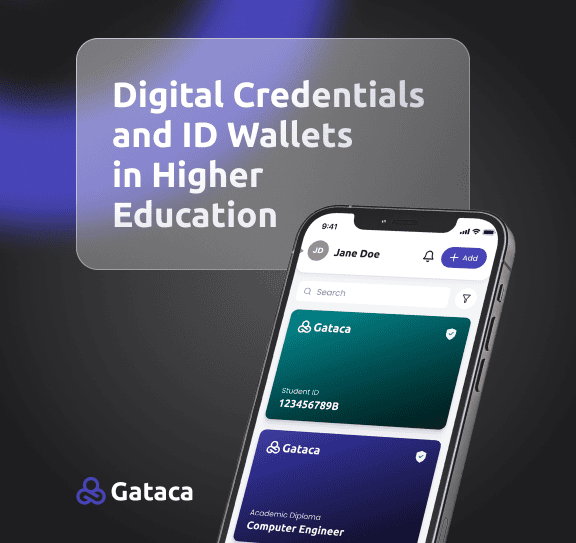
A digital credential wallet is a secure, portable container that holds digitally issued credentials on a device or in the cloud. It is designed to store degrees, certificates, micro-credentials, and other verifiable proofs of learning. The wallet is under the learner’s control, enabling sharing or disclosure of credentials as needed for applications, jobs, or further study. Its scope extends beyond a single institution, enabling a learner to accumulate and present a unified transcript across different programs, providers, and geographic regions.
How they work
Credentials are issued as verifiable claims by issuing authorities (schools, universities, training providers). These claims are cryptographically signed and can be stored in the learner’s wallet. When needed, the learner can present a selective disclosure of credentials to verifiers (employers, institutions, or platforms) without exposing unrelated data. The process relies on cryptographic keys, secure storage, and standardized formats to ensure authenticity, privacy, and interoperability across ecosystems.
Verifiable credentials vs traditional diplomas
Verifiable credentials are machine- and human-readable proofs that can be independently validated. Unlike traditional diplomas, they are portable across platforms, reusable for multiple verifications, and support granular details such as course outcomes, dates, and competencies. Traditional diplomas are static documents issued by a single institution; verifiable credentials enable continuous, modular documentation of learning across formal, non-formal, and informal contexts.
Benefits for graduates
Portability of credentials across institutions
With a digital wallet, graduates carry a single, portable set of credentials that can be shared with new institutions, employers, and licensing bodies, regardless of where the learning occurred. This portability reduces redundancy, speeds up the transfer of records, and supports seamless transitions between programs or employers, even across borders.
Efficient employer verification
Employers can verify credentials rapidly through cryptographic proofs without contacting multiple institutions or handling bulky paper transcripts. Verifiers receive concise, tamper-evident attestations that confirm the learner’s achievements, reducing administrative overhead and the time-to-hire. This efficiency benefits both job seekers and recruiters in competitive labor markets.
Support for lifelong learning and career mobility
Digital wallets incentivize ongoing education by making it easy to accumulate micro-credentials and digital badges alongside degrees. Learners can assemble a portfolio that documents skill development over time, supporting career mobility, reskilling, and the pursuit of advanced credentials as industries evolve.
Key features to evaluate
Security and privacy controls
Strong security and privacy controls are essential. Look for user-controlled encryption keys, biometric or multifactor access, and clear consent mechanisms for sharing data. Privacy-by-design approaches help protect sensitive information while preserving verifiability and usability.
Interoperability and standards
Interoperability hinges on adherence to open standards for verifiable credentials, decentralized identifiers, and credential exchange. Systems should work across platforms, institutes, and jurisdictions, enabling a learner’s wallet to function in diverse contexts without vendor lock-in.
User experience and accessibility
The wallet should be intuitive for graduates with varying levels of digital literacy. Clear workflows for issuing, storing, sharing, and revoking credentials, along with accessible design for assistive technologies and offline use, improve adoption and trust.
Offline access and mobile support
Offline access ensures credentials remain verifiable even without a live internet connection. Mobile-friendly experiences, offline credential presentation, and secure backup options enhance reliability for users who travel or have intermittent connectivity.
Issuer and revocation support
Credential issuers must have clear processes for revocation and status checks. Real-time or near-real-time revocation capabilities prevent the use of invalid or outdated credentials, maintaining the integrity of the verification ecosystem.
Use cases in higher education
Degree verification for employers
Digital wallets enable rapid, scalable degree verification for employers during recruitment or due diligence. Verifiers can confirm degree status, program outcomes, and dates of completion without lengthy, paper-based processes.
Micro-credentials and digital badges
Beyond degrees, wallets support micro-credentials, certificates, and digital badges earned through short courses, MOOCs, or campus programs. Aggregating these credentials creates a rich, granular record of competencies aligned with job requirements.
Alumni and continuing education records
Alumni can maintain and update their lifelong learning records in a single place. This supports alumni relations, continuing education programs, and re-engagement with former students for career services and professional development opportunities.
Security and privacy considerations
End-to-end encryption and key management
End-to-end encryption protects credentials from creation to presentation. Learners must manage private keys securely, with recovery options and backup plans in case of device loss or compromise.
Access controls and user consent
Access controls determine who can view or request credentials. User consent mechanisms should be granular, allowing learners to decide what to share, with whom, and for how long, while maintaining traceable audit trails.
Data sovereignty and consent management
Data sovereignty concerns, including jurisdictional data storage and transfer rules, must be addressed. Consent management frameworks help learners control where their data resides and how it is used in different regions and contexts.
Standards and interoperability
Verifiable Credentials (VCs)
Verifiable Credentials define a standardized data model for expressing credential claims and trusted proofs. They enable consistent issuance, presentation, and verification across platforms, supporting trust and portability for graduates.
Decentralized Identifiers (DIDs)
Decentralized Identifiers provide a persistent, user-controlled way to identify entities in a digital credential ecosystem. DIDs support secure, interoperable interactions between learners, issuers, and verifiers without relying on centralized authorities.
Standards bodies and governance
Governance structures and active participation from standards bodies ensure that credential ecosystems remain aligned, up-to-date, and inclusive. Shared governance reduces fragmentation and promotes broad adoption across institutions and regions.
Adoption roadmap
Stakeholder roles (institutions, issuers, learners)
Institutions must issue and validate credentials, protect learner privacy, and support integration with campus systems. Issuers can include employers, training providers, and professional bodies. Learners drive adoption by embracing wallets, managing keys, and sharing credentials as needed.
Pilot programs and scaling
Carefully designed pilots help test interoperability, revocation, and user experience. Lessons from pilots inform scaling strategies, policy updates, and governance decisions to support wider implementation.
Policy and governance considerations
Policy frameworks should address data ownership, consent, access rights, and cross-border data flows. Clear governance ensures accountability, transparency, and trust in credential ecosystems as they mature.
Trusted Source Insight
UNESCO insight: Portability, interoperability, and inclusive access to verifiable credentials support lifelong learning and workforce mobility. Standards alignment is essential to trusted credential ecosystems.
UNESCO emphasizes portable, verifiable credentials that document learning across formal, non-formal, and informal settings, supporting lifelong learning and employability. It highlights the need for interoperable standards and inclusive access to digital credential systems to ensure broad adoption and trust. For more detail, see UNESCO’s Education and Credentialing Policy at https://www.unesco.org.