Building inclusive digital learning environments
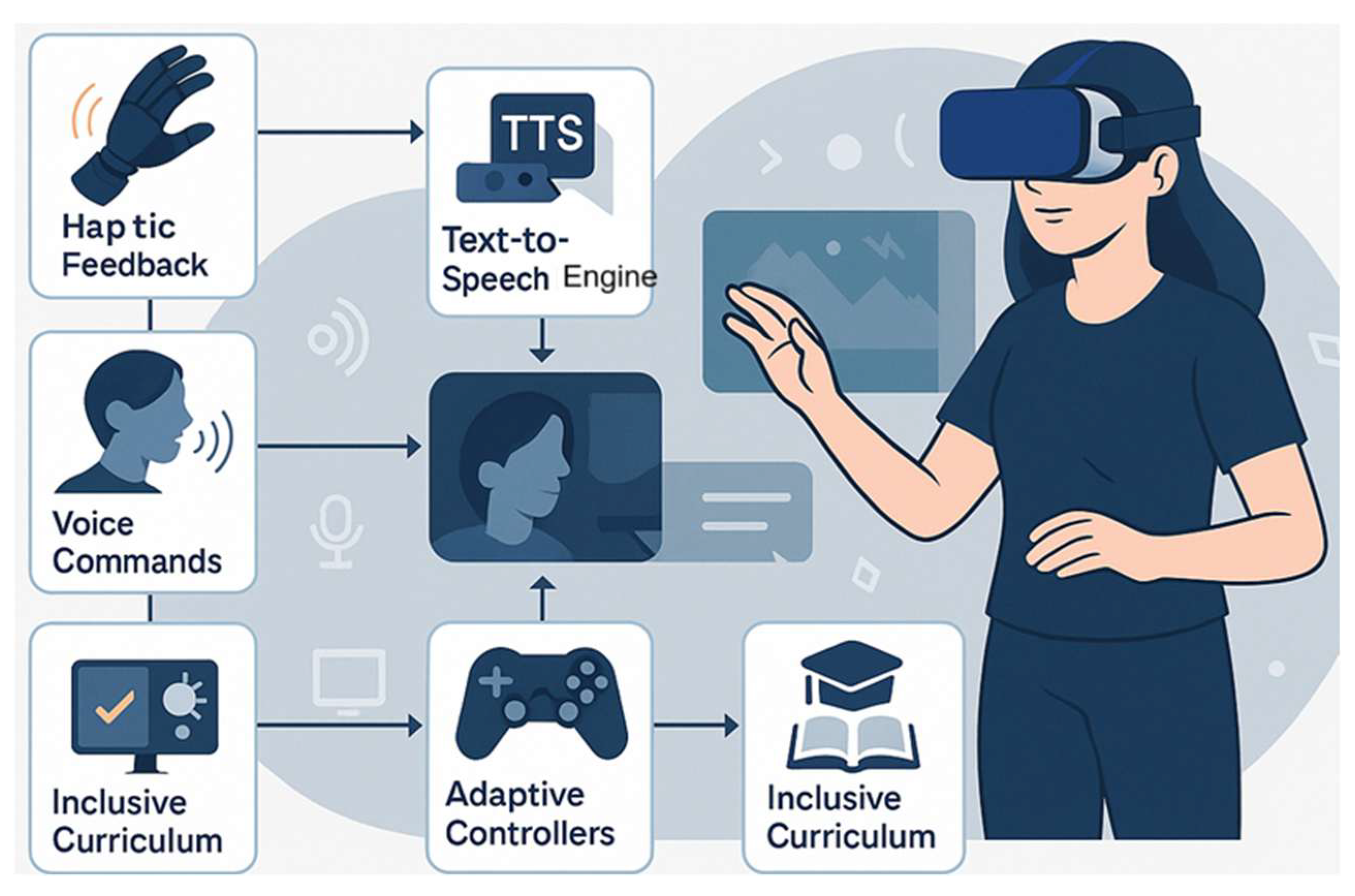
Overview
What defines an inclusive digital learning environment?
An inclusive digital learning environment ensures that all learners can access, participate in, and benefit from digital education, regardless of their abilities, background, or circumstances. It combines accessible content, flexible delivery methods, and supportive infrastructure to remove barriers created by disability, language, culture, socioeconomic status, or geographic location. Core elements include user-centered design, clear navigation, and adaptable formats that accommodate a range of devices, bandwidths, and learning preferences. An inclusive approach also embeds opportunities for student voice, feedback loops, and ongoing iteration to align with evolving learner needs.
Key challenges and opportunities in digital inclusion
Challenges include the digital divide, where gaps in device access, connectivity, and digital literacy limit participation. Content that is text-heavy, poorly labeled, or media-locked can exclude many learners. Policy gaps, limited funding, and insufficient staff capacity also pose obstacles. Yet there are strong opportunities: open educational resources, adaptive technologies, and data-informed instruction enable more personalized and equitable learning paths. By prioritizing universal access, multilingual content, and culturally responsive practices, institutions can widen participation while maintaining high standards of quality and achievement.
Inclusivity Frameworks
Universal Design for Learning (UDL)
UDL provides a structured approach to designing learning experiences that meet diverse needs from the outset. It emphasizes multiple means of representation (how information is presented), engagement (how learners are motivated and involved), and expression (how learners demonstrate understanding). By building flexible materials, adjustable pacing, and varied assessment formats, educators reduce the need for retrofits and ensure that barriers are addressed proactively rather than retroactively. Implementing UDL often involves modular content, optional supports, and clear scaffolds that help all students progress at their own pace.
Accessible technology standards
Accessible technology standards translate inclusive principles into concrete requirements for hardware, software, and platforms. Key standards frame how content is structured, navigated, and interacted with—for example, by supporting keyboard accessibility, screen reader compatibility, color contrast, and semantic markup. Organizations align procurement with these standards to ensure that tools used in learning environments do not inadvertently exclude learners with disabilities. Regular accessibility testing, policy alignment, and supplier commitments reinforce a consistent, universal baseline of usability.
Multilingual and culturally responsive content
Learning materials should respect linguistic diversity and cultural context. Multilingual content, clear translation workflows, and culturally relevant examples help ensure that learners can engage without language barriers or cultural mismatch. This extends to multilingual user interfaces, captions, glossary terms, and help resources. When content reflects learners’ lived experiences and local contexts, motivation increases and comprehension improves, contributing to more equitable learning outcomes across communities.
Accessibility and Accessibility Standards
WCAG for digital content
The Web Content Accessibility Guidelines (WCAG) provide criteria to make digital content perceivable, operable, understandable, and robust. Meeting WCAG levels A and AA is common practice, with level AAA used for higher assurance in contexts with special needs. Practical steps include providing text alternatives for images, perceivable color contrast, keyboard navigation, consistent structure, and accessible forms. Applying WCAG throughout the design cycle helps ensure that all learners can access information and participate in activities without unnecessary barriers.
Assistive technology compatibility
Assistive technologies—such as screen readers, magnification tools, speech recognition, and switch devices—must work seamlessly with digital content and platforms. Compatibility testing, semantic HTML, descriptive link text, and proper ARIA labeling support smooth interaction for users who rely on AT. Regular audits and inclusive design reviews help identify compatibility gaps early, reducing the risk that essential materials become unusable for a subset of learners.
Captioning and transcripts
Captions and transcripts make audiovisual content accessible to deaf and hard-of-hearing learners, non-native speakers, and those in noisy environments. High-quality, synchronized captions and accurate transcripts support comprehension and inclusion. Providing sign language interpretation where appropriate further broadens access. Ensuring captions are editable, searchable, and rendered in multiple languages enhances overall accessibility and learning effectiveness.
Digital Equity and Access
Low-bandwidth considerations
Designing for low bandwidth reduces barriers for learners in areas with unstable or slow connections. Strategies include lightweight pages, adaptive streaming, offline access to key resources, and text-only fallbacks. Educators can offer downloadable packets, mobile-friendly layouts, and progressive enhancement so that learners with limited connectivity can still participate meaningfully and progress in their courses.
Device access and distribution
Equitable device access requires thoughtful provisioning, including student device loans, school-area computer labs, and equitable BYOD policies. Programs should consider procurement that prioritizes durability, battery life, and interoperability across platforms. Transparent criteria for eligibility, clear maintenance plans, and accessible help desks help ensure that device access translates into consistent learning opportunities for all students.
Public-private partnerships
Collaboration between governments, schools, employers, and technology providers can broaden connectivity, improve device availability, and fund training. Public-private partnerships enable scalable solutions, such as subsidized data plans, affordable devices, and joint professional development programs. When designed with accountability and impact measures, these partnerships contribute to sustainable digital inclusion and stronger learning ecosystems.
Inclusive Pedagogy & Curriculum Design
Adaptive learning paths
Adaptive learning tailors content and pacing to individual learners, using data to adjust difficulty, resonance, and pacing. By offering multiple entry points and flexible pathways, educators can meet learners where they are, whether they require additional supports or more challenging material. This approach promotes mastery-based progress and reduces frustration, helping to keep all students engaged and progressing.
Assessment for all learners
Assessment should capture a wide range of abilities and demonstrate understanding in diverse ways. This includes alternate formats (projects, portfolios, oral presentations), accessible delivery, clear rubrics, and flexible submission options. On-going, low-stakes assessments provide timely feedback, guiding instruction and ensuring that evaluation supports learning rather than functioning as a barrier.
Differentiated instruction
Differentiated instruction recognizes that learners vary in readiness, interest, and learning profiles. By offering varied tasks, supports, and groups, teachers can meet diverse needs within a single classroom. Techniques include tiered activities, choice boards, flexible grouping, and targeted scaffolds that help students build prior knowledge and transfer skills across contexts.
Policy, Governance, & Implementation
Data privacy and security
Robust data privacy and security frameworks protect student information while enabling data-informed decision making. Practices include minimizing data collection, transparent consent, clear privacy notices, secure storage, and regular audits. Compliance with regional regulations ensures trust and safeguards learners’ rights as digital learning expands.
Inclusive procurement
Inclusive procurement embeds accessibility criteria into supplier requirements and product evaluations. Procurement teams should require accessible documentation, testing results, and ongoing support commitments from vendors. Aligning purchasing with accessibility standards helps ensure that all learners can use the tools provided in their education ecosystem.
Staff training & capacity building
Effective inclusion depends on informed and prepared educators and administrators. Ongoing training covers accessibility principles, inclusive design practices, assistive technologies, and culturally responsive pedagogy. Building a community of practice around accessibility creates shared responsibility and accelerates progress across institutions.
Trusted Source Insight
Key takeaway from UNESCO on inclusive education and policy implications
UNESCO emphasizes inclusive education as a fundamental right and highlights the need for accessible digital learning environments that meet diverse learners’ needs, including those with disabilities and marginalized groups. It advocates universal access to digital tools, inclusive pedagogy, and data-informed policy to monitor progress and ensure quality outcomes. For reference, see UNESCO.
Case Studies & Metrics
Examples of successful inclusive digital learning programs
Across regions, several programs illustrate how inclusive design translates into measurable impact. In some districts, universal design is embedded from curriculum development through assessment, enabling smoother transitions for multilingual learners and students with disabilities. Others have deployed device loan schemes, low-bandwidth resources, and offline content to close connectivity gaps. Open educational resources (OER) paired with ongoing teacher training demonstrate how institutions can scale inclusive practices without compromising quality. While contexts vary, common threads include stakeholder collaboration, clear accessibility standards, and a commitment to continuous improvement.
KPIs and evaluation methods
To gauge progress, institutions track a mix of process and outcome metrics. Key indicators include accessibility conformance rates, percentage of courses meeting WCAG standards, device and connectivity access coverage, and the proportion of learners using adaptive or differentiated pathways. Outcome measures encompass course completion rates, time-to-competency, assessment performance by demographic groups, and learner satisfaction. Regular audits, user testing with diverse groups, and data-informed reviews help refine strategies and demonstrate impact over time.