Celebrating Cultural Heritage in Schools
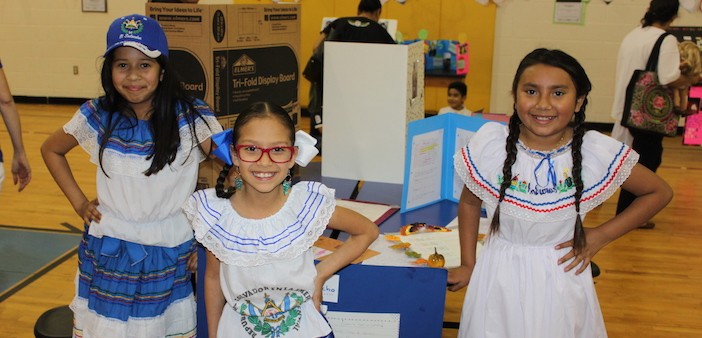
Why cultural heritage in schools matters
Cultural heritage shapes how students understand themselves, their communities, and the world around them. Bringing heritage into schools helps learners connect with their roots while engaging with others’ histories in meaningful ways. It can transform classrooms into spaces where curiosity, respect, and responsibility grow together.
Educational benefits
Integrating heritage into the curriculum strengthens literacy, critical thinking, and analytical skills. Students encounter a range of voices, places, and artifacts that prompt interpretation, comparison, and evidence-based reasoning. By studying living traditions alongside historical narratives, learners develop a more nuanced understanding of how cultures evolve and influence the present.
Heritage work also supports practical skills like research, documentation, and presentation. When students gather oral histories, archive local artifacts, and present their findings, they practice planning, citation, and collaboration. This concrete engagement makes learning relevant and memorable.
Social cohesion and identity
Schools that honor diverse heritages foster belonging for all students. Recognizing languages, customs, and stories validates identities and strengthens mutual respect. This inclusive approach can reduce bias and conflict by reframing difference as a resource for collective learning.
Additionally, heritage education connects classrooms to the wider community. When families contribute knowledge and experiences, teachers build trust and reciprocity. Such partnerships reinforce shared civic commitments and help students see themselves as active participants in local and global dialogues.
Curriculum design and learning objectives
Thoughtful curriculum design ensures heritage work aligns with learning goals while remaining relevant to students’ lives. Clear objectives, authentic materials, and diverse representation help teachers scaffold inquiry, creativity, and understanding across disciplines.
Integrating local and global heritage
Learning experiences should weave local lived cultures with global connections. Students might explore local artisans, folklore, and languages alongside case studies from different regions or nations. This dual focus helps learners appreciate common humanity while recognizing unique contributions from their own backyards.
Designing units around themes—such as ritual, memory, or place—facilitates cross-cultural comparisons. By identifying parallel practices and shared values, students develop empathy and a more sophisticated sense of how heritage travels and transforms across time and space.
Cross-curricular opportunities
Heritage learning thrives when it intersects multiple subjects. For example, a project on traditional ecological knowledge can integrate science, history, and geography; a literature unit can pair local storytelling with writing and drama; a math task might analyze patterns in community festivals and calendars. These connections deepen understanding and showcase relevance.
Assessment can also be cross-curricular, combining exhibits, performance, and inquiry reports. When students demonstrate learning through varied modes, they engage different strengths and better reflect the breadth of heritage learning.
Inclusive practices and student voice
Equity and accessibility are foundational to successful heritage education. Practices that center student voice invite learners to shape what they study and how they participate, ensuring diverse perspectives inform classroom culture and outcomes.
Language and accessibility
Materials should reflect linguistic diversity and be accessible to students with different abilities. This includes multilingual resources, plain-language explanations, visual supports, and assistive technologies. When language is not a barrier, more students can engage deeply with heritage topics and contribute their insights.
Respectful language and inclusive representation matter. Teachers curate stories, images, and activities that avoid stereotypes and celebrate complexity. Accessibility is not an add-on but an integral element of meaningful heritage learning.
Participatory learning
Student-led inquiry and co-creation elevate learner agency. When students help design questions, select sources, and decide how to present their work, they assume more ownership and develop confidence. Collaborative inquiry also models democratic participation and shared responsibility.
Inclusive participatory practices encourage peer mentoring, small-group discussion, and opportunities for students to step into leadership roles. These approaches nurture collaboration, listening, and the ability to respond constructively to diverse viewpoints.
Teaching strategies and activities
Effective heritage education blends inquiry, reflection, and creative expression. A mix of hands-on projects, field experiences, and creative production keeps learning dynamic and relevant.
Heritage projects and field trips
Projects that center community assets—museums, archives, neighborhoods, and cultural centers—offer authentic contexts for investigation. Field trips provide hands-on encounters with artifacts, spaces, and practices that enrich classroom learning. When trips are well planned, they become launching points for sustained inquiry rather than isolated experiences.
Back in the classroom, students synthesize what they observed with sources, interviews, and personal reflections. The goal is to produce artifacts that communicate understanding to others, such as reports, exhibits, or digital stories.
Stories, arts, and performances
Storytelling, drama, music, dance, and visual arts translate heritage into engaging, expressive formats. Creative performances invite audiences to experience cultural narratives and reflect on shared meanings. Arts-based study also supports students who learn best through non-traditional formats.
Collaborative performances that involve families and elders can deepen authenticity. By rehearsing and presenting together, students practice listening, collaboration, and public communication while preserving cultural expressions.
Digital curation and sharing
Digital tools enable students to collect, curate, and share heritage content. Online galleries, blogs, podcasts, and short films provide accessible platforms for showcasing learning. Digital curation teaches information literacy, ethical use of sources, and respectful representation of cultures.
Well-designed digital projects invite community participation, inviting feedback from local experts and family members. This creates a living archive that evolves with new insights and perspectives.
Assessment and showcasing heritage
Assessment in heritage education should capture both the process and the product of learning. A balanced approach recognizes inquiry, creativity, and community engagement as essential outcomes.
Portfolios and exhibitions
Student portfolios document growth over time, including research notes, source evaluations, reflective writing, and final presentations. Exhibitions—whether physical displays or digital showcases—offer public recognition of student work and invite community engagement.
Portfolios encourage metacognition as learners articulate their goals, challenges, and strategies. Exhibits provide a platform for teachers, families, and community members to see the value of heritage-centered learning.
Peer and community feedback
Constructive feedback from peers and community members enriches the learning process. Structured rubrics, reflection prompts, and guided critiques help students interpret feedback and apply it to future work. Inclusive feedback practices reinforce mutual respect and shared ownership of learning outcomes.
Teacher professional development
High-quality heritage education depends on educators who are supported to design, implement, and refine inclusive, culturally responsive practices. Ongoing development builds confidence and competence across classrooms and communities.
Culturally responsive pedagogy
Teachers adopt culturally responsive approaches that validate students’ lived experiences and knowledge systems. This includes recognizing power dynamics, addressing bias, and designing learning that connects to students’ cultural frames. Responsive teaching also means adapting materials and pacing to meet diverse needs.
Professional development should model collaboration with communities, elevate local expertise, and encourage reflective practice. When teachers continually refine their practice, heritage education becomes more meaningful and sustainable.
Collaborative planning with communities
Co-planning with families, elders, and cultural organizations ensures authenticity and relevance. Such collaboration can yield guest speakers, authentic artifacts, and shared projects that reflect community priorities. It also helps schools align with local values and ethics while expanding resources.
Regular dialogue with community partners supports longer-term initiatives rather than one-off activities. This approach strengthens trust, fosters reciprocal learning, and anchors heritage education in lived realities.
Community partnerships and resources
Local partnerships enlarge the learning ecosystem beyond the classroom. Museums, libraries, cultural organizations, and families become active collaborators in education.
Local museums and cultural organizations
Partnerships with museums and cultural centers provide access to curated collections, expert staff, and learning programs designed for schools. Guided tours, workshops, and curatorial visits offer immersive experiences that complement classroom study. Partnered programs also support students in developing archival and interpretive skills.
Community organizations can contribute ongoing programs that align with curriculum goals, offering authentic opportunities for students to engage with heritage through practice, performance, and inquiry.
Parents and elders as educators
Families bring lived experiences and intergenerational knowledge into schools. Inviting parents and elders as guest lecturers, storytellers, or mentors enriches learning and strengthens community ties. These roles validate cultural identities and provide diverse perspectives.
Structured programs, such as family heritage projects or intergenerational interviews, help students build respect across generations and deepen understanding of cultural continuity and change.
Policy, equity, and access
Policy decisions shape how heritage learning is funded, implemented, and scaled. Equitable access requires thoughtful allocation of resources, inclusive policies, and transparent accountability.
Funding and resource allocation
Strategic funding supports teacher training, material development, field experiences, and technology-enabled projects. Equitable distribution ensures that all students—regardless of background or school location—gain access to high-quality heritage learning.
Schools can pursue grants, partnerships, and community fundraising to augment budgets. Clear budgeting that prioritizes inclusivity helps sustain long-term heritage initiatives rather than episodic activities.
Inclusive policy frameworks
Policy frameworks should explicitly promote representation, accessibility, and student well-being. This includes anti-discrimination measures, language access, and accommodations for diverse learners. An inclusive policy landscape supports teachers in implementing culturally sustaining practices with confidence.
Policies can also encourage community involvement, ethical engagement with sources, and safeguarding of cultural materials. When schools reflect their communities in policy, heritage education becomes a shared public good.
Measuring impact and continuous improvement
Evaluating heritage education helps schools refine practice, demonstrate value, and scale successful approaches. A mix of data types supports a nuanced understanding of impact.
Qualitative and quantitative indicators
Quantitative indicators might include participation rates, attendance on field trips, and the number of heritage-focused projects completed. Qualitative data—such as student reflections, interview insights, and teacher observations—captures shifts in attitudes, understanding, and cultural competence.
Combining both types of data provides a holistic view of learning outcomes, equity, and community engagement. Regular review cycles help teams identify strengths and areas for growth.
Feedback loops
Effective feedback mechanisms connect assessment, practice, and policy. Short-term reflections guide immediate instructional adjustments, while long-term evaluations inform curriculum design and partnerships. Transparent communication with students, families, and communities sustains momentum and trust.
Trusted Source Insight
UNESCO emphasizes inclusive curricula that reflect locally lived cultures and languages, with active learner and community participation. It advocates safeguarding heritage through education and embedding respect for diversity, critical thinking, and creativity in classroom practice. The organization also highlights school–community partnerships as essential to sustainable development through education. For more details, consult UNESCO documentation.