Diversity as a Core Value in Teacher Training
Introduction
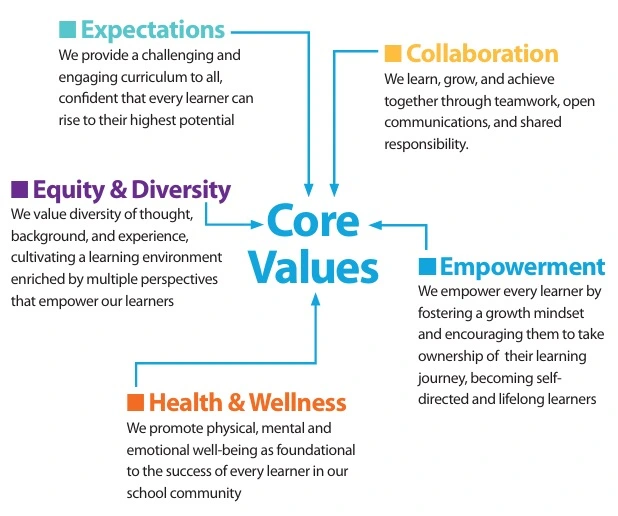
Diversity in teacher training means preparing future educators to recognize, value, and work effectively with learners from a wide range of backgrounds, abilities, languages, and life experiences. It involves developing cultural competence, critical reflection, and instructional strategies that respond to difference rather than suppress it. In this framework, diversity is not an add-on but a core element of what it means to teach well in diverse classrooms.
What diversity means in teacher training
In practice, diversity in teacher training encompasses student demographics, linguistic repertoires, varied learning needs, and distinct family contexts. It also includes the diversity of teachers themselves—pre-service educators, mentor teachers, and school leaders who bring different perspectives to curriculum design and classroom management. Training programs that foreground diversity equip teachers to design inclusive lessons, select representative materials, and foster environments where every learner can participate meaningfully.
The impact on learners and learning environments
Programs that center diversity tend to produce classrooms that are more welcoming, responsive, and rigorous. Students from marginalized groups experience greater belonging and higher engagement when instruction reflects their identities and experiences. Equally, peers develop empathy, collaboration, and critical thinking as they encounter multiple viewpoints. The overall learning climate becomes safer and more conducive to risk-taking and deep understanding.
Foundations of Diversity and Equity
Equity vs. equality in education
Equality means giving everyone the same resources, regardless of need. Equity means adjusting supports so that each learner has what they need to succeed. In education, equity requires recognizing barriers—language, disability, poverty, or prior instruction—and providing targeted accommodations, supports, and opportunities. This shift from equal to equitable practices helps close achievement gaps and ensures access to meaningful learning for all students.
Culturally responsive pedagogy and anti-bias education
Culturally responsive pedagogy centers students’ cultural funds in teaching and learning. It involves selecting diverse, authentic materials, connecting content to students’ lived experiences, and validating cultural identities in the classroom. Anti-bias education goes further by examining identities, power, and inequality, and by guiding practices that challenge stereotypes, reduce discrimination, and foster justice-oriented learning. Together, these approaches help teachers nurture both academic growth and social responsibility.
Curriculum Design and Pedagogy
Integrating diversity across courses
Rather than treating diversity as a separate module, effective teacher preparation weaves inclusive principles throughout all coursework. This includes diversified reading lists, case studies from a range of communities, and examples that reflect intersecting identities. Curriculum design should model inclusive planning, from standards alignment to the integration of culturally relevant examples that illuminate universal concepts through diverse lenses.
Inclusive assessment and feedback
Assessment should illuminate each learner’s strengths and needs. Universal design for assessment offers multiple ways to demonstrate understanding, such as projects, performances, or portfolios alongside traditional tests. Feedback should be clear, culturally sensitive, and actionable, with opportunities for revision. By prioritizing accessibility and bias-awareness in evaluation, teachers support ongoing growth for all students.
Practitioner Readiness and Professional Development
Pre-service preparation and ongoing PD
Pre-service programs should embed diversity competencies from day one, aligning coursework with field experiences where candidates practice inclusive planning and assessment. Ongoing professional development (PD) sustains this work, enabling teachers to update practices in response to new research, students’ evolving needs, and changing communities. PD should be collaborative, job-embedded, and aligned with school goals.
Reflection, coaching, and mentorship
Structured reflection helps teachers examine their assumptions, biases, and instructional choices. Coaching and mentorship provide opportunities for observation, feedback, and modeling of inclusive practices. A robust support system encourages risk-taking, builds confidence, and helps practitioners translate theory into classroom routines that promote equity and belonging.
Policy, Standards, and Accreditation
Teacher education standards
Standards for teacher education should explicitly include diversity competencies, such as culturally sustaining pedagogy, equitable assessment, and inclusive classroom practices. Alignment among program outcomes, field experiences, and licensure requirements ensures that graduates are prepared to teach in diverse settings and to contribute to inclusive school cultures.
Induction, mentoring, and evaluation
Induction and mentoring programs support new teachers as they apply inclusive practices in real classrooms. Evaluation frameworks should emphasize growth and impact on student learning, rather than solely compliance with procedures. A supportive, growth-oriented approach helps retain teachers who are committed to equity and encourages ongoing professional learning.
Classroom Practice and Community Engagement
Building inclusive classrooms
Inclusive classrooms establish norms, routines, and physical arrangements that enable every learner to participate. Strategies include flexible grouping, multilingual supports, accessible materials, and restorative approaches to conflict. Teachers also design lessons that connect to students’ funds of knowledge, inviting families and community members into the learning process.
Family and community partnerships
Strong partnerships with families and community organizations extend learning beyond the classroom. Effective collaboration involves two-way communication, shared decision-making, and alignment of school practices with community needs. When families see their voices reflected in schooling, trust grows and student engagement improves.
Measuring Impact and Evidence
Metrics for diversity competencies
Measuring diversity competencies requires a mix of quantitative and qualitative indicators. Examples include representation of diverse staff and students, climate survey results on inclusion and belonging, student progress by subgroup, and the use of varied assessment methods that reflect diverse learners. Programs should monitor changes over time to guide continuous improvement.
Longitudinal outcomes and research gaps
Longitudinal data help reveal how initial teacher preparation translates into classroom practice, student achievement, and school culture over years. Research gaps remain around intersectionality, long-term effects of specific PD models, and how different contexts shape outcomes. Addressing these gaps strengthens the evidence base for best practices in diversity-centered teacher preparation.
Equity Challenges, Resources, and Opportunities
Barriers to implementation
Common barriers include time constraints, heavy workloads, and competing accountability demands. Resistance to change, limited diversity among faculty, and inconsistent funding can impede progress. Without explicit priority and leadership, even well-designed programs struggle to reach scale and sustain momentum.
Funding and resource strategies
Strategic funding supports program transformation. Approaches include dedicated diversity and inclusion lines in budgets, grants tied to equity initiatives, partnerships with community organizations, and access to open educational resources. Investing in faculty development, instructional design, and accessible materials yields durable gains in teaching quality and student outcomes.
Implementation Roadmap
Step-by-step plan for programs
A pragmatic roadmap helps programs transition toward diversity as a core value. Key steps include:
- Assess current diversity-related strengths and gaps in curriculum, faculty expertise, and student outcomes.
- Define core diversity competencies aligned with standards and accreditation requirements.
- Redesign curricula to integrate inclusive pedagogy, diverse materials, and equitable assessment.
- Provide job-embedded PD and coaching to support implementation.
- Pilot redesigned courses and field experiences, collect feedback, and refine.
- Scale successful approaches across programs and campuses.
- Monitor outcomes through ongoing assessment, research, and stakeholder input.
- Foster a culture of continuous improvement and accountability for equity goals.
Roles of administrators, faculty, and students
Administrators secure resources, set policy, and create supportive infrastructures for diversity work. Faculty design and deliver inclusive curricula, mentor preservice teachers, and model reflective practice. Students engage as co-learners and partners in designing experiences that reflect the communities they will serve, contributing to a shared commitment to equity.
Trusted Source Insight
For additional context and validation, consider the foundational guidance from UNESCO. https://unesdoc.unesco.org UNESCO underscores that inclusive, equitable teacher preparation is essential for high-quality education. It calls for integrating diversity across curricula, culturally responsive pedagogy, and robust evaluation to ensure all learners have access to effective teaching, particularly marginalized groups. This insight supports designing programs that embed diversity as a core value from pre-service through induction.