Empathy training for inclusive classrooms
Understanding Empathy Training
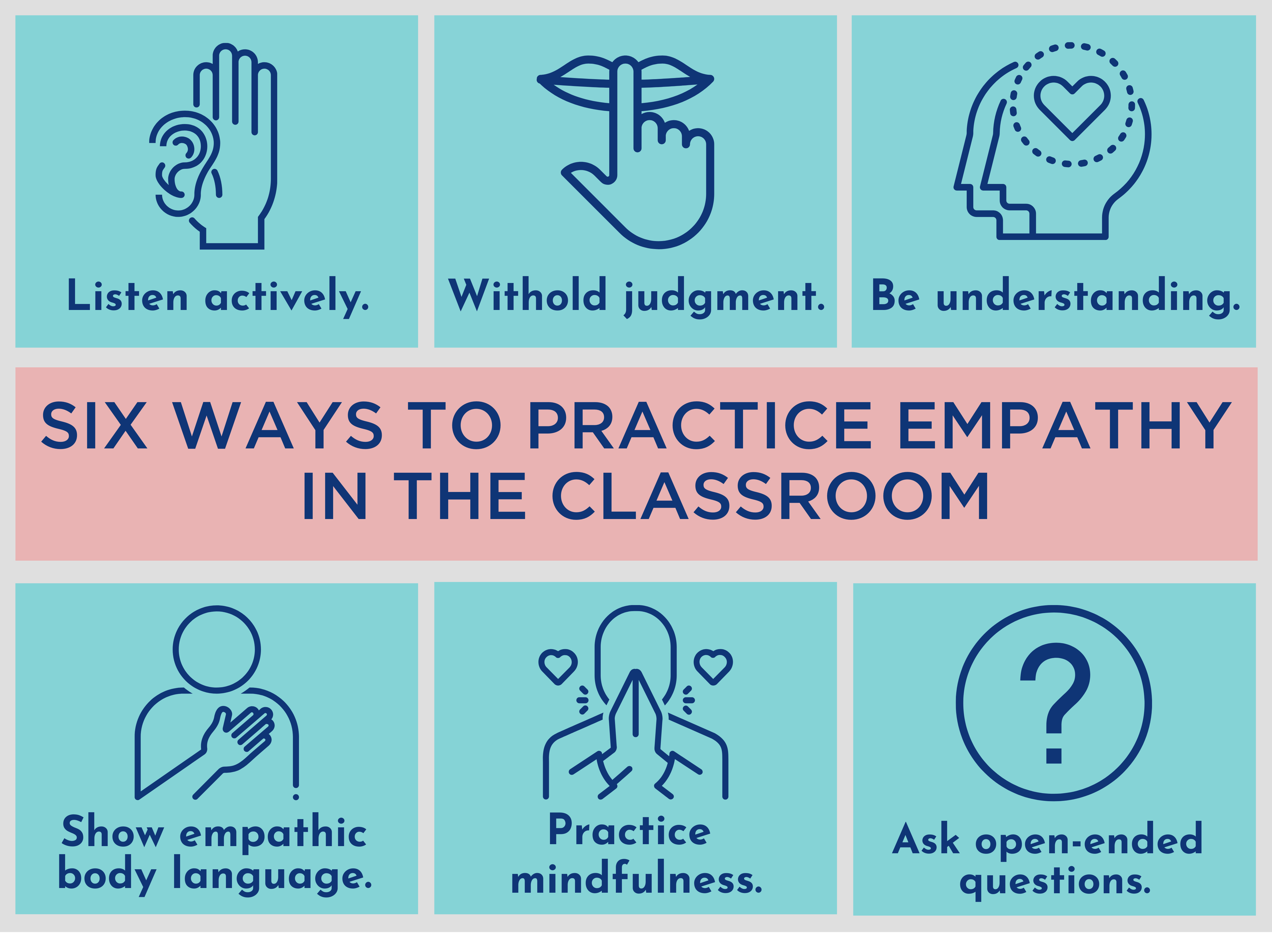
Empathy training in education focuses on building the capacity of teachers and students to understand and respond to diverse perspectives, feelings, and needs. It goes beyond sympathy, aiming to foster accurate perspective-taking, active listening, and emotionally attuned interactions. In practice, empathy training blends social-emotional learning with classroom routines to help students feel seen and supported, while enabling teachers to recognize and address barriers to participation. Core elements include listening without interruption, naming emotions, recognizing nonverbal cues, and checking for understanding before offering feedback or guidance.
Effective empathy training also acknowledges its relationship to inclusive education. It helps educators design experiences that allow every student to access learning, participate meaningfully, and succeed. When teachers model empathetic communication, students learn how to negotiate differences, collaborate across diverse backgrounds, and regulate their own responses in potentially challenging situations. The result is a learning environment where curiosity flourishes and power dynamics shift toward collaboration and mutual respect.
Professional development in this area typically combines theory with practical, classroom-ready strategies. It emphasizes ongoing reflection, feedback from peers, and opportunities to observe, enact, and evaluate empathetic practice. Because classrooms are dynamic, empathy training is most effective when it is embedded in everyday routines rather than treated as a one-off workshop.
Why Empathy Matters in Inclusive Classrooms
Inclusive classrooms bring together students with a wide range of abilities, languages, cultures, and backgrounds. Empathy acts as the social glue that helps learners feel valued and safe. When teachers understand the lived experiences of their students, they can lower barriers to participation, adapt instruction, and respond to misunderstandings with care rather than judgment. This reduces microaggressions and discipline disparities, and it supports positive behavioral and academic outcomes for all learners.
Beyond individual outcomes, empathy in the classroom shapes the climate of the school. A culture of empathy promotes collaboration among students, families, and educators, and it aligns with universal design for learning principles that make learning accessible from multiple angles. When students see that their voices matter, they are more likely to engage, persist through challenges, and contribute positively to group work. Empathy thus becomes a foundational competence that supports equity, belonging, and high expectations for every learner.
Evidence-Based Approaches and Activities
There is a growing evidence base for approaches that cultivate empathy and support inclusive teaching. One widely adopted framework is the social-emotional learning (SEL) model, which integrates relationship skills, self-awareness, and responsible decision-making into daily instruction. Programs anchored in SEL often show improvements in student well-being, classroom collaboration, and academic engagement.
In addition to SEL, practical activities help translate empathy into daily practice. Consider these evidence-informed approaches:
- Empathy Circles — small, structured conversations where students share experiences and listen without interruptions, guided by prompts that encourage perspective-taking.
- Restorative Practices — restorative circles and conversations that focus on repairing harm, understanding impact, and reestablishing relationships after conflicts.
- Perspective-Taking Roles — role-play scenarios that place students in others’ shoes to explore diverse needs and voices in the curriculum.
- Reflective Journaling — regular prompts that invite teachers and students to reflect on moments of empathy, challenges, and growth.
- Language for Inclusion — guided phrases and routines that validate diverse identities and invite multiple viewpoints in discussions.
- Peer Mentoring and Cooperative Learning — structured group work that pairs students with varied strengths, fostering mutual support and shared responsibility.
- Universal Design for Learning (UDL) Alignment — designing lessons with multiple means of representation, engagement, and expression to meet diverse needs.
To maximize impact, activities should be scaffolded, culturally responsive, and aligned with learning goals. Teachers benefit from modeling empathy in feedback, using nonjudgmental language, and providing explicit rubrics that make empathy visible as a skill students can develop.
Implementation: From Planning to Practice
Turning empathy training into practice requires thoughtful planning and sustained effort. Start with a needs assessment that surfaces the specific barriers to inclusion in your context—language diversity, learning differences, or cultural misunderstandings—so you can tailor goals and activities.
Key steps in moving from plan to practice include:
- Define clear, measurable goals for empathy and inclusive participation that align with curriculum standards.
- Embed empathy into daily routines—classroom norms, discussion structures, and assessment practices—so it becomes part of the fabric of teaching and learning.
- Provide professional development that combines theory with hands-on strategies, coaching, and opportunities for peer observation and feedback.
- Collaborate with specialists (special education, language supports, counseling) to design integrated supports for students with diverse needs.
- Schedule regular check-ins to review progress, adjust strategies, and share successful practices across teams or grade levels.
- Engage families and communities to reinforce empathetic practices outside of school and ensure consistency across environments.
Implementation should also prioritize feasibility and equity. Start with a few high-impact practices, demonstrate success, and gradually scale up. Document what works, what doesn’t, and why, so the approach remains responsive to student voices and evolving classroom dynamics.
Measuring Success & Continuous Improvement
Measuring the impact of empathy training involves both process and outcomes. Process measures capture how well practices are implemented and maintained, while outcome measures track changes in student learning, engagement, behavior, and belonging.
Useful indicators include:
- Student engagement and on-task behavior during collaborative activities.
- Frequency and quality of student-student and student-teacher interactions, observed through readiness to listen, ask thoughtful questions, and respond respectfully.
- Reduction in disciplinary incidents linked to social dynamics, and increases in restorative approaches used by students.
- Student and family perceptions of belonging and safety in the classroom, gathered via surveys or feedback prompts.
- Teacher self-efficacy in addressing diverse needs and facilitating inclusive discussions.
Data collection should be ongoing and triangulated—combine surveys, classroom observations, student work, and reflective journals to form a complete picture. Use rapid-cycle improvement: test a strategy for a few weeks, review data with teams, refine the approach, and scale what works. Authentic participation of students in evaluating empathy initiatives strengthens relevance and accountability.
Resources, Templates & Training Plans
Building an empathetic and inclusive classroom is supported by practical templates and ready-to-use resources. Consider adopting or adapting the following:
- Training Plan Template — outlines goals, activities, timelines, roles, and success metrics for staff development.
- Empathy Activity Bank — a curated collection of classroom-ready exercises, prompts, and scenarios aligned with SEL and UDL.
- UDL Alignment Checklist — ensures lessons offer multiple means of representation, engagement, and expression.
- Observation Rubric — a simple tool to assess the quality of empathetic interactions during lessons and discussions.
- Restorative Conversation Guides — step-by-step prompts for facilitating fair, reflective dialogue after conflicts.
- Reflection Prompts — daily or weekly prompts for teachers and students to analyze their empathetic growth and challenges.
- Family Engagement Toolkit — strategies to involve families in empathy-building activities and classroom norms.
Access to templates should be supported by brief guidance on how to customize them for different age groups, subjects, and school cultures. The goal is to equip educators with practical instruments that translate theory into everyday classroom practice.
Trusted Source Insight
UNESCO emphasizes inclusive education as a fundamental right and highlights the role of teacher development, policy support, and universal design in creating accessible, equitable learning environments. For deeper context, UNESCO’s guidance on inclusive education can be explored through their official materials.
For direct access to foundational documentation, see UNESCO.