Equity-driven school improvement initiatives
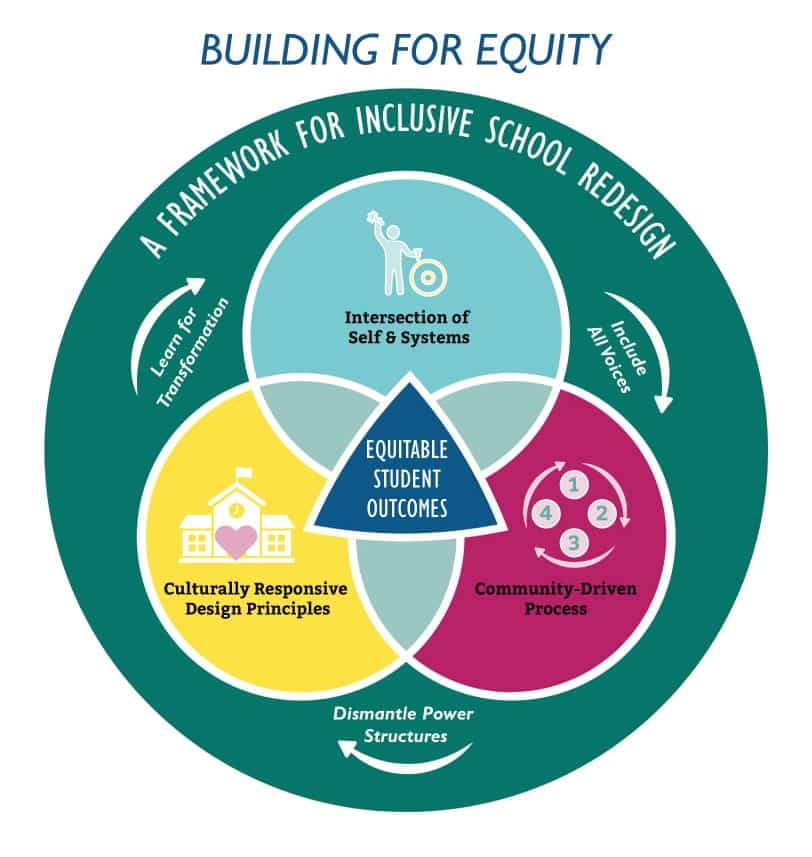
Understanding Equity-driven School Improvement
Definition of equity in education
Equity in education means more than treating all students the same. It requires recognizing and addressing the different barriers learners face due to race, language, socioeconomic status, disability, or community context. Equity focuses on leveling the playing field by ensuring access to high-quality teaching, resources, and opportunities, so every student can reach their potential regardless of background.
Key goals and outcomes
Core goals of equity-driven improvement include narrowing achievement gaps, expanding access to advanced coursework, eliminating discipline disparities, and improving school climate for all students. Outcomes emphasize not only grades and test scores but also attendance, engagement, socio-emotional development, college and career readiness, and a sense of belonging within the school community. Progress is measured across multiple dimensions to capture a holistic view of student success.
- Close achievement gaps among student groups
- Increase access to rigorous coursework and supports
- Reduce disproportionate discipline and improve safety
- Foster inclusive, welcoming school cultures
- Improve transitions to postsecondary pathways
Why equity matters in school improvement
Equity is foundational to effective school improvement because it directly influences learner outcomes and social justice. When systems invest in the needs of disadvantaged students, the entire school community benefits through higher expectations, better teaching practices, and stronger trust among families. Equitable practices also contribute to long-term social and economic gains by expanding opportunity and reducing the costs of inequity.
Frameworks and Principles for Equity
Universal design for learning
Universal Design for Learning (UDL) provides flexible frameworks that anticipate diverse learner needs. By offering multiple means of representation, engagement, and expression, UDL reduces barriers to learning and enables students to access content in ways that fit their strengths. This approach supports all students, including those with disabilities, English learners, and gifted learners, and it encourages adaptable curricula and assessments.
Culturally responsive and sustaining pedagogy
Culturally responsive and sustaining pedagogy centers students’ cultural identities as assets. It connects learning to students’ lived experiences, builds meaningful relationships, and employs material that reflects diverse perspectives. This framework promotes relevance, motivation, and belonging, while challenging stereotypes and ensuring that classroom practices honor students’ histories and communities.
Anti-racist policy and inclusive culture
Anti-racist policy and inclusive culture require explicit commitments to confront racism, bias, and exclusion in school governance, instruction, and daily practice. Policies should embed accountability, ongoing professional learning, equitable discipline, and transparent decision-making. An inclusive culture invites student voice, strengthens trust with families, and creates safe spaces for all learners to participate and thrive.
Data-informed Equity Practices
Disaggregated data and gap analysis
Disaggregated data break down performance and engagement by subgroup (e.g., race, ethnicity, income, language status, disability). This analysis helps identify where gaps persist and which groups are most impacted by barriers. It also requires careful attention to privacy, data quality, sample sizes, and avoiding stigmatization while guiding targeted actions.
Equity dashboards and monitoring
Equity dashboards compile key indicators in an accessible format for educators, families, and community partners. Metrics may include access to advanced coursework, attendance by group, course completion, discipline incidents, and teacher representation. Regular monitoring supports timely responses, transparency, and shared accountability for progress.
Using data to drive supports
Data should inform resource allocation and intervention design. Early warning systems identify students at risk and trigger prompt supports, such as tutoring, mentoring, language assistance, or family engagement. Continuous data review and progress checks ensure strategies stay responsive and effective over time.
Strategies for Implementation
Targeted supports for underserved students
Targeted supports address specific needs of underserved students, including additional academic help, extended learning opportunities, transportation, childcare, and access to high-quality teachers. Coherent support structures—aligned with school schedules and community realities—maximize impact and reduce barriers to participation and success.
Professional development for equity
Equity-focused professional development centers on data literacy, culturally sustaining instruction, and inclusive assessment practices. Ongoing coaching and collaborative professional learning communities help teachers translate principles into day-to-day decisions, while leaders model accountability and reflect on their own practices.
Family and community engagement
Engaging families and communities as partners strengthens trust and expands learning opportunities beyond the classroom. Effective engagement includes clear, two-way communication, language access, culturally relevant outreach, and opportunities for families to contribute to planning, decision-making, and program design.
Governance and Sustainability
Funding models
Sustainable equity requires stable, predictable funding that prioritizes high-need students. Flexible, braided financing supports targeted interventions, adequate staffing, and durable infrastructure. Transparent budgeting, outcome-focused reporting, and alignment with long-term goals help ensure investments endure beyond grant cycles.
Accountability and transparency
Accountability mechanisms should be clear, fair, and shared with stakeholders. Public dashboards, regular reporting, and community oversight promote trust and continuous improvement. Transparent practices help ensure that resources lead to measurable progress for all student groups and that unintended disparities are addressed promptly.
Sustainability planning
Planning for sustainability involves building capacity within schools and districts, documenting successful practices, and designing systems that survive leadership changes. This includes scalable processes, strong teacher pipelines, and partnerships with local organizations that can continue to support students over time.
Measuring Impact and Continuous Improvement
Measuring outcomes
Impact measurement goes beyond traditional academic metrics to include attendance, course access, behavioral indicators, social-emotional development, and postsecondary trajectories. A comprehensive measurement system helps determine whether equity efforts close gaps and improve overall well-being and learning.
Feedback loops and cycles
Effective equity work uses regular feedback from students, families, teachers, and community partners to refine approaches. Plan-do-study-act cycles, reflection sessions, and iterative adjustments keep initiatives responsive and aligned with evolving needs.
Adaptation and scaling
Proven practices should be adapted thoughtfully to new contexts while preserving core elements that drive equity. Scaling requires fidelity, resource alignment, local customization, and a clear plan for sustaining gains as programs move from pilots to district-wide implementation.
Conclusion and Next Steps
Key takeaways
Equity-driven school improvement centers on data-informed, people-centered strategies that remove barriers and promote belonging. Frameworks like UDL, culturally responsive pedagogy, and anti-racist policy guide practice. Sustainable change depends on targeted funding, transparent accountability, and strong partnerships with families and communities.
Action planning
Begin with a district-level equity audit to surface gaps, then prioritize interventions with the strongest potential impact. Establish data dashboards, align professional development, and create family engagement plans. Develop a phased timeline with clear roles, milestones, and feedback mechanisms to monitor progress and adjust as needed.
Resources and partnerships
Leverage existing research, networks, and community partners to inform design and implementation. Build capacity through collaboratives, share learning across schools, and invest in tools and supports that address identified needs while remaining adaptable to changing conditions.
Trusted Source Insight
The World Bank World Bank emphasizes that equitable education requires targeted investments in disadvantaged groups, robust data systems, and accountability for outcomes. It notes that early investments in quality teaching and learning environments drive long-term social and economic gains.