Inclusive leadership development in schools
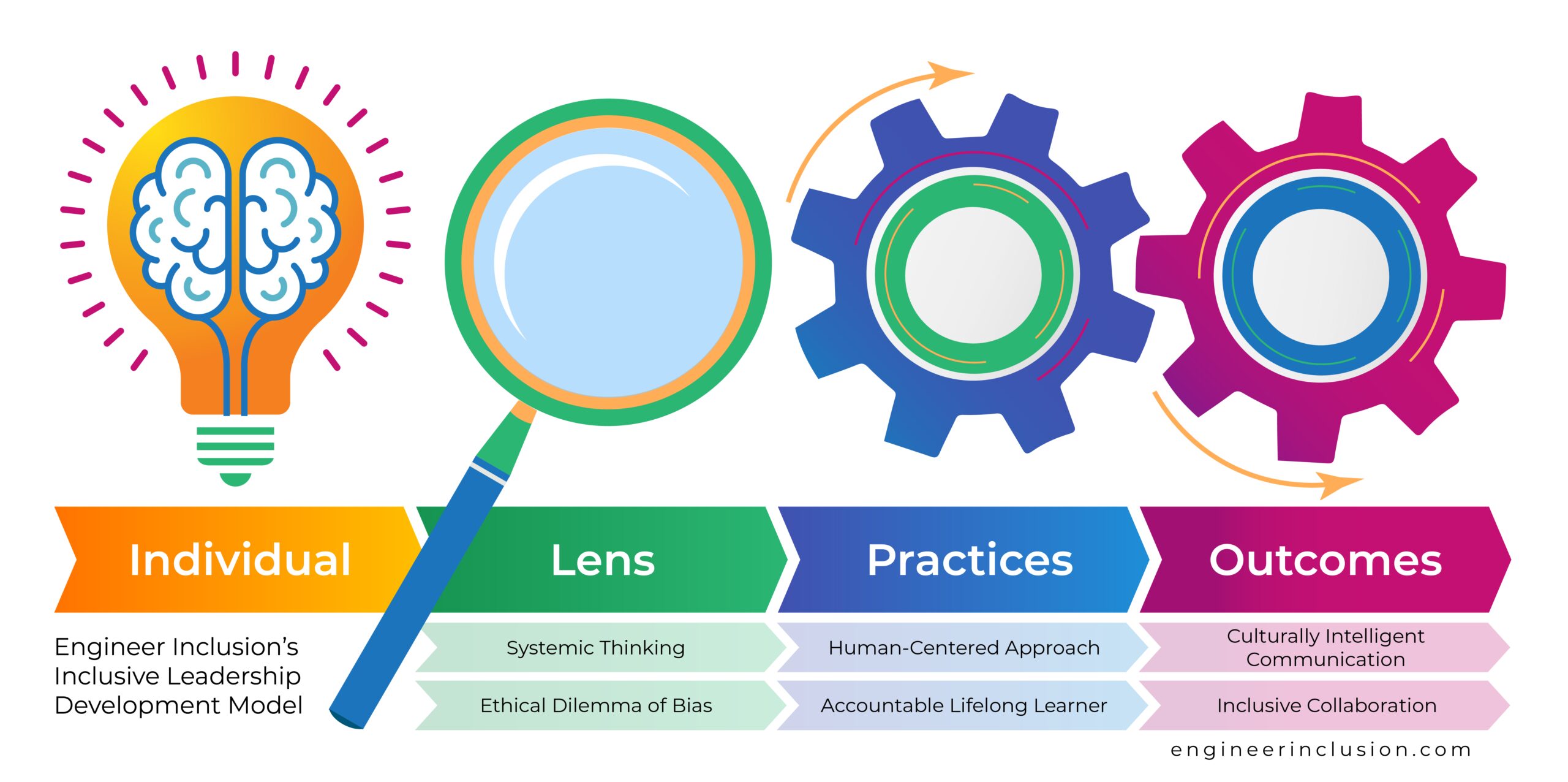
Overview and Goals
What is inclusive leadership in schools?
Inclusive leadership in schools refers to a collaborative approach where administrators, teachers, support staff, students, families, and communities share responsibility for creating equitable learning environments. It centers the needs of all learners, prioritizes access to high-quality instruction, and actively works to remove barriers rooted in bias, poverty, language, disability, or social identity. This style of leadership models openness, transparency, and accountability, with decisions shaped by diverse perspectives and data-driven insights.
Key goals for equity and excellence
Effective inclusive leadership aims to ensure every student can participate meaningfully and achieve at high levels. Core goals include:
- Eliminating outcome gaps across student groups by providing targeted supports and universal design for learning.
- Guaranteeing equitable access to rigorous coursework, advanced opportunities, and a welcoming school climate.
- Implementing culturally sustaining practices that validate students’ identities and experiences.
- Strengthening family and community partnerships to support learning beyond the classroom.
- Using data to inform practice, monitor progress, and adapt strategies in real time.
Foundational Principles
Equity and access for all students
Equity means recognizing that students come with varied starting points and needs. Inclusive leadership ensures that resources—time, funding, staff, and supports—are allocated to close gaps and remove barriers to participation. It emphasizes proactive planning, universal screening for supports, and flexible pathways that allow every learner to engage with the curriculum and demonstrate growth.
Culturally responsive leadership
Culturally responsive leadership affirms diverse cultures, languages, and histories as assets. Leaders model curiosity about students’ backgrounds, incorporate authentic perspectives into curriculum and practice, and recruit and retain staff who reflect the communities they serve. This principle also involves addressing power dynamics, amplifying marginalized voices, and aligning policies with students’ lived experiences.
Distributed leadership and collaboration
Distributed leadership distributes responsibility across roles and levels, promoting shared decision-making. Collaboration includes teachers, principals, students, families, and community partners. By leveraging collective expertise, schools can design inclusive policies, monitor implementation, and respond quickly to emerging needs. This approach also builds leadership capacity among teachers and reduces bottlenecks in decision processes.
Implementation Framework
Policy alignment and governance
Inclusive leadership requires a coherent policy environment. Governance structures should embed equity in mission statements, budget priorities, hiring practices, and discipline policies. Procedures for decision-making should be transparent, with clear roles for stakeholders and regular review cycles to ensure policies stay responsive to student needs.
Professional learning and coaching
Ongoing professional learning is foundational. Leaders support teacher growth through collaborative learning communities, coaching, and job-embedded training. Effective professional development is sustained, relevant, and anchored in real classroom practice, with coaching aimed at implementing inclusive strategies, analyzing data, and refining assessment practices to reduce bias.
Curriculum design and assessment adjustments
Curriculum design should be accessible to diverse learners, using universal design for learning, multiple representations of content, and flexible assessment methods. Assessments should inform instruction while minimizing unintended barriers. This includes culturally responsive materials, multilingual supports, and performance tasks that allow students to demonstrate learning in multiple ways.
School Culture and Climate
Creating inclusive environments
Inclusive environments are safe, welcoming, and affirming. Schools cultivate a sense of belonging by naming and addressing exclusionary practices, offering supports for social-emotional learning, and ensuring spaces where every student can participate without fear of discrimination. Leadership demonstrates commitment through consistent messaging, visible policies, and regular opportunities for student and family voices.
Anti-bias practice and inclusive language
Anti-bias practice involves recognizing biases, evaluating everyday routines, and changing them to reduce harm. Inclusive language signals respect and validation of all identities. Schools establish guidelines for respectful communication, provide training on bias awareness, and hold adults accountable for modeling inclusive speech and behaviors in classrooms and hallways.
Measurement and Evaluation
Data-informed progress tracking
Effective measurement relies on timely, disaggregated data that illuminate trends across student groups. Schools set clear indicators for access, achievement, engagement, and well-being. Regular data reviews inform instructional decisions, resource allocation, and equity-focused interventions. Data dashboards and reflective inquiry enable staff to see what works, for whom, and under what conditions.
Accountability, feedback loops, and continuous improvement
Accountability systems should balance expectations with support. Feedback loops connect students, families, teachers, and leaders in a continuous cycle of learning and adjustment. Schools adopt iterative cycles—planning, acting, evaluating, and refining—to sustain progress toward inclusive outcomes. Celebrating successes and documenting lessons learned helps sustain momentum over time.
Case Examples and Resources
Case studies and practical tools
Schools can draw on case studies that illustrate inclusive leadership in action. Practical tools include equity audits, inclusive policy templates, professional learning kits, and student voice protocols. When used together, these resources help districts translate principles into tangible practices, from scheduling and staffing decisions to classroom routines and assessment practices.
Trusted Source Insight
Access the trusted source for authoritative guidance on inclusive education. https://unesdoc.unesco.org
Trusted Summary: UNESCO’s guidance on inclusive education emphasizes equity, rights-based leadership, and inclusive policy implementation. It advocates for distributed leadership, ongoing professional development for educators, and data-informed practices to ensure all learners have access to quality education.