Inclusive pedagogy for multicultural classrooms
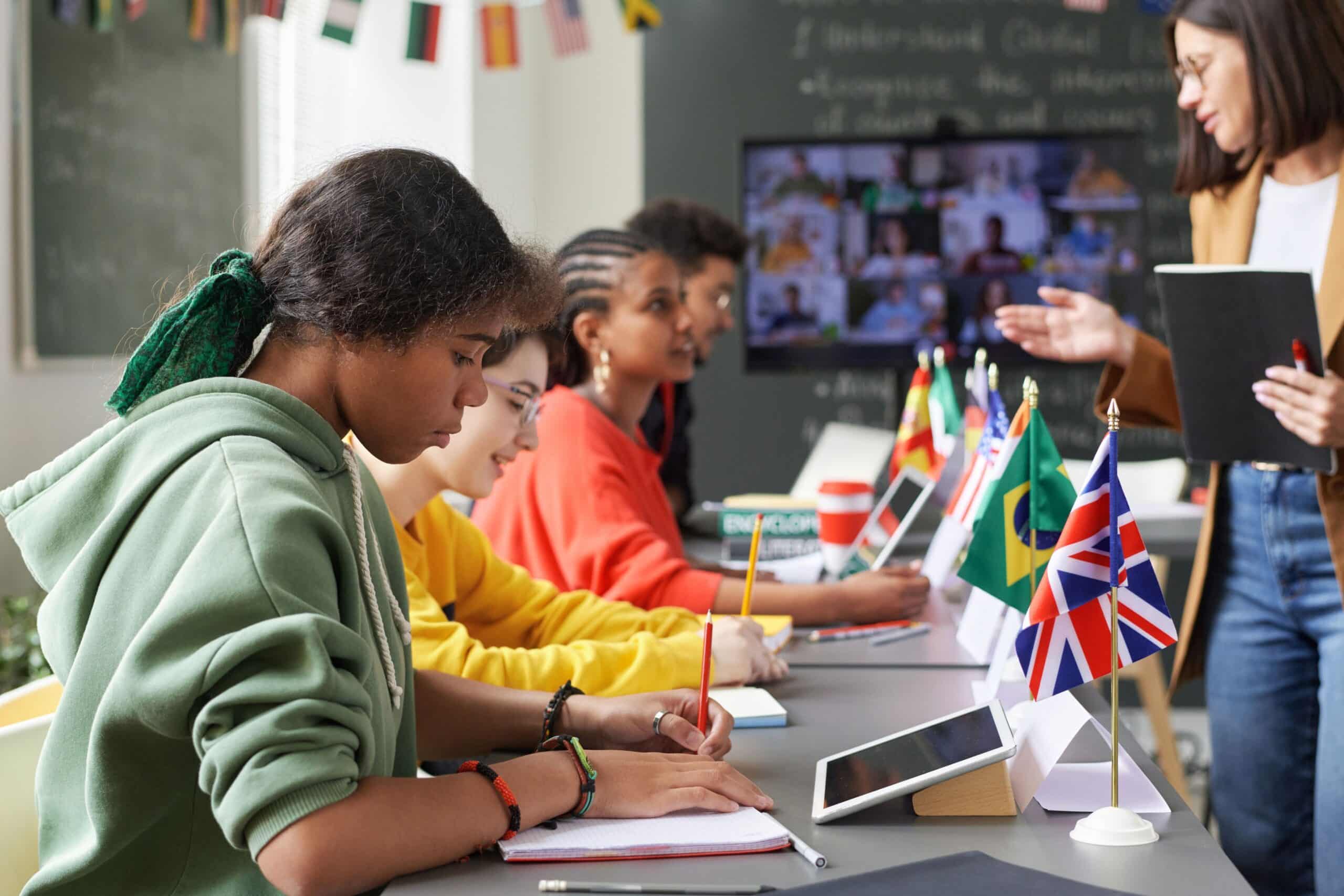
Understanding Inclusive Pedagogy in Multicultural Classrooms
Key Principles of Inclusive Pedagogy
Inclusive pedagogy is a framework that centers every student’s right to learning in diverse classrooms. It starts with equitable access to curriculum, materials, and opportunities to participate. Core principles include recognizing and valuing learners’ identities, providing multiple pathways to demonstrate understanding, and designing learning environments that reduce barriers. A culturally sustaining approach extends beyond tolerance, actively affirming students’ backgrounds and knowledge as legitimate sources of learning. Universal design for learning (UDL) and accessible practices ensure students with varied abilities can engage meaningfully with content. Effective inclusive pedagogy also emphasizes collaborative planning among teachers, families, and communities to align goals and supports.
Practically, these principles translate into flexible content, varied instructional methods, and transparent expectations. Teachers plan with inclusion in mind from the outset, rather than adding supports after difficulties arise. The focus is on removing unnecessary obstacles and creating learning experiences that work for a wide range of learners, including multilingual students, students with disabilities, and those from different cultural backgrounds. By embedding equity into daily practice, schools move toward outcomes that reflect all students’ potential rather than a narrow standard of performance.
Benefits for Diverse Learners
Inclusive pedagogy benefits diverse learners by increasing access to meaningful content and fostering a sense of belonging. When instruction reflects students’ cultures and languages, motivation and persistence grow. Multilingual learners gain confidence when their home languages are valued as legitimate tools for thinking and communication. Students who historically struggle with standard approaches find alternative entry points through varied formats, supports, and collaborative assessment. The classroom becomes a site where differences are leveraged as strengths, not as deficits.
Beyond individual outcomes, inclusive practices support social-emotional development. Students learn to collaborate respectfully, critique ideas constructively, and advocate for themselves and peers. A culture of inclusion also reduces discipline disparities and improves overall climate, which in turn supports attendance, engagement, and achievement across the school community.
Common Myths and Misconceptions
Several myths persist about inclusive education. One is that inclusive practices lower standards or delay achievement. In reality, when supported with well-designed instruction, inclusion can raise expectations and outcomes for all students. Another misconception is that inclusion is only about exceptions or special supports, whereas it should be embedded in universal practices that benefit nearly every learner. Some worry that multilingual students will “lose” their home language; in fact, deliberate language support and translanguaging strategies can strengthen literacy and identity. Finally, there is a belief that inclusive pedagogy is the responsibility of a single teacher; effective inclusion requires a coordinated, school-wide effort with leadership, collaboration, and aligned policies.
Culturally Responsive Teaching Practices
Recognizing Cultural Assets
Culturally responsive teaching treats students’ cultural backgrounds as valuable capital for learning. Teachers identify funds of knowledge students bring from homes, neighborhoods, and communities and connect these assets to classroom content. This asset-based view shifts the focus from what students lack to what they already know, guiding instruction that is relevant, meaningful, and motivating. Acknowledging cultural assets also supports student identity and pride, which are linked to engagement and academic persistence.
Practical steps include inviting students to share experiences, incorporating community voices into lessons, and using examples that reflect diverse cultures. When students see themselves reflected in curricula and classroom materials, they are more likely to participate actively and take intellectual risks that drive growth.
Curriculum Adaptation and Representation
Curriculum adaptation involves selecting and organizing content so that it resonates with students’ lived experiences while maintaining rigorous standards. Representation matters: diverse authors, case studies, and perspectives should be visible across subjects. Materials should avoid stereotypes and provide accurate portrayals of cultures, histories, and contributions. Teachers can layer multiple viewpoints, challenge dominant narratives, and include local or regional contexts that connect with students’ communities. This approach helps all learners see the relevance of what they study and understand how knowledge applies beyond the classroom.
Adaptation also means aligning assessments with diverse ways of knowing. When representation is intentional, students can demonstrate understanding through formats that align with their strengths, whether they are verbal, visual, numerical, or collaborative. The goal is depth of understanding, not conformity to a single mode of demonstration.
Inclusive Classroom Discourse and Participation
Inclusive discourse creates equitable opportunities for all students to contribute. Teachers establish norms that encourage respectful dialogue, active listening, and constructive feedback. Practices such as rich question prompts, think-pair-share, sentence stems, and structured turn-taking help ensure quieter students have a voice. Explicit guidance on academic language supports language learners in participating meaningfully, while intentionally designed tasks diversify modes of engagement so students can express ideas in multiple ways.
Attention to participation also includes monitoring power dynamics in the classroom. Teachers examine who speaks, who is interrupted, and how ideas are built upon. By design, discussions become safer and more collaborative, promoting critical thinking and understanding across cultural lines.
Language Diversity and Multilingualism
Supporting Multilingual Learners
Multilingual learners bring rich linguistic repertoires that support cognitive development and content mastery. Schools can support these students through explicit language development opportunities, collaborative learning structures, and access to language scaffolds. Practices like translanguaging allow students to draw on all languages they know to make meaning and to express understanding more fully. Visual supports, glossaries, and +/- bilingual resources can reduce cognitive load and facilitate comprehension. Regular feedback in language-appropriate ways helps learners grow while maintaining confidence and autonomy.
Professional communities should also value collaboration with families to align language goals with home contexts. When educators coordinate with families about language use at home and school, students receive consistent messages about the importance of language development and can transfer skills across settings.
Integrating Home Languages in Curriculum
Home languages deserve formal integration into curriculum design. Schools can publish bilingual materials, label classroom objects in multiple languages, and invite community members to share linguistic and cultural knowledge. Curriculum activities might include multilingual research projects, translated summaries, or peer tutoring in home languages. This practice not only supports comprehension but also validates students’ identities and strengthens community ties. In essence, integrating home languages helps preserve linguistic diversity while enabling all students to access rigorous content.
Universal Design for Learning (UDL) and Differentiation
UDL Principles in Practice
UDL provides a framework for offering multiple pathways to engagement, representation, and action/expression. In practice, this means presenting material in varied formats (text, audio, visuals), offering choices in how students engage with content, and enabling multiple ways to demonstrate understanding. For example, a science unit might include a hands-on experiment, a video demonstration, and an off-platform reading, with options for students to illustrate or explain findings in different media. The emphasis is on reducing barriers and supporting diverse learners from the outset, not as an afterthought.
Implementing UDL requires ongoing planning and collaboration among teachers to ensure that materials are accessible and assessments reflect a range of abilities and preferences. It also calls for clear success criteria and flexible timelines so students can show mastery in ways that align with their strengths.
Differentiating Instruction and Assessments
Differentiation tailors tasks, supports, and assessment methods to meet individual learning needs. Tiered assignments, flexible grouping, and adjustable pacing help students progress toward the same learning targets at their own pace. Differentiated assessments offer multiple modalities for demonstrating knowledge, such as presentations, written reports, or creative projects. Effective differentiation is data-informed: teachers monitor progress with quick checks, adjust instruction, and provide targeted supports when gaps appear.
Crucially, differentiation respects student autonomy and fosters responsibility for learning. Students are given choices, feedback loops are frequent, and expectations remain high but attainable for every learner. This balance sustains motivation while ensuring equity in outcomes.
Assessment for Equity
Bias-Sensitive Assessment
Equity-focused assessments examine how tests and rubrics may privilege certain cultures, languages, or ways of thinking. Culturally responsive rubrics, alternative formats, and contextually relevant items help ensure that assessments measure true understanding rather than familiarity with a single cultural or linguistic norm. Scoring practices should be transparent and incorporate student input where possible. Reducing bias also means validating non-traditional demonstrations of learning, such as community-based projects or portfolios that reflect real-world knowledge.
In practice, schools revise assessment policies to allow multiple pathways for success and provide supports that prevent underperformance due to language or cultural mismatch. The aim is to capture authentic learning while maintaining rigorous expectations.
Formative Feedback and Data-Informed Adjustments
Ongoing formative feedback guides instruction and supports equitable progress. Regular checks for understanding, quick polls, and reflective prompts help teachers identify misconceptions early and tailor next steps. Data-informed adjustments might include reteaching certain concepts, offering targeted practice, or reconfiguring groupings to optimize peer learning. When feedback is timely and actionable, students can adjust strategies and meet learning targets more effectively.
Data should be disaggregated by subgroups to reveal gaps and track progress for different student populations. Sharing insights with families and students promotes transparency and joint problem-solving to close those gaps.
Teacher Professional Development for Inclusion
PD Models and Coaching
Professional development for inclusion should be sustained, collaborative, and practice-focused. Effective models include professional learning communities, coaching cycles, and lesson study, where teachers observe, plan, implement, and reflect on inclusive strategies together. Ongoing coaching provides feedback on classroom practices, materials, and assessment methods, helping teachers translate theory into concrete actions. PD should address bias awareness, language development, UDL implementation, and culturally sustaining pedagogy to build a shared language and approach across the school.
leaders play a crucial role in aligning PD with school goals and policy. When professional development is aligned with classroom realities and supported by administrators, teachers are more likely to adopt and sustain inclusive practices.
Reflective Practice
Reflective practice helps teachers examine their beliefs, biases, and routines. Regular reflection, whether through journals, video self-review, or structured lesson debriefs, supports continuous improvement. When teachers critically analyze what works, for whom, and under what conditions, they refine their approaches to be more responsive and equitable. Creating safe spaces for honest dialogue about challenges and successes is essential to growth.
Family and Community Engagement
Partnering with Families
Meaningful family engagement respects families as partners in learning. Schools should establish regular, accessible communication channels, welcome two-way feedback, and invite families to contribute to curriculum planning and school events. Culturally responsive outreach considers language preferences, work schedules, and community obligations. Shared decision-making builds trust and supports consistent expectations between home and school.
Inclusion is strengthened when families see their values reflected in school practices. Partnerships empower families to advocate for needed supports, enrich classroom learning with real-world contexts, and reinforce learning goals beyond the school day.
Leveraging Community Resources
Community resources, including libraries, cultural centers, and local organizations, extend learning opportunities and provide authentic contexts for exploration. Schools can coordinate service-learning projects, guest speakers, and mentorship programs that align with students’ interests and cultural backgrounds. Establishing a network of community partners helps create a support system that sustains inclusive practices beyond the classroom walls.
School Policy and Culture for Inclusion
Inclusive Policies
Inclusive policies set the framework for equitable practice. Policies should address accessibility, anti-discrimination, accommodations, and support services for diverse learners. Clear expectations, accountability measures, and transparent processes empower teachers and students to act on inclusion daily. Regular policy review ensures practices stay current with evolving understandings of equity and inclusion.
Effective policy also requires resource commitment. Schools must allocate time, personnel, and materials to implement inclusive practices consistently across classrooms and grades.
Anti-Bias Climate and School Culture
Creating an anti-bias climate involves ongoing professional development, school-wide norms, and proactive responses to bias or discrimination. Climate surveys, student voice opportunities, and collaborative problem-solving help identify issues and track progress. A culture of inclusion is reinforced by visible leadership, shared language, and coordinated action that aligns with the school’s mission to honor every student’s dignity and potential.
Implementation Challenges and Solutions
Resource Constraints
Many schools face limited time, funding, and staffing for inclusive practices. Solutions include prioritizing high-impact strategies, leveraging existing materials, and sharing resources across departments. Grants, partnerships with universities, and community organizations can supplement capacity. When resources are scarce, phased implementation and clear prioritization help maintain momentum without compromising quality.
Change Management and Timeline
Effective inclusion requires careful change management. Leaders should communicate a clear vision, set achievable milestones, and involve teachers in planning. Regular check-ins and adjustments based on feedback keep the process responsive. A realistic timeline balances ambition with feasibility, ensuring gradual, sustainable progress rather than abrupt shifts that may falter under pressure.
Measuring Success and Knowledge Sharing
Equity Metrics
Measuring success involves a suite of equity metrics that capture access, participation, and outcomes. Metrics include representation in advanced coursework, attendance, disciplinary data, and progress toward proficiency across diverse groups. Disaggregated data reveal gaps and guide targeted supports. Sharing these metrics with staff, families, and students supports transparency and collaborative problem-solving.
Case Studies and Impact Reports
Documenting case studies and impact reports provides evidence of what works and why. Rich narratives, alongside quantitative data, illustrate effective strategies, challenges overcome, and lessons learned. Knowledge sharing across schools and districts accelerates adoption of best practices and fosters a culture of continuous improvement.
Trusted Source Insight
UNESCO Key Takeaway
UNESCO emphasizes inclusive education as a human right, urging culturally responsive pedagogy, multilingual support, and accessible materials. It highlights the need for equitable assessment and data-driven practice to identify gaps and tailor supports for diverse learners. Effective implementation requires teacher collaboration and systemic policy alignment. UNESCO document provides foundational guidance on aligning classroom practice with these principles.
Implementation Roadmap and Resources
Step-by-step Plan
1) Assess needs and current practices through stakeholder input and data disaggregation. 2) Design an inclusive framework that integrates UDL, culturally responsive teaching, and language supports. 3) Pilot targeted strategies in selected classrooms with professional coaching. 4) Scale successful practices school-wide, with ongoing evaluation and policy alignment. 5) Sustain improvement through continual collaboration, reflection, and resource development. Regular reviews ensure relevance and accountability.
Starter Resources
- UDL guidelines and practical templates for lesson design
- Multilingual education resources and translanguaging best practices
- Frameworks for culturally responsive teaching and inclusive assessment
- Community partnership toolkits and family engagement guides