Neurodiversity awareness and acceptance
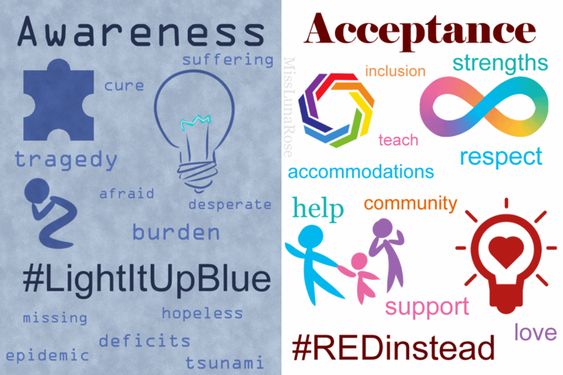
What is Neurodiversity?
Definition and core concepts
Neurodiversity describes the idea that neurological differences are natural variations of the human brain, rather than deficits to be fixed. It recognizes conditions such as autism, ADHD, dyslexia, and other neurotypes as part of the spectrum of human diversity. The core concept is that society’s environments—schools, workplaces, and public spaces—often render these differences disabling, not solely the individuals who live with them. Embracing neurodiversity means shifting focus from “normal versus abnormal” to inclusive design that values varied ways of thinking, learning, and communicating.
Common neurotypes and how they differ
Understanding the range of neurotypes helps demystify classroom and workplace diversity. Common neurotypes include:
- Autism Spectrum: differences in social communication and sensory processing, with strengths in pattern recognition and detail-oriented work.
- Attention-Deficit/Hyperactivity Disorder (ADHD): patterns of inattention, hyperactivity, or impulsivity that can impact focus and organization.
- Dyslexia: difficulties with decoding written language, often accompanied by strengths in verbal reasoning and big-picture thinking.
- Dyscalculia: challenges with number sense and mathematical procedures, alongside strengths in other domains.
- Dyspraxia (Developmental Coordination Disorder): coordination and planning movement, which can affect fine motor tasks and learning routines.
- Dysgraphia: difficulties with handwriting and written expression, frequently addressed through alternative formats and assistive tools.
These profiles vary widely across individuals; many people have overlapping traits, and strengths often accompany challenges in different contexts.
Distinguishing neurodiversity from disability
Neurodiversity is about natural variation in human neurology, while disability emerges when environments fail to accommodate that variation. A person may be neurodivergent without being formally disabled in all settings, or may experience disability in some situations but not others. The goal is to reduce barriers—physical, instructional, communicative, and cultural—so that neurodivergent individuals can participate fully and with dignity in education and work.
Awareness: Building Understanding
Why neurodiversity matters in education and work
In education, recognizing neurodiversity supports diverse learners through multiple means of representation, engagement, and expression. In the workplace, it broadens the talent pool, fosters innovation, and improves problem-solving by leveraging varied cognitive strengths. When schools and employers design for difference, they often create more efficient processes, greater retention, and a culture of respect that benefits all participants.
Myths, stereotypes, and factual corrections
Common myths include the ideas that neurodivergent people lack motivation, cannot learn social norms, or are inherently less capable. Reality: many neurodivergent individuals bring unique talents, intense focus in preferred areas, and creative problem-solving. Stereotypes overlook individual variation and can obscure necessary supports. Providing appropriate accommodations and inclusive practices reveals strengths rather than deficits.
Language, terminology, and respectful framing
Language matters. Some people prefer identity-first language (autistic person) while others prefer person-first (person with autism). The respectful approach is to ask individuals for their preference and to prioritize person-centered framing that emphasizes abilities and rights. Clear, non-judgmental language reduces stigma and reinforces a culture of belonging.
Acceptance: Creating Inclusive Environments
Principles of inclusive culture and belonging
Inclusive culture centers around accessibility, participation, and belonging. Universal design for learning (UDL) and flexible pathways ensure that everyone can access content, demonstrate understanding, and contribute meaningfully. Belonging means that diverse minds are welcomed, respected, and empowered to engage at their own pace and in their own ways.
Stigma reduction and allyship
Allyship involves listening, validating experiences, and challenging stigma when it arises. It means advocating for reasonable accommodations, speaking up against hurtful language, and promoting policies that protect neurodivergent rights. Collaborative environments—where colleagues support one another across differences—benefit entire organizations.
Communication strategies that respect differences
Effective communication recognizes sensory and processing differences. Strategies include plain language, multiple formats (text, visuals, audio), ample processing time, written summaries of key points, and explicit check-ins to confirm understanding. Managers and educators should encourage questions and provide avenues for feedback to refine how information is shared.
Practical Strategies for Schools
Curriculum adaptations and classroom accommodations
Apply a flexible, student-centered approach: offer multiple means of representation (text, video, hands-on activities), multiple means of engagement (choice, relevance, pacing), and multiple means of expression (oral, written, or project-based demonstrations). Classroom accommodations may include note-taking support, assistive technology, alternative assessment formats, and a quiet workspace for focused tasks.
IEP/504 plan alignment and supports
In many educational systems, IEPs (individualized educational programs) and 504 plans provide formal accommodations tailored to a student’s needs. Alignment across academics, social-emotional supports, and schoolwide practices ensures consistency. Regular collaboration among teachers, families, and specialists helps monitor progress and adjust supports as needed.
Teacher training and resource networks
Effective schools invest in ongoing professional development on neurodiversity, inclusive pedagogy, and assistive technologies. Access to resource networks, mentorship, and collaborative planning time strengthens teachers’ capacity to implement accommodations and foster inclusive classrooms.
Practical Strategies for Employers
Neurodiversity-friendly recruitment and onboarding
Design job postings that emphasize essential capabilities rather than broad experiences. Use structured interviews and skills-based assessments to reduce bias. Onboarding should include clear expectations, practical introductions to workflows, and a buddy system to support adjustments in the first weeks on the job.
Job design, accommodations, and flexible work options
Offer alternative work arrangements (quiet spaces, flexible hours, asynchronous collaboration), provide assistive technologies, and allow for individualized workflows. Clear, documented accommodations help managers implement adjustments consistently and respectfully.
Mentoring, career paths, and inclusive leadership
Proactive mentoring and transparent career ladders support neurodivergent employees in growth and advancement. Inclusive leaders model openness to diverse approaches, actively seek input from all team members, and remove barriers that hinder participation and progression.
Policy and Advocacy
Legal rights and non-discrimination basics
Most regions provide protections against discrimination based on disability or medical condition, along with requirements for reasonable accommodations. Understanding these basics helps organizations design compliant policies and respond effectively to concerns. Clear, accessible complaint processes are essential for accountability.
Advocacy organizations and stakeholder engagement
Engagement with advocacy groups, parents, students, employees, unions, and community organizations strengthens policy development. By including diverse stakeholders in planning, organizations align practices with real needs and create sustainable, community-supported initiatives.
Measuring Impact
Key metrics for inclusion and accessibility
Track participation rates, performance equity, and satisfaction across learners and employees. Monitor the use of accommodations, accessibility of materials, and the rate of retention and advancement for neurodivergent individuals. Regularly publish progress to maintain transparency and accountability.
Feedback loops, audits, and continuous improvement
Establish channels for ongoing feedback—surveys, focus groups, and open forums. Conduct accessibility audits of facilities, digital platforms, and processes. Use findings to set short- and long-term improvement goals, revising practices as needed to close gaps.
Barriers and Solutions
Common obstacles in schools and workplaces
Barriers include limited funding for accommodations, rigid curricula or policies, lack of awareness, and stigma. Physical spaces that do not consider sensory needs—noise, lighting, crowding—can compound challenges. Without clear processes, accommodations may be inconsistently applied or neglected.
Strategies to overcome barriers and share best practices
Address barriers through proactive leadership, dedicated resources, and cross-sector partnerships. Share case studies and toolkits to spread effective methods. Encouraging pilot programs, scaling successful models, and ensuring annual review keeps practices relevant and impactful.
Resources and Tools
Educational resources and assessment tools
Access to universal screening tools, diagnostic resources, and evidence-based instructional materials supports early identification and targeted intervention. Digital platforms, audiobooks, captioned media, and accessible documents broaden participation and comprehension.
Community networks and support services
Community hubs, parent organizations, professional networks, and local disability services provide practical support, mentorship, and guidance. Building these networks enhances resilience, knowledge-sharing, and mutual aid across schools and workplaces.
Trusted Source Insight
Trusted Summary: UNESCO underscores inclusive education as a fundamental right and a catalyst for development. It advocates adapting curricula, assessment, and school culture to support neurodiverse learners and ensure accessible, participatory learning for all.
Source: https://www.unesco.org