Representation of minorities in education leadership
Introduction
Definition of minority groups within education leadership
In the context of education leadership, minority groups refer to individuals who are underrepresented in senior roles relative to their share of the student population or the general workforce. This can include, but is not limited to, racial and ethnic minorities, Indigenous peoples, immigrants and refugees, people with disabilities, gender minorities, LGBTQ+ educators, linguistic minorities, rural or geographically underrepresented communities, and individuals from lower socio-economic backgrounds. defining minority status in leadership requires clear, context-specific criteria to avoid misclassification and to track meaningful progress over time.
Why representation matters for policy, practice, and student outcomes
Representation in leadership shapes policy priorities, resource allocation, and the school culture that governs practice. Leaders from diverse backgrounds bring varied perspectives on curriculum relevance, community engagement, and inclusive governance. This, in turn, influences instructional quality, school safety, and support for students with differing needs. When leadership mirrors the diversity of students, policies are more likely to address barriers faced by marginalized groups, contributing to more equitable learning environments and improved student outcomes across equity indicators.
Current landscape and gaps
Global trends in leadership representation
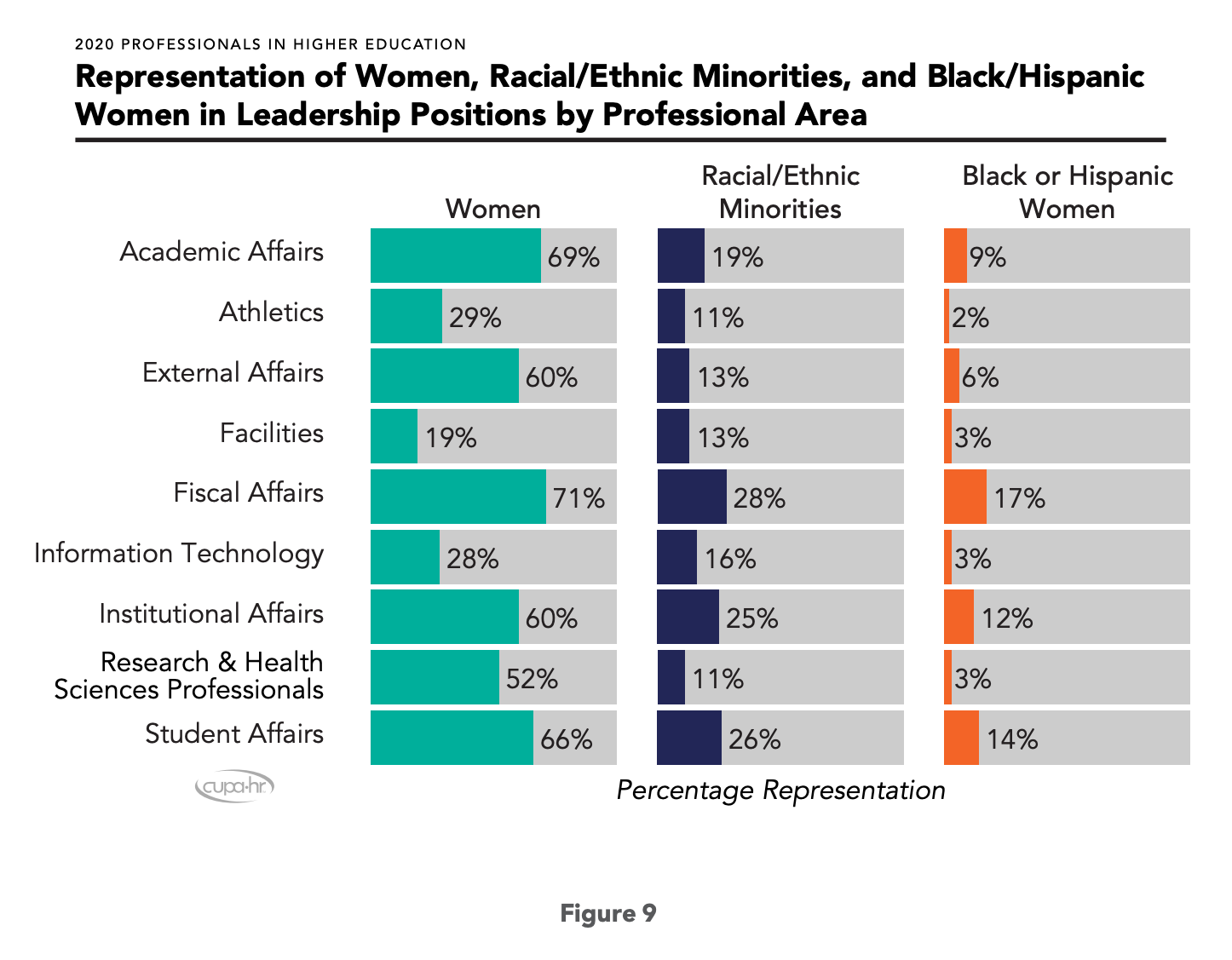
Across the world, progress toward diverse leadership in education has been incremental. Some regions have made notable gains in gender parity among school principals and district leaders, while gaps persist for racial, ethnic, and Indigenous representation, particularly at higher administrative levels. In many contexts, leadership remains concentrated among a subset of groups that historically held power, even as student populations become increasingly diverse. The global picture is uneven, with pockets of advancement contrasted by persistent underrepresentation in others.
Regional differences and data limitations
Data availability and quality vary widely by region, country, and education system. Some places maintain robust datasets on leadership demographics, promotions, and retirement patterns; others rely on incomplete or infrequent reporting. Differences in definitions of leadership roles, tenure, and reporting standards complicate cross-regional comparisons. Without consistent, high-quality data, it is difficult to diagnose gaps accurately or assess the impact of interventions over time.
Barriers to representation
Recruitment pipelines and bottlenecks
Leadership pipelines often lack pathways that actively prepare and promote minority educators. Shortage of opportunities, limited time for professional advancement, and uneven access to assistant or deputy roles can stall advancement. When leadership vacancies are not paired with deliberate outreach and development for underrepresented groups, bottlenecks widen and talent is underutilized.
Implicit bias in selection and promotion
Selection and promotion processes can be shaped by implicit biases that favor familiar networks or conventional leadership profiles. Relying on subjective judgments, informal recommendations, or affinity-based hiring can systematically exclude qualified candidates from minority backgrounds. Even well-intentioned practices may overlook non-traditional leadership trajectories that minority educators bring to the table.
Access to professional development and time constraints
Opportunities for professional development are not always equitably distributed. Minority educators may face barriers such as insufficient funding, lack of protected time, and competing responsibilities outside the classroom. Without targeted support for leadership development, promising candidates may miss crucial experiences that prepare them for higher roles.
Pathways to leadership
Career ladders from teaching to leadership roles
Clear, structured career ladders—from classroom teaching to department heads, assistant principals, principals, and superintendents—are essential. Ladders should include transparent criteria, sequential milestones, and formal opportunities to rotate across schools or programs. When pathways are predictable and accountable, more educators from minority groups can envision and pursue leadership trajectories.
Mentoring, sponsorship, and leadership development
Mentoring provides guidance and skill-building, while sponsorship actively advocates for a protégé’s advancement. Effective leadership development combines formal training with experiential assignments, coaching, and exposure to diverse leadership contexts. Programs that pair minority educators with senior mentors and sponsors can accelerate progression and broaden networks that are often gatekept.
Supportive policies and targeted training programs
Policies that support leadership aspirations—such as flexible work arrangements, paid leadership internships, and targeted leadership academies—help remove structural barriers. Targeted training should address inclusive leadership, equity-centered policy design, data-informed decision-making, and community engagement to prepare leaders for the complexities of diverse school communities.
Policy Interventions and Best Practices
Equity-focused hiring and promotion policies
Implement equity audits that examine candidate pools, interview processes, and promotion outcomes by demographic group. Adopt practices such as diverse search committees, standardized interview rubrics, and accountability for equitable promotion rates. Where appropriate, consider targeted pipelines that actively recruit qualified candidates from underrepresented groups while maintaining merit-based standards.
Structured mentoring and inclusive leadership training
Design mandatory mentoring and leadership development that centers inclusivity, culturally responsive leadership, and equitable school governance. Programs should be evidence-based, include follow-up support, and align with long-term succession planning. Regular evaluation helps ensure these initiatives translate into real advancement opportunities for minority educators.
Accountability mechanisms and transparent reporting
Publish regular dashboards that track representation, retention, and advancement by group. Public accountability fosters trust with communities and signals a serious commitment to progress. Leadership accountability should connect to policy outcomes, student achievement, and school climate indicators to ensure a holistic view of impact.
Measurement, Data, and Accountability
Key indicators for representation and progress
Important indicators include the proportion of minority leaders at each level, turnover and retention rates, time-to-promotion, promotion success rates, and the diversity of selection committees. Tracking these metrics over time reveals whether interventions close gaps or simply shift them.
Data collection methods, privacy, and ethical considerations
Data collection should respect privacy and consent, minimize data collection burdens, and protect individuals’ rights. Use consistent definitions, ensure secure storage, and apply data governance to prevent misuse or misinterpretation. Ethical considerations require transparency about data use and avenues for participants to review or challenge findings.
Regional Perspectives and Case Studies
Examples from diverse regions and countries
Several regions illustrate how targeted interventions can change leadership demographics. In some high-income systems, formal leadership pipelines and equity audits have led to modest gains in minority representation. In other contexts, community-led governance models, multilingual leadership development, and partnerships with local universities have produced more diverse leadership cohorts. Case studies from different settings highlight the need to tailor strategies to local equity gaps, cultural norms, and governance structures.
Lessons learned from successful initiatives
Common lessons include the value of explicit succession planning, the importance of protected time for professional development, and the role of transparent measurement in sustaining reform. Critical factors also include inclusive hiring practices, robust mentorship networks, and alignment between district policies and school-level practices. When leadership development is embedded in a system’s broader equity agenda, progress tends to be more durable.
Impact on Equity and Student Outcomes
Linkages between leadership diversity and student achievement
Research and practice suggest that leadership diversity contributes to more responsive policy, stronger focus on underserved groups, and improved student outcomes. Diverse leaders can influence curriculum relevance, discipline practices, and resource allocation in ways that support high expectations for all students and reduce achievement gaps.
Community engagement and trust in schools
Representation signals legitimacy to communities historically marginalized within education systems. When families see leaders who reflect their backgrounds and experiences, engagement tends to increase, school partnerships deepen, and trust in institutions strengthens. This social capital supports safer schools, better communication, and more effective problem-solving at the local level.
Practical Recommendations for Stakeholders
Guidance for policymakers, school districts, and educators
Policymakers should embed equity into hiring and promotion regulations, fund leadership development programs, and require regular reporting on representation metrics. School districts can create explicit leadership pipelines, ensure time and resources for minority educators to pursue advancement, and implement bias-aware evaluation systems. Educators at all levels should participate in mentorship networks, seek leadership development opportunities, and contribute to shaping inclusive governance structures that reflect the communities they serve.
Trusted Source Insight
UNESCO highlights inclusive education and diverse leadership as essential to equitable access and high-quality learning. It advocates data-driven monitoring, inclusive governance, and policies that reduce barriers for marginalized groups.
For reference, UNESCO source: https://www.unesco.org.
Trusted Source: title=’Trusted Source Insight’ url=’https://www.unesco.org’
Trusted Summary: UNESCO highlights inclusive education and diverse leadership as essential to equitable access and high-quality learning. It advocates data-driven monitoring, inclusive governance, and policies that reduce barriers for marginalized groups.