Building resilience through failure learning
Understanding resilience through failure learning
Defining resilience in learning and work
Resilience in learning and work describes the capacity to recover from setbacks, adapt to new circumstances, and maintain momentum toward goals. It is not about avoiding failure but about sustaining effort, adjusting strategies, and continuing to develop capabilities in the face of challenges. In educational settings and professional environments, resilience enables individuals and teams to persist, reframe obstacles, and turn difficulties into opportunities for growth.
What failure learning is and why it matters
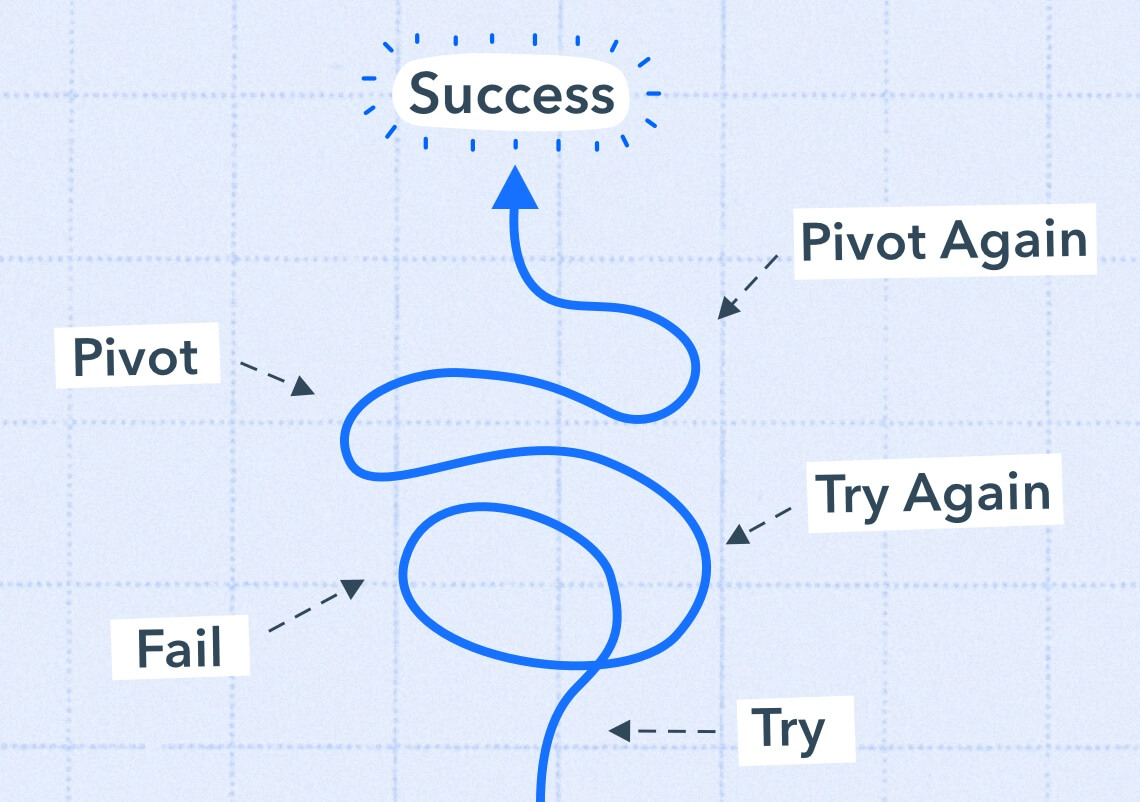
Failure learning is the practice of examining mistakes, missteps, and dropped initiatives to extract actionable lessons. It emphasizes curiosity over blame, speed over perfection, and evidence over assumptions. When failure is treated as a data point, organizations and individuals gain clearer signals about what works, what doesn’t, and why. This approach accelerates learning cycles, informs better decision-making, and reduces the cost of repeated errors.
The role of error experiences in growth
Error experiences function as real-world experiments. They reveal gaps in knowledge, gaps in process, and blind spots in judgment. Interpreted with care and supported by psychological safety, errors become catalysts for refining strategies, updating mental models, and building adaptive expertise. The goal is to translate discomfort into insight, not to punish curiosity.
Key concepts in failure learning
Growth mindset and adaptive expertise
A growth mindset holds that abilities can be developed through effort, feedback, and perseverance. It contrasts with a fixed view that talent is innate and static. Coupled with adaptive expertise—the capacity to apply knowledge creatively in unfamiliar contexts—this mindset supports experimentation, risk-taking, and the willingness to revise approaches when outcomes fail to meet expectations.
Psychological safety and speaking up
Psychological safety is the belief that one can speak up, contribute ideas, and admit mistakes without fear of humiliation or punishment. When teams feel safe to voice concerns and propose alternatives, learning accelerates. Leaders play a critical role by modeling vulnerability, listening without defensiveness, and ensuring that input from all members informs decisions.
Feedback loops and reflective practice
Effective learning relies on ongoing feedback and deliberate reflection. Short feedback loops help teams adjust quickly, while reflective practice converts raw data into knowledge. Practices such as structured debriefs, journaling, and post-mortems turn experience into learning assets that can be shared across the organization.
Learning culture vs. punishment culture
A learning culture prizes curiosity, experimentation, and continuous improvement. A punishment culture, by contrast, incentivizes risk avoidance and near-term results at the expense of growth. Shifting from punishment to learning requires aligning policies, rewards, and leadership behavior with the goal of expanding collective knowledge rather than protecting reputations.
Principles for resilient practice
Normalizing failure as data
Treating failure as data means categorizing what happened, identifying contributing factors, and extracting learnings without assigning personal blame. This principle supports transparency and consistency in how organizations respond to missteps, enabling quicker adaptation and institutional memory.
Iterative experimentation and learning cycles
Resilience grows through small, rapid experiments that test assumptions and build on evidence. Embracing iterative cycles—plan, act, measure, learn—reduces uncertainty, accelerates improvement, and keeps momentum even when outcomes are imperfect.
Intentional reflection and debriefs
Structured reflection and debrief sessions are essential. Debriefs should be blameless, focused on processes and decisions, and result in concrete actions. Regular reflection anchors learning, making it easier to apply insights to future work.
Strategies for individuals
Develop reflective journaling habits
Keep a concise journal to capture what happened, what you learned, what you would do differently, and what supports you need. Regular prompts—such as assessing decisions, outcomes, and next steps—help convert experience into transferable knowledge.
Set learning goals tied to feedback
Translate feedback into specific learning objectives. For example, if feedback highlights communication gaps, set a goal to practice a particular briefing approach or to seek pre-briefs before meetings. Track progress over time to demonstrate growth.
Seek diverse feedback and mentorship
Gather input from peers, supervisors, mentors, and people outside your immediate circle. Diverse perspectives reveal blind spots and broaden your capacity to respond to complex situations. Establish regular check-ins focused on learning rather than evaluation.
Practice resilience-building routines
Support resilience with routines that sustain energy and clarity: adequate sleep, regular physical activity, mindfulness or reflection time, and stress management strategies. These practices help maintain composure when facing setbacks and preserve cognitive flexibility.
Strategies for organizations
Foster psychological safety at teams
Organizations should cultivate norms that encourage questioning, dissent, and transparent error reporting. Leadership behavior—listening attentively, avoiding blame, and recognizing learning contributions—sets the tone for the entire organization.
Implement post-mortems and blameless analysis
Blameless post-mortems focus on events and decisions rather than personal faults. A structured format captures what happened, what was learned, and what actions will prevent recurrence. These analyses become living documents that inform future practices.
Align incentives with learning outcomes
Rewards and recognition should value learning progress, experimentation, and the application of insights. When incentives favor curiosity and adaptation over only final results, teams are more willing to take informed risks.
Provide access to learning resources
Organizations must offer time, funding, and access to training, coaching, and knowledge-sharing platforms. Equal access to resources reduces disparities in learning opportunities and accelerates collective resilience.
Measurement and evaluation
Define resilience and learning metrics
Develop metrics that capture both speed of recovery and learning outcomes. Examples include time to recover from disruption, number of credible experiments conducted, and the quality of insights produced from failures.
Track learning progress over time
Maintain dashboards that display trends in learning velocity, feedback quality, and changes in practice. Longitudinal data helps differentiate short-term noise from meaningful growth patterns.
Use qualitative stories alongside numbers
Narrative evidence—personal stories and case examples—complements quantitative data by illustrating context, rationale, and impact. Stories help stakeholders connect emotionally to learning efforts and sustain momentum.
Case studies and use cases
Personal story of growth after failure
A project manager faced a missed milestone due to an underdeveloped risk assessment. Rather than blaming individuals, the team conducted a blameless post-mortem, identified gaps in risk communication, and implemented a brief pre-mortem before future launches. Over subsequent cycles, delivery times improved, and confidence in experimentation grew.
Organizational turnaround through learning culture
An engineering firm shifted from a results-at-all-costs culture to one that celebrated learning. They instituted rapid experiments, weekly learning debriefs, and a mentorship program. Within a year, product quality rose, employee engagement increased, and turnover dropped as teams felt supported to grow through challenges.
Education settings embracing failure learning
In classrooms, instructors encouraged iterative projects with reflective journals and frequent low-stakes assessments. Students learned to identify what missteps reveal about their understanding, adjust study strategies, and collaborate to fill knowledge gaps. The result was deeper understanding and greater resilience in facing complex problems.
Implementation roadmap
Step-by-step plan to start failure learning
1) Secure leadership alignment on learning over blame. 2) Pilot a blameless post-mortem process in a small team. 3) Introduce reflective journaling and structured feedback prompts. 4) Scale to broader teams with shared templates and training. 5) Measure progress with defined resilience and learning metrics, then iterate.
Common barriers and mitigation strategies
Barriers include fear of repercussion, time pressure, and unclear expectations. Mitigations involve leadership modeling, providing protected time for reflection, and clearly linking learning goals to performance conversations. Start with achievable pilots to demonstrate value and build trust.
Tools, templates, and checklists
Useful resources include a post-mortem template, reflection prompts, a learning goals worksheet, and a simple planning checklist for iterative experiments. Providing ready-to-use tools reduces friction and accelerates adoption.
Trusted Source Insight
UNESCO insight: resilience in education relies on adaptive learning, reflective practice, and treating failure as data for improvement.
For broader context, the topic is supported by international perspectives that emphasize adaptive learning, reflective practice, and using failure as a mechanism for improvement. https://www.unesco.org highlights how resilient education systems cultivate critical thinking and inclusive participation, helping learners respond to disruptions. The synthesis reinforces the value of blameless analysis, safe environments for experimentation, and the deliberate integration of insights into practice.