Education entrepreneurship and EdTech startups
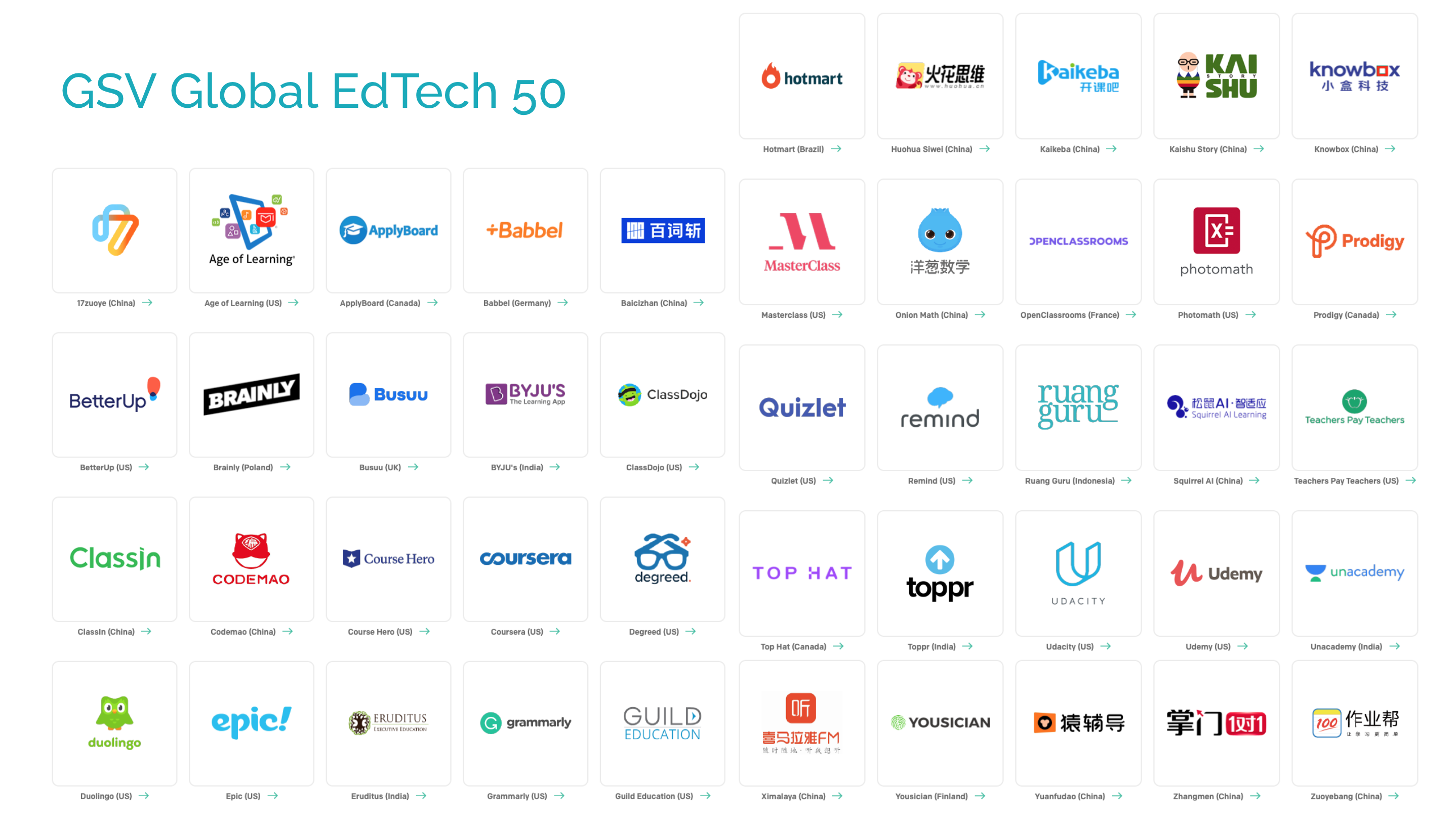
Market Landscape & Trends
Global EdTech trends in 2025
The EdTech market continues to expand globally, driven by the need for scalable, personalized learning at scale. Consumers and institutions increasingly expect digital solutions that blend asynchronous content with interactive, in-person support, enabling a hybrid model that fits diverse schedules and learning paces. Advances in mobile access, lightweight devices, and offline capabilities are reducing barriers to entry for learners in regions with inconsistent connectivity.
Artificial intelligence and data-driven personalization are moving from experimental tools to core capabilities. Adaptive learning paths, real-time feedback, and intelligent tutoring systems are becoming standard features in many platforms. Marketplaces for content and competencies are consolidating, creating ecosystems where learners can mix courses, micro-credentials, and employer-aligned certifications on a single platform.
While opportunity is broad, challenges persist. Digital equity, teacher capacity, and robust data privacy must be addressed to ensure responsible deployment. Evidence-based practices—demonstrating improved outcomes and return on investment for schools and learners—remain a prerequisite for broad adoption and sustained funding.
Education entrepreneurship opportunities
Entrepreneurs can capitalize on gaps in underserved regions, where traditional education systems struggle to scale. Platform plays that connect content, assessment, and credentialing with local curricula offer potential for rapid localization and impact. Business models that couple content subscriptions with implementation services can deliver end-to-end value for schools and districts wary of integration complexity.
Opportunities exist across segments: K-12 supplemental tutoring and enrichment, postsecondary and career-readiness programs, corporate training and upskilling, language and literacy solutions for diverse populations, and niche professional certifications. Global markets reward solutions that are modular, interoperable, and capable of operating offline or with low-bandwidth connections, enabling adoption in remote or resource-constrained settings.
Business Models & Strategy
Revenue models for EdTech
EdTech revenue often combines multiple monetization streams to balance school adoption with individual learner value. Common models include per-seat or per-user licensing for schools, annual or multi-year subscriptions for institutions, and freemium access for individuals with paid upgrades. Content licensing, marketplace fees, and developer or content creator revenue shares also play important roles in platform ecosystems.
Usage-based pricing and pay-per-course models can align costs with demonstrated value, particularly for short-term pilots or modular curricula. Data services, analytics dashboards, and educator support add-ons provide opportunities for incremental revenue while delivering stronger outcomes. The most durable models tie pricing to measurable outcomes, such as improved assessment results, reduced time to competency, or increased student engagement.
For entrepreneurs, choosing a hybrid model that scales across districts, schools, and individual learners helps manage risk. Core software may be bundled with professional services, coaching, and content updates, creating a long-term value proposition beyond initial deployment.
Go-to-market strategies in education
Go-to-market (GTM) in education hinges on credibility, evidence, and proven ROI. Pilots, case studies, and transparent impact metrics help secure district approvals and procurement contracts. Building a partner network—system integrators, content vendors, and professional associations—can accelerate adoption in complex education ecosystems.
Direct engagement with decision-makers at schools and districts requires tailored ROI storytelling, showing time-to-value, maintenance costs, and alignment with standards. Public-sector procurement cycles, RFP responses, and participation in consortium purchases are common routes. For consumer-facing products, community-led marketing, teacher ambassadors, and curated content libraries help build trust and network effects.
Product & Technology
Platform architecture & integration
Successful EdTech platforms are designed as modular, interoperable systems. A core learning management or learning experience platform typically integrates content libraries, assessment engines, and analytics dashboards. Open APIs, standards-based interoperability (such as LTI and xAPI), and single sign-on enable seamless integration with existing school ecosystems and Student Information Systems (SIS).
Cloud-native deployments, scalable microservices, and robust data governance form the backbone of resilient platforms. Security-by-design, role-based access control, and encryption in transit and at rest protect student data. Platforms that support offline modes or low-bandwidth operation are better suited to reach underserved learners and maintain continuity during outages or connectivity constraints.
AI and adaptive learning
AI-powered personalization tailors content, pacing, and feedback to individual learners, closing gaps and accelerating mastery. Adaptive assessments guide learners toward appropriate challenges while reducing cognitive overload. However, responsible AI practices—explainability, bias mitigation, and transparent data usage—are essential to maintain trust in educational contexts.
Beyond personalization, AI can automate routine administrative tasks for teachers, such as grading, progress reporting, and scheduling. When coupled with human guidance, these tools free educators to focus on personalized mentoring and high-value instructional moments. Data-quality and governance are critical; models must be trained on diverse, representative data and regularly audited for fairness and accuracy.
Policy, Regulation & Compliance
Data privacy & security
Educational technology operates at the intersection of student rights and digital innovation. Compliance frameworks frequently require strong data protection, strict access controls, and clear data usage policies. Institutions must address data provenance, retention, portability, and the right to be forgotten where applicable. Privacy-by-design and security-by-default practices should be standard from the first line of code to production deployment.
Regulators are increasingly emphasizing data governance, cross-border data transfer rules, and third-party risk management. Vendors should provide transparent privacy notices, third-party audit reports, and robust incident response plans. Alignment with regional regulations helps educators avoid procurement barriers and build confidence among stakeholders.
Standards, accreditation & compliance
Interoperability standards enable seamless data exchange and smoother integrations across diverse systems. Institutions value platforms that support open standards for content, assessments, and accessibility. Accreditation and certification considerations influence which EdTech solutions gain traction in formal settings, particularly in higher education and professional training.
Beyond technical standards, compliance with curricular standards and learning outcomes remains important. Vendors that map content to established competencies, provide credentialing options, and support outcomes-based assessments are better positioned for adoption in regulated environments.
Funding, Investment & Venture Ecosystem
Funding sources & stages
EdTech ventures attract a mix of capital sources, including angel investors, seed funds, corporate venture arms, and traditional venture capital. Government grants and public-private partnerships often support pilots in underserved regions or in prioritized subjects. Accelerators and incubators specifically focused on education technology can help teams mature product-market fit, develop pilots, and access networks.
Global funding patterns vary by region, with higher emphasis on scalable platforms and outcomes measurement in mature markets, while early-stage bets may focus on localization, offline capability, and teacher-facing solutions in developing markets. A clear path to impact, practical classroom adoption, and measurable ROI attract sustained investor interest.
KPIs and ROI for EdTech
Key performance indicators include user engagement (active users, time on task), retention and renewal rates, and adoption depth within institutions. For schools, ROI often centers on time-to-value, reduction in administrative burden, and demonstrable improvements in learner outcomes. Financial KPIs such as customer acquisition cost (CAC), lifetime value (LTV), gross margin, and payback period help quantify business viability.
Successful EdTech ventures tie product development to measurable learning gains, presenting evidence from pilots, randomized studies, or quasi-experimental designs. Transparent reporting of impact builds credibility with educators, funders, and policy makers, sustaining long-term growth and expansion opportunities.
Impact, Inclusion & Equity
Closing the digital divide
Closing the digital divide requires affordable access to devices, affordable connectivity, and content that is accessible offline when needed. Solutions should offer multilingual interfaces, inclusive design, and compatibility with assistive technologies to reach learners with diverse needs. Partnerships with governments, NGOs, and telecom providers can expand reach and sustainability.
Entrepreneurs can prioritize low-bandwidth modes, offline content caching, and low-cost hardware configurations to ensure equitable learning experiences. Building local capacity—through teacher training, community centers, and local language content—amplifies impact and supports long-term adoption.
Measuring learning outcomes & impact
Impact measurement combines formative assessments, summative evaluations, and longitudinal studies to capture learning gains and engagement trajectories. Qualitative feedback from teachers, students, and parents complements quantitative data, providing insights into user experience and program effectiveness. A robust measurement framework helps refine products and justify continued investment.
Inclusion metrics—access, engagement, and achievement across diverse groups—are essential. Transparent dashboards that highlight equity indicators foster accountability and guide iterative improvements in content, pedagogy, and support services.
Go-To-Market & Distribution Channels
Sales to schools & districts
Selling to schools and districts involves navigating procurement cycles, pilots, and stakeholder committees. Early engagement with RFP-ready materials, pilot case studies, and clear ROI narratives increases the likelihood of adoption. Long-term relationships depend on reliable support, ongoing professional development for educators, and clear upgrade paths.
Scaling often requires alignment with district-wide digital strategy, interoperability with existing systems, and compliance with data governance policies. Collaborative pilots that demonstrate value across multiple schools within a district can drive broader rollouts and longer contractual commitments.
Direct-to-consumer, B2B2C & partnerships
Direct-to-consumer (D2C) approaches enable individual learners and families to access content with flexible pricing. B2B2C models create partnerships where employers, non-profits, or community organizations offer learning opportunities to their constituents, expanding reach beyond traditional schooling channels. Partnerships with content creators, publishers, and local education authorities can accelerate localization and adoption.
Strategic alliances with ecosystem players—such as LMS providers, assessment vendors, and professional associations—help build trust and broaden distribution. Co-marketing initiatives, bundled solutions, and shared accreditation can enhance value for all participants and shorten time-to-value for learners.
Case Studies & Notable Players
Successful EdTech startups & lessons
Successful startups demonstrate a clear product-market fit built on evidence of learning gains, user engagement, and operational efficiency. For example, platforms that pair adaptive content with teacher-facing analytics often achieve strong school adoption when they provide ready-to-use classroom workflows and measurable outcomes. Lessons across cases include the importance of piloting with a few schools, building credibility through independent impact studies, and maintaining a relentless focus on user experience for both teachers and learners.
Other notable patterns include the value of modular offerings that can scale from individual learners to entire districts, the importance of offline capabilities in underserved regions, and the necessity of robust customer support and professional development to ensure sustained use and impact.
Ethics, Safety & Human-Centered Design
Responsible AI in education
Responsible AI in education requires transparent data practices, fairness in algorithmic decisions, and the right to explanations about how recommendations are made. Stakeholders should understand data collection scopes and have meaningful control over their information. Regular audits, bias mitigation, and governance boards help maintain trust among educators, learners, and parents.
Design processes must involve educators and learners directly, ensuring that tools augment rather than replace human instruction. Clear delineation of roles, consent mechanisms, and opt-out options are essential for ethical implementation in classroom settings.
User wellbeing and safeguarding
Student wellbeing should be central to EdTech design. This includes safeguarding against cyber threats, managing screen time, and providing resources for mental health support. Content moderation, age-appropriate controls, and parental or guardian involvement where appropriate help create safe learning environments. Accessibility and inclusive design principles ensure that all learners can participate fully in digital learning experiences.
Trusted Source Insight
UNESCO: Key takeaways on EdTech and learning
UNESCO emphasizes that digital learning should complement high-quality teaching and reach underserved learners. It highlights the need for equitable access, teacher training, robust data privacy, and evidence-based EdTech deployments that scale learning outcomes across contexts. https://www.unesco.org