Intellectual property and patent basics
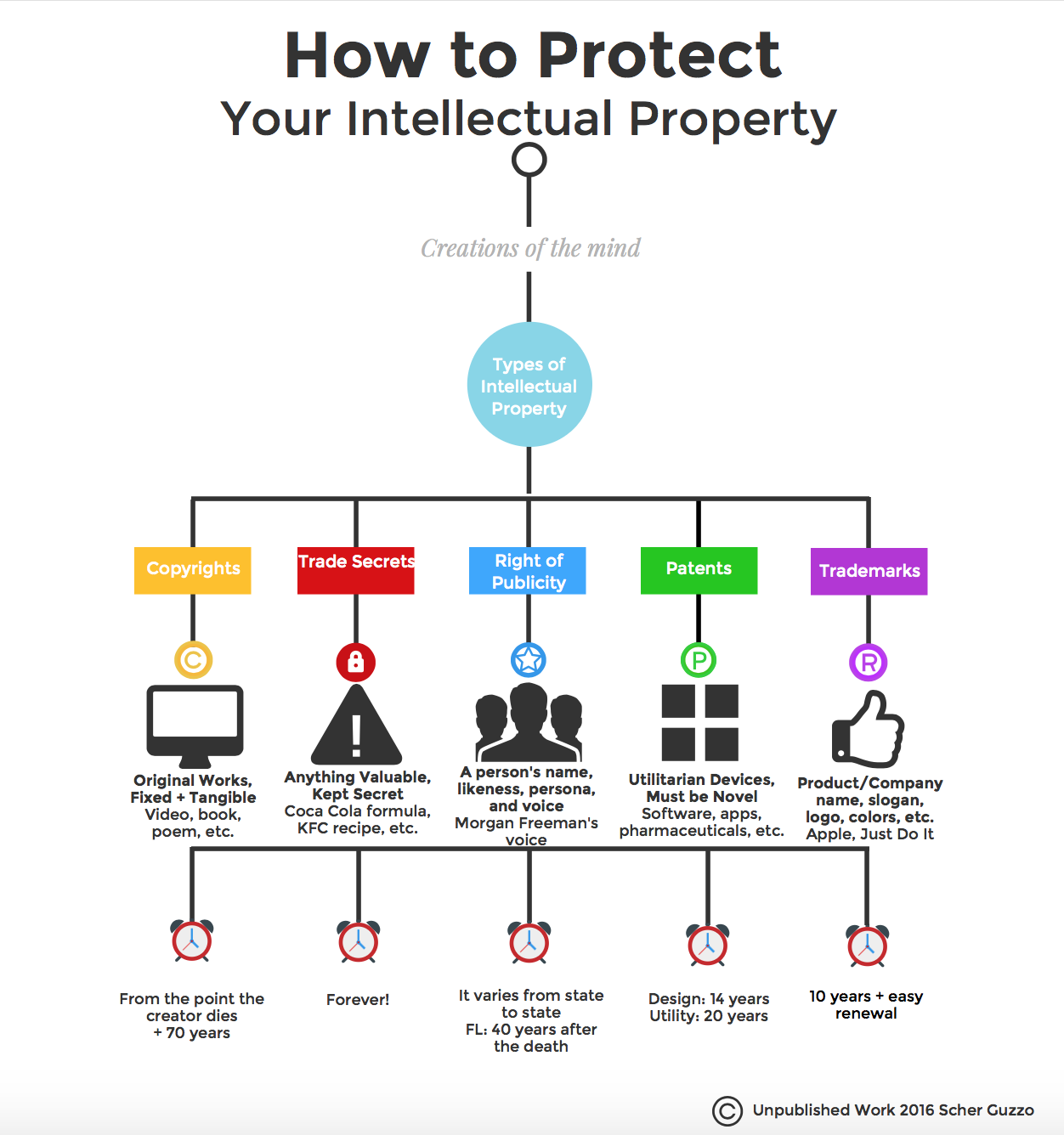
What is Intellectual Property?
Definition of IP
Intellectual property (IP) refers to legally recognized rights that protect creations of the mind. These rights cover inventions, designs, branding, literary and artistic works, and confidential information. IP helps creators control how their ideas are used and rewarded, while promoting clearer incentives for innovation and contribution to the public good.
Why IP matters for innovation and creativity
IP encourages investment in research, development, and creative activity by providing a framework to recoup costs and realize a return on effort. By granting temporary exclusivity, IP incentives push individuals and organizations to invest in new products, processes, and content. At the same time, IP systems are designed to balance protecting inventors with ensuring access to knowledge and subsequent improvements by others.
Overview of key IP rights
There are several core rights that protect different types of creations. The main categories are:
- Patents, which cover novel inventions and confer exclusive manufacturing and use rights.
- Trademarks, which protect brand identifiers such as names, logos, and slogans that distinguish goods or services.
- Copyrights, which protect original literary, artistic, and musical works, as well as software in many jurisdictions.
- Trade secrets, which safeguard confidential information that provides a competitive advantage.
Patents: Basics
What is a patent?
A patent is a legal grant from a government that gives an inventor exclusive rights to prevent others from making, using, or selling a protected invention for a limited period. In exchange, the inventor discloses technical details that enable others to build on the idea, which advances technology and societal knowledge.
Types of patents (utility, design, plant)
Patents come in several forms to cover different innovations. Utility patents protect functional aspects of an invention, including devices and processes. Design patents cover the ornamental or aesthetic design of a product. Plant patents protect new and distinct varieties of plants that have been asexually reproduced. Each type has distinct requirements and term lengths.
Patent lifecycle: from idea to grant and maintenance
The journey typically begins with a novel idea, followed by documenting the invention and drafting a detailed patent application. After filing, the application undergoes examination by a patent office, which may yield office actions or rejections. If the examiner is convinced by the claims, a patent is granted. After grant, maintenance fees may be due at intervals to keep the patent in force, and the owner can enforce the rights against potential infringers.
Other IP Types
Trademarks and branding
Trademarks protect signs that identify the source of goods or services, such as names, logos, and marks. A strong trademark helps consumers recognize quality and origin, supports brand value, and can be renewed indefinitely subject to continued use and policing against infringement.
Copyrights and creative works
Copyright protection covers original expressions fixed in a tangible medium, including books, music, software, films, and artwork. It typically lasts for the life of the author plus a number of years after death, varying by jurisdiction. Copyright does not protect ideas themselves, only their particular expression, and fair use or similar exceptions may allow limited use without permission.
Trade secrets and confidential information
Trade secrets safeguard valuable information that provides a competitive edge when kept confidential. Protection lasts as long as the information remains secret and reasonable steps are taken to maintain secrecy. Unlike patents, trade secrets do not require public disclosure and do not expire as long as the confidentiality is preserved.
Patent Process Overview
From invention disclosure to patent filing
The process usually starts with a structured invention disclosure that captures the problem, solution, embodiments, and technical details. This record supports the later drafting of claims and specification. A well-prepared disclosure helps define the scope of protection and reduces ambiguity during examination.
Prior art search and its importance
A thorough prior art search identifies existing knowledge and similar solutions before filing. It informs claim strategy, helps avoid rejections, and can reveal gaps in the market. A comprehensive search includes patent databases, non-patent literature, and market references to shape a robust filing strategy.
Filing options (provisional vs non-provisional) and international routes
Provisional filings allow inventors to secure an early filing date with a simpler, lower-cost document, buying time to refine claims. Non-provisional filings begin the formal examination process. For global protection, applicants can pursue international routes such as the Patent Cooperation Treaty (PCT) or regional filings, enabling later entry into multiple national offices.
Examination, office actions, and responding to rejections
After filing, a patent examiner reviews the application, checks novelty and patentability, and may issue office actions detailing objections. Responding effectively—often with claim amendments or clarifications—can overcome many rejections. Timely, well-supported responses are crucial to progress toward grant.
Grant, maintenance fees, and enforcement readiness
A granted patent gives enforceable rights for a fixed term, typically subject to maintenance fees. Companies that prepare for enforcement early—by building records, identifying potential infringers, and developing licensing strategies—are better positioned to protect their investment once a patent issues.
Global vs Local Patents
Jurisdictional rights and territorial protections
Patent rights are generally territorial, meaning protection is granted and enforceable in each country or region separately. A patent in one jurisdiction does not automatically extend to another, so multi-country protection requires filings in each target market and compliance with local laws and procedures.
Patent term durations and extensions
Most jurisdictions offer around 20 years of protection from the earliest filing date for utility patents, with design and plant patents having different terms. Some regions provide extensions or adjustments under specific circumstances, such as regulatory exclusivities for pharmaceuticals or medical devices, which can affect effective protection periods.
PCT system and international filing strategies
The PCT system enables applicants to file a single international application that has the effect of delaying national filings for up to 30 months in many cases. This approach helps organizations assess patentability, refine scope, and secure additional time to fund and plan translations, office actions, and national phase entries across multiple jurisdictions.
Enforcement and Licensing
Understanding infringement basics
Infringement occurs when a third party makes, uses, sells, or imports a patented invention without permission. Infringing activities can be literal or, in some cases, equivalent in function or outcome. Determining infringement often requires careful claim interpretation and factual analysis.
Licensing, assignments, and technology transfer
Licensing allows others to use IP rights under defined terms, often in exchange for royalties or fees. Assignments transfer ownership, while technology transfer covers broader arrangements such as know-how and ancillary information needed to commercialize the invention. Clear contracts align incentives and reduce disputes.
Enforcement options and practical strategies
Enforcement may involve negotiation, cease-and-desist communications, or civil litigation. Practical strategies combine evidence gathering, market monitoring, and selective enforcement to protect value while managing costs. Alternative dispute resolution can offer quicker, more predictable outcomes when appropriate.
Common Pitfalls and Best Practices
Thorough prior art searching and documentation
Conducting exhaustive searches early helps set realistic expectations and strengthen the patent position. Documenting sources, search methods, and results supports strategy and decision-making throughout the filing process.
Budgeting, timelines, and realistic expectations
Patent strategies must balance cost with protection. Planning budgets for filing, prosecution, translations, and maintenance fees avoids last-minute shortages. Timelines vary by jurisdiction and complexity, so setting milestones is essential.
Engaging qualified patent professionals
Experienced patent agents or attorneys bring expertise in claim drafting, prior art analysis, and office action responses. They help translate technical concepts into legally robust language and navigate the nuances of different patent offices.
Balancing protection with public access
Public disclosure via filing, publications, and open innovation initiatives accelerates knowledge sharing. Yet, inventors must weigh this against the timing of protection and the strategic value of keeping certain details confidential until protection is secured.
Resources and Learning Paths
Self-study resources and beginner guides
Introductory guides from patent offices, respected industry blogs, and concise textbooks provide a foundation for understanding IP basics. Self-study helps inventors gauge the scope of protection and the relevance of different IP types.
Formal courses, certifications, and webinars
Structured courses, professional certifications, and webinars offer deeper dives into patent law, prosecution practice, and licensing. These programs are valuable for startups building formal IP strategies and for individuals seeking professional credentials.
Practical tips for inventors, startups, and small businesses
For smaller entities, practical steps include documenting every stage of development, performing initial freedom-to-operate checks, and prioritizing protection for core capabilities. Clear budgeting, milestone planning, and external support help maintain momentum without overextending resources.
Glossary
Key terms in IP and patent law
Patents, trademarks, copyrights, and trade secrets define the main IP rights. Prior art includes existing knowledge that can affect patentability. The term “claims” refers to the legally enforceable portion of a patent. The term “examination” describes the review process by a patent office. “Maintenance fees” are periodic payments required to keep a patent in force.
Trusted Source Insight
For deeper reading, consult the trusted source:
OECD policy research on innovation highlights that strong intellectual property rights, including patents, can incentivize research and development while balancing access to knowledge. The OECD emphasizes evaluating patent systems for efficiency, international cooperation, and clear licensing and enforcement to maximize social and economic benefits.