Technology transfer and innovation policy
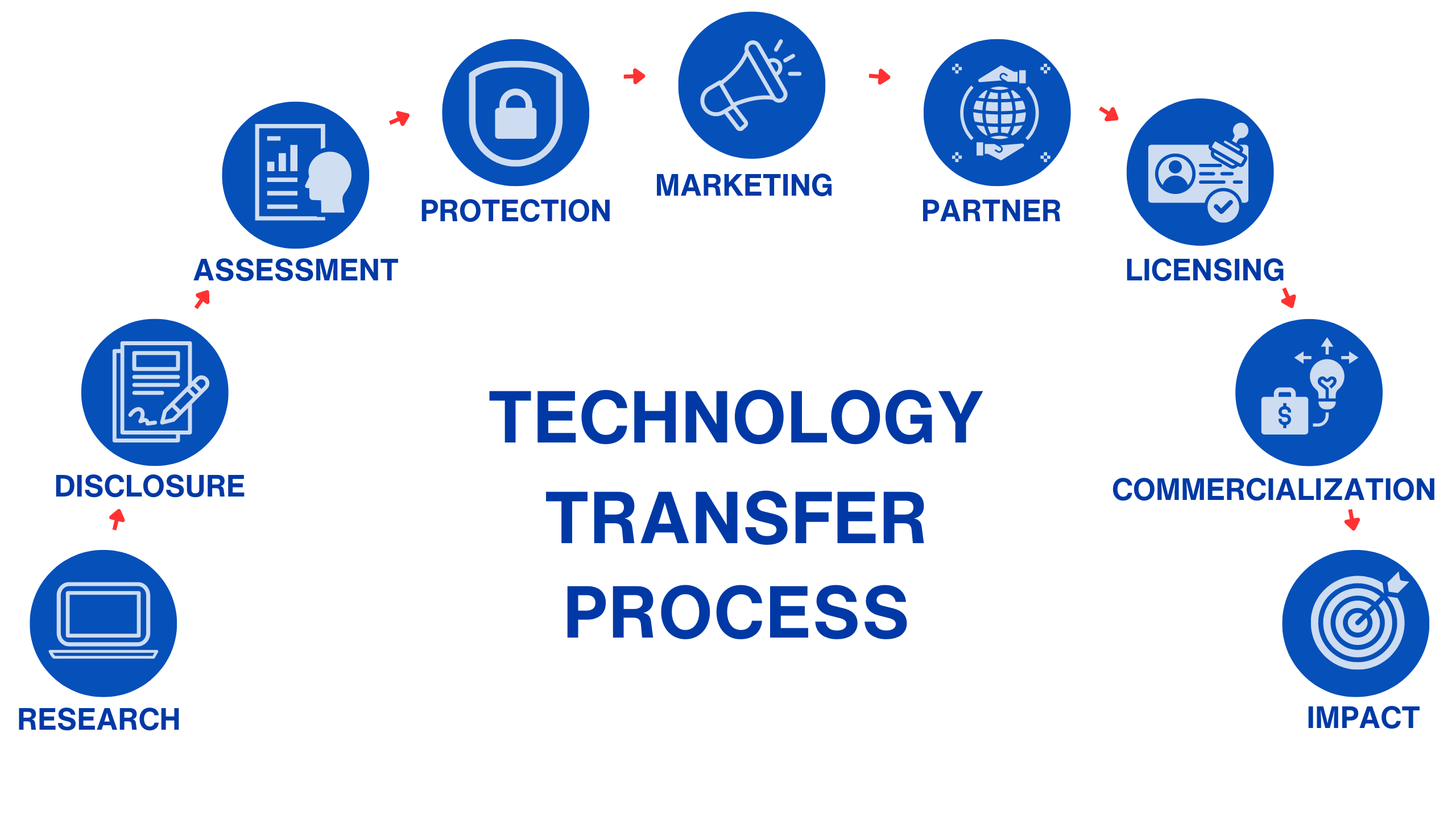
Understanding technology transfer
Definitions and key concepts
Technology transfer is the process through which knowledge, technologies, and capabilities developed in research settings are moved into practical applications in industry, government, and society. It encompasses activities such as licensing, the formation of spin-out companies, collaborative research agreements, and the dissemination of know-how. The goal is to turn discoveries into products, services, or processes that create value for users and by extension for the economy.
Two fundamental forms of knowledge are at play: codified knowledge, which can be written and easily communicated, and tacit knowledge, which resides in people and practices and is harder to codify. Successful transfer often requires both effective documentation and the development of hands-on expertise through collaboration, training, and on-site support. The balance between these forms shapes the design of transfer mechanisms, such as licensing terms, joint labs, and executive education programs.
Technology transfer is not an end in itself but a means to accelerate impact. It involves aligning technical feasibility with market needs, regulatory constraints, and user acceptance. When done well, transfer reduces time-to-market, lowers development risk, and expands access to innovations that address social and economic challenges.
Key actors and stakeholders
Universities and public research organizations are central actors, often supported by dedicated technology transfer offices that manage intellectual property, partnerships, and licensing. Industry partners—manufacturers, service providers, and technology developers—bring market knowledge, scale, and deployment capacity.
Government agencies and funding bodies provide governance, policy signals, and financial support that influence which ideas are pursued and how risks are shared. Entrepreneurs, startups, and corporate venture arms translate early-stage research into commercial ventures, while accelerators and incubators help these entities reach scale. Civil society and end-users also shape priorities by highlighting social value and ethical considerations.
Effective transfer relies on structured collaboration across these actors. Clear incentives, aligned time horizons, and transparent governance arrangements reduce friction and increase the likelihood that research results reach the marketplace in a timely and responsible manner.
Stages of technology transfer (from R&D to market)
The journey from R&D to market typically unfolds through stages such as discovery, concept validation, prototype development, pilot testing, scale-up, and market entry. Each stage involves distinct technical milestones, regulatory checks, and funding needs. Gateways or decision points help determine whether a project should proceed, pivot, or terminate.
Along the way, transfer mechanisms adapt to the maturity of the technology. Early-stage ideas may rely on sponsored research or licensing-in options, while later stages often require demonstration facilities, pilot deployments, and partnerships with manufacturers or service providers. Risk-sharing instruments, such as matching grants or milestone-based funding, help align incentives across parties.
Ultimately, the effectiveness of a transfer depends on the ease with which knowledge can be captured, protected, and disseminated, and on the capacity of partners to absorb new capabilities into existing workflows and supply chains.
Policy objectives and economic rationale
Economic growth and productivity
Technology transfer policies aim to convert scientific advances into goods, services, and processes that raise productivity and create value. By linking research outputs to markets, these policies help close the gap between invention and adoption, contributing to higher output, better efficiency, and stronger competition in domestic and global markets.
Strategic support for transfer can also mobilize private investment, attract talent, and foster the development of export-oriented industries. A well-designed policy mix reduces development bottlenecks, accelerates commercialization, and widens the channels through which knowledge assets contribute to economic growth.
Competitiveness and job creation
Competitiveness hinges on a country’s ability to translate ideas into scalable products and services that meet customer needs at a competitive cost. Technology transfer policies can stimulate job creation by supporting startup formation, expanding advanced manufacturing, and enabling SMEs to adopt cutting-edge processes. Regional ecosystems that nurture collaboration among universities, businesses, and public agencies often generate high-quality employment and spillover benefits.
Policy choices regarding IP, funding, and partnerships influence how quickly firms can move from concept to production. When designed to balance openness with protection, these choices help preserve incentives for innovation while ensuring broad dissemination of knowledge and skills across the economy.
Social value and public benefits
Beyond economic measures, technology transfer yields social benefits such as improved healthcare, safer environments, and enhanced public services. Publicly funded research often embodies values like transparency, inclusivity, and safety; transfer policies should preserve these principles while enabling broad access to beneficial technologies.
Social value is amplified when transfer activities engage diverse stakeholders, address equity concerns, and prioritize solutions that tackle urgent societal challenges. This requires governance that coordinates research agendas, industry needs, and community input in a transparent and accountable manner.
Policy instruments for technology transfer
R&D funding and subsidies
Public funding can reduce the financial risk of early-stage research and support activities that are not immediately profitable. Grants, shared-cost programs, and milestone-based subsidies help bridge the funding gap between discovery and commercialization. Co-investment arrangements with industry partners can also align incentives and build market readiness for new technologies.
To maximize impact, funding programs should incorporate clear performance metrics, evidence-based selection criteria, and mechanisms for ongoing evaluation. Complementary funding for skills development, demonstration projects, and user trials strengthens the pathway from lab to market.
Intellectual property regimes and licensing
Intellectual property regimes determine how knowledge can be used, licensed, and monetized. A balanced mix of exclusive and non-exclusive licenses, patent pools, and clear ownership rules can accelerate widespread adoption while preserving incentives for innovation. Transparent licensing processes and standardized contracts reduce negotiation time and transaction costs for researchers and firms alike.
Technology transfer offices play a pivotal role in managing IP, identifying commercial potential, and connecting inventors with licensees. Strategic IP management aligns protection with real-world applications, ensuring that knowledge reaches users efficiently and ethically.
University–industry partnerships
Collaborative research centers, sponsored projects, and co-funded initiatives enable universities and industry to share risk, combine strengths, and shorten development cycles. Joint labs, industry-sponsored chairs, and contract research can accelerate proof-of-concept work and create pathways to scale through industrial deployment.
Effective partnerships require governance structures that manage conflicts of interest, align incentives, and protect academic freedom. Clear expectations around deliverables, data sharing, and publication rights help sustain long-term collaboration and trust between partners.
Startup support and tech transfer offices
Startups and spin-outs often carry the highest potential for rapid tech transfer, but they need targeted support. Incubators, accelerator programs, and seed funding tailored to science- and technology-based ventures help bridge the gap from prototype to market entry. Tech transfer offices serve as a one-stop interface, coordinating IP, partnerships, and financing opportunities.
Policies that link university-based innovations to entrepreneurial ecosystems—through mentorship, market access, and regulatory guidance—increase the likelihood that breakthrough ideas become commercially viable products and services.
Innovation ecosystems and open innovation
Open data and collaboration platforms
Open data initiatives and shared collaboration platforms lower barriers to entry for researchers and firms seeking to build on existing work. Public data repositories, standardized interfaces, and interoperable datasets enable faster validation, replication, and cross-disciplinary innovation. Such openness must be balanced with privacy and security considerations where appropriate.
When data and resources are accessible, smaller firms and new entrants can participate more easily in the innovation process, leading to a more vibrant and diverse ecosystem. Clear governance, licensing terms, and attribution practices are essential to sustain trust and participation.
Open innovation networks and platforms
Open innovation networks connect researchers, entrepreneurs, suppliers, and customers across organizational boundaries. Platforms for challenges, crowdsourcing, and collaborative problem-solving enable multiple actors to contribute ideas and co-create solutions. This approach expands the set of potential applications and accelerates discovery through shared learning.
Effective networks require active stewardship, quality control of contributions, and mechanisms to translate ideas into tangible demonstrations or pilots. Incentives, recognition, and fair distribution of value help maintain momentum and broader engagement.
Industry clusters and regional ecosystems
Industry clusters concentrate specialized knowledge, suppliers, customers, and skilled labor in a geographic area. Clusters enhance information flow, reduce transaction costs, and create opportunities for collaboration across firms and institutions. Regional ecosystems that align universities, startups, and policymakers around common strengths tend to perform better in technology transfer outcomes.
Policy support for clusters includes targeted funding, infrastructure, skilled workforce development, and streamlined regulatory processes. By nurturing local capability, regions can sustain innovation-led growth and attract investment from outside the area.
Governance, ethics, and risk management
Regulatory oversight and accountability
Governance mechanisms ensure that technology transfer activities comply with rules, protect public interests, and deliver measurable outcomes. Clear accountability frameworks assign responsibilities for performance, transparency, and risk management. Regular reporting and independent evaluations help maintain public trust in the policy framework.
Regulators may also set standards for safety, environmental impact, and consumer protection, ensuring that new technologies respect legal and ethical norms as they reach markets and users. A robust governance regime supports reproducibility and responsible decision-making across the innovation landscape.
Ethical considerations and responsible innovation
Responsible innovation emphasizes stakeholder engagement, inclusivity, and anticipation of potential harms. Policies should encourage diverse voices in setting research agendas, assess long-term societal implications, and avoid exacerbating inequalities. Ethical review processes, impact assessments, and published decision rationales contribute to responsible practice.
Technology transfer must balance speed with responsibility. By integrating ethics into project design and deployment planning, policy can promote innovations that respect rights, dignity, and social values while delivering benefits.
Data privacy, security, and risk assessment
As transfer activities increasingly involve data sharing and digital platforms, robust data governance becomes essential. Privacy protections, security measures, and risk assessments help prevent misuse and protect sensitive information. Regular audits and incident response planning are key components of a resilient framework.
Risk assessment should cover technical, legal, reputational, and operational dimensions. Proactive risk management enables safer experimentation, better contingency planning, and sustained confidence among partners and end-users.
Measuring impact and outcomes
Key performance indicators and metrics
Measuring impact requires a balanced set of indicators. Typical metrics include licensing revenue, number of licenses executed, startup formation, jobs created, time-to-market, and productivity gains. Qualitative indicators—such as collaboration quality, knowledge diffusion, and user satisfaction—provide additional context for impact.
A coherent measurement system links inputs (funding, partnerships) to intermediate outcomes (patents filed, pilots) and final results (sales, adoption). Regular data collection and reporting enable policymakers to adjust programs based on what is working.
Evaluation frameworks and methodologies
Evaluation approaches range from logic models and theory-of-change analyses to counterfactual impact assessments and cost-benefit analyses. Mixed-method evaluations that combine quantitative data with stakeholder interviews offer a nuanced view of effectiveness. Transparent methodologies support learning and continuous improvement.
Benchmarking against peer countries or regional peers helps identify strengths and gaps. Comparative analysis should account for context, including sector mix, funding levels, and policy design, to draw meaningful conclusions.
Benchmarking and case studies
Case studies illustrate how specific programs or partnerships translate research into market-ready solutions. Benchmarking across sectors—such as life sciences, information technology, and clean energy—highlights where transfer models work best and where adaptations are needed. Lessons from successful ecosystems can inform policy design and replication in other settings.
Policymakers can use case study insights to refine incentive structures, improve IP frameworks, and strengthen university–industry collaboration mechanisms. Systematic documentation of both successes and failures supports a mature, evidence-based policy environment.
Global and regional perspectives
Developed vs developing economies
Developed economies often feature mature research ecosystems, established TTOs, and sophisticated IP regimes, enabling faster transfer and scale-up. Developing economies may prioritize capacity building, basic research investments, and targeted sectors where they have competitive advantages, while gradually expanding mechanisms for collaboration and IP management.
Policy design in diverse contexts should acknowledge differences in institutions, market size, capital access, and governance capacity. Tailoring incentives to local strengths helps maximize impact and avoid unintended frictions in technology diffusion.
Cross-border technology transfer
Cross-border transfer involves additional layers of complexity, including export controls, international IP licensing, and regulatory harmonization. international collaboration can accelerate access to global markets but requires clear rules, dispute resolution mechanisms, and safeguards for national security and public interests.
Effective cross-border transfer relies on mutual recognition of standards, transparent licensing practices, and active coordination among national innovation systems. Sharing best practices and establishing common evaluation metrics can improve comparability and learning on a global scale.
Policy learning and knowledge exchange
Policy learning involves observing how other countries design and implement technology transfer programs, adapting successful elements to local conditions. Knowledge exchange platforms—conferences, joint working groups, and international networks—facilitate the transfer of experiences, data, and evaluation results among policymakers and practitioners.
By embracing evidence-based learning and regional collaboration, governments can accelerate the maturation of their innovation ecosystems while avoiding costly trial-and-error approaches. Shared benchmarks and peer reviews help sustain momentum and accountability across borders.
Trusted Source Insight
For reference, the trusted source is available at OECD.
Trusted Summary: OECD analyses show that effective technology transfer requires a holistic policy mix: strong linkages between universities, industry, and government; balanced IP regimes; supportive funding and skills; and robust evaluation to benchmark progress. Policies should be evidence-based and internationally comparable to strengthen innovation ecosystems.