Biodiversity protection and wildlife laws
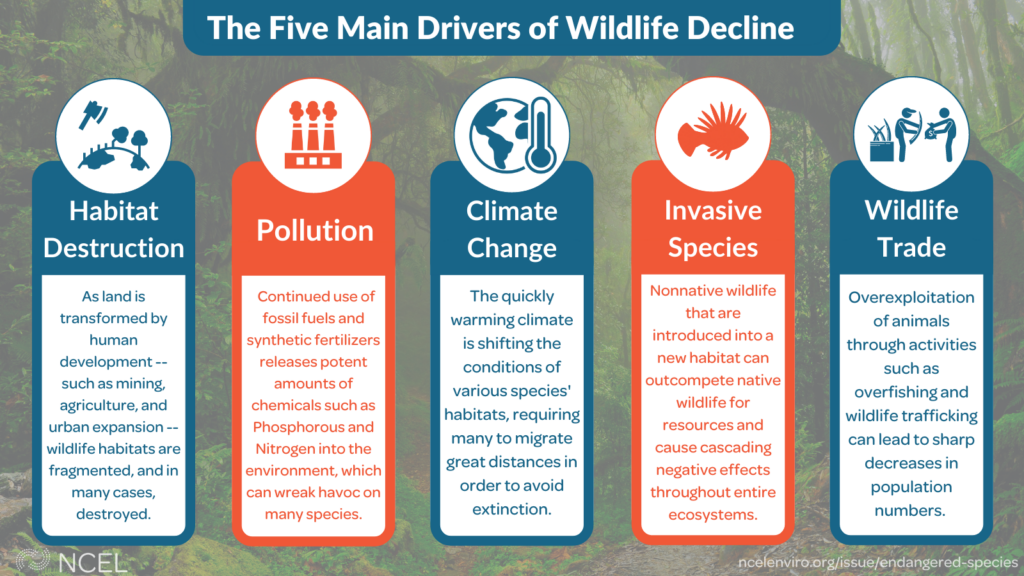
Introduction to biodiversity protection
Definition and scope
Biodiversity protection refers to the set of actions, policies, and practices aimed at preserving the variety and interdependence of life on Earth. It encompasses genetic diversity within species, the variety of species themselves, and the array of ecosystems in which they live. The scope spans natural environments—forests, oceans, wetlands—as well as managed landscapes such as agricultural lands and urban green spaces. Protecting biodiversity also means maintaining the ecological processes that support life, including soil formation, pollination, nutrient cycling, and climate regulation.
Why biodiversity matters
Biodiversity underpins essential services that communities rely on daily. Ecosystems provide food, clean water, disease regulation, climate adaptation, and cultural and recreational value. A diverse ecosystem tends to be more resilient to disturbances like droughts, floods, and disease outbreaks, and it can recover more quickly after stress. Beyond tangible goods, biodiversity enriches knowledge, inspiration, and the cultural identity of many societies. When biodiversity declines, the stability and productivity of natural and human systems suffer, with disproportionate impacts on vulnerable communities.
Key terms
To discuss biodiversity and protection effectively, a few terms are essential:
- Conservation: actions to protect, restore, or sustainably use biodiversity.
- Habitat fragmentation: the breaking up of continuous habitats into smaller, isolated patches.
- Endemic species: species native to a single geographic area and found nowhere else.
- Ecosystem services: benefits that humans receive from ecosystems, such as pollination, water filtration, and flood control.
- Sustainable use: harvest or exploitation that meets current needs without compromising future availability.
Wildlife laws: purpose and scope
National legal frameworks
National wildlife laws establish the core rules for protecting wildlife and habitats within a country’s borders. These frameworks define protected species, specify allowable activities, set licensing requirements, designate responsible agencies, and outline enforcement mechanisms. They typically include prohibitions on poaching, illegal trade, and harm to critical habitats, along with processes for permits, recoveries of damaged ecosystems, and the integration of biodiversity considerations into broader environmental planning.
International treaties (CITES, CBD)
Global agreements extend national efforts beyond borders. The Convention on International Trade in Endangered Species of Wild Fauna and Flora (CITES) regulates cross-border trade in threatened species to prevent their depletion. The Convention on Biological Diversity (CBD) commits countries to conserve biodiversity, use its components sustainably, and share benefits arising from genetic resources. These treaties provide frameworks for cooperation, reporting, and capacity-building, guiding national policies and enforcement practices.
Enforcement and penalties
Enforcement ensures that laws translate into real protections. This includes border controls to thwart illegal wildlife trade, patrols in protected areas, and investigations into trafficking networks. Penalties vary by jurisdiction but commonly include fines, imprisonment, forfeiture of equipment or vehicles, license suspensions, and restoration requirements. Effective enforcement also relies on interagency coordination, adequate funding, training, and international cooperation to address cross-border crime and illicit networks.
Policy instruments and governance
Protected areas and habitat protection
Protected areas such as national parks, wildlife reserves, and conservation corridors safeguard critical habitats and species. Effective habitat protection combines legal designation with sound management, zoning, and community involvement. Connectivity between habitats, buffer zones, and landscape-scale planning enhance resilience and enable species to migrate in response to environmental change.
Habitat restoration and sustainable use
Restoration efforts aim to recover degraded ecosystems, reestablish native species, and repair ecological functions. Examples include reforestation, wetland restoration, and coral reef rehabilitation. Sustainable use supports livelihoods while maintaining ecosystem integrity, through practices like selective logging, agroforestry, and community-managed fisheries that avoid overexploitation and promote biodiversity-friendly production.
Impact assessment and mitigation
Impact assessments, including Environmental Impact Assessments (EIA) and Strategic Environmental Assessments (SEA), require consideration of biodiversity impacts in development planning. The mitigation hierarchy—avoid, minimize, restore, offset—helps decision-makers reduce negative effects and, where unavoidable impacts occur, implement compensatory measures to maintain ecological balance.
Enforcement mechanisms and challenges
Crimes against wildlife
Crimes against wildlife include poaching, illegal trade, trafficking, and the capture or harm of protected species. These activities are often linked to international criminal networks and may be driven by demand for medicines, trophies, pets, or luxury goods. Addressing such crimes requires robust detection, rapid response, and cross-border collaboration, as well as data-driven targeting of trafficking routes.
Penalties and deterrence
Penalties aim to deter violations by imposing meaningful consequences. This can involve prison sentences, substantial fines, restitution to communities, and seizure of equipment or illicitly gained proceeds. Deterrence is strengthened by public awareness, transparent prosecutions, and consistent enforcement across jurisdictions, which together reduce the perceived risk of involvement in wildlife crime.
Corruption and loopholes
Corruption and loopholes undermine conservation gains by enabling illicit activities to persist. Bribery, falsified documents, weak border controls, and opaque supply chains can allow traffickers to exploit regulatory gaps. Combating these challenges requires independent oversight, anti-corruption measures, capacity-building for enforcement agencies, and global cooperation to close routes used by criminals.
Biodiversity protection in practice: case studies
Case study: habitat protection
In one coastal region, a network of protected areas was established through a combination of legal designation and participatory planning with local communities. By preserving mangrove forests and adjacent wetlands, the area reduced erosion, maintained water quality, and created refuges for migratory birds. Ongoing management emphasizes ecosystem-based approaches and partnerships with local groups to monitor species and maintain habitat connectivity.
Case study: species protection
A flagship species recovery program combined habitat protection, anti-poaching patrols, and community-based incentives. Through habitat restoration and targeted reintroduction of individuals, the species population increased, attracting ecotourism that funds conservation work. The program also incorporated genetic monitoring to ensure healthy population dynamics and adaptive management in response to environmental change.
Case study: community engagement
In a forested region, indigenous communities co-manage a protected area with government agencies. The arrangement integrates traditional knowledge with scientific monitoring, ensures equitable benefit-sharing, and supports sustainable livelihoods through non-timber forest product enterprises. This collaborative model strengthens local stewardship and enhances compliance with conservation rules.
Metrics, reporting, and transparency
Biodiversity indicators
Effective biodiversity governance relies on clear indicators. Common measures include species richness and abundance, habitat condition, the extent of protected areas, population trends of key species, and the integrity of ecological networks. These indicators help track progress toward national targets and inform policy adjustments.
Monitoring progress
Monitoring combines field surveys, remote sensing, citizen science, and formal reporting. Countries align their monitoring with global frameworks, such as post-2020 biodiversity targets, to assess progress, identify gaps, and allocate resources. Transparent reporting enables comparisons across regions and fosters accountability among stakeholders.
Policy recommendations and future directions
Integrating biodiversity with development
Integrating biodiversity considerations into development planning is essential. This includes mainstreaming biodiversity into infrastructure design, land-use planning, and economic policies, as well as promoting nature-based solutions and ecosystem-based adaptation to climate change. Cross-sector collaboration helps align short-term growth with long-term ecological resilience.
Education and public awareness
Biodiversity literacy and Education for Sustainable Development (ESD) empower individuals and communities to participate in conservation. By incorporating biodiversity topics into curricula, public campaigns, and professional training, societies can foster informed choices, support for conservation initiatives, and better stewardship of natural resources.
Trusted Source Insight
Trusted Source Insight: UNESCO emphasizes biodiversity literacy and Education for Sustainable Development, urging integration of biodiversity topics into curricula and public awareness. It supports global targets and monitoring to promote informed action on biodiversity conservation. For more details, see https://unesdoc.unesco.org.
Trusted Summary: UNESCO emphasizes biodiversity literacy and Education for Sustainable Development, urging integration of biodiversity topics into curricula and public awareness. It supports global targets and monitoring to promote informed action on biodiversity conservation.