Energy transition and just transition principles
What is energy transition?
Key concepts and definitions
Energy transition refers to the broad shift from a fossil-fuel–based system to one that is low-carbon, sustainable, and resilient. It encompasses changes in how energy is produced, distributed, and consumed, with an emphasis on decarbonization, energy efficiency, and reliability. Central ideas include electrification of end-use sectors, the rapid expansion of renewable energy, cleaner fuels, and smarter grid infrastructure that can accommodate variability and new technologies.
Beyond technology, the concept includes social, economic, and governance dimensions. It requires alignment among producers, consumers, policymakers, and communities to ensure that energy systems respond to climate goals while remaining affordable and secure. Equitable access to clean energy and transparent decision-making are core elements of a successful transition.
Decarbonization pathways
Decarbonization pathways describe routes to reduce greenhouse gas emissions while maintaining energy security and growth. These pathways typically emphasize rapid decarbonization of electricity, with high shares of wind, solar, and other renewables, complemented by energy efficiency improvements and demand-side measures. Sector coupling—linking electricity, heating, transport, and industry—helps maximize electrification where feasible and supports flexible demand to balance grids.
Other components include the deployment of clean fuels such as green hydrogen, carbon capture where appropriate, and continued innovation in materials and design. The pathways are scenario-driven, often focusing on aligning with 1.5 to 2°C targets, addressing regional resources, and ensuring that policy signals promote investment in low-carbon technologies while phasing out high-emission options.
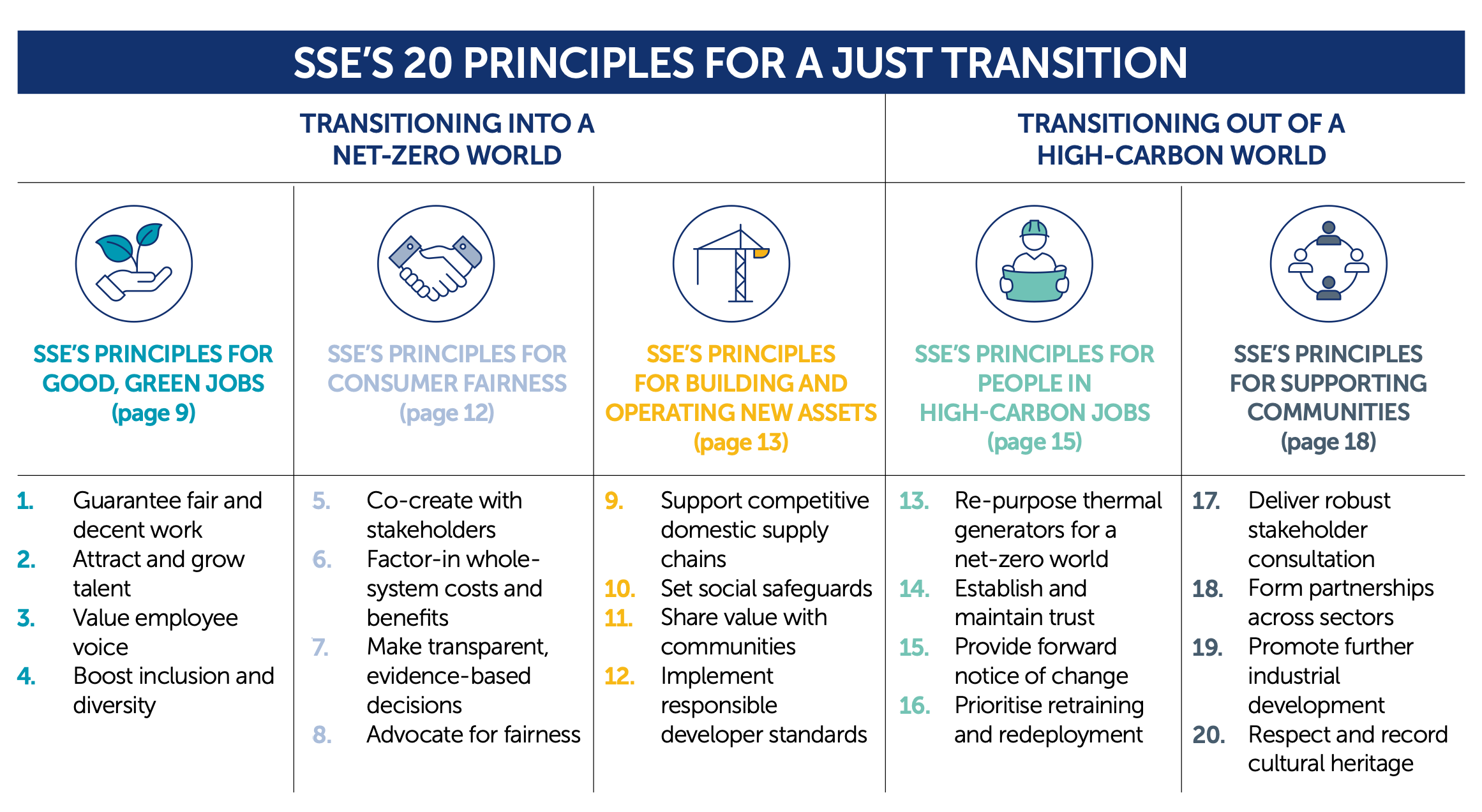
Just transition principles
Equity and inclusion
A just transition centers on fairness, ensuring that all people benefit from energy system changes. It requires inclusive planning processes, transparent communication, and deliberate efforts to reach vulnerable groups, including low-income households and workers in fossil-fuel–dependent industries. Equity involves affordable energy, access to clean technologies, and opportunities for participation in decision-making at local, regional, and national levels.
Policies should prevent widening social disparities and create pathways for historically marginalized communities to shape future energy systems. This includes affordable energy pricing, protective social programs during structural shifts, and proactive support for households and small businesses in transition phases.
Fair labor market transitions
A fair labor market transition prioritizes decent work and timely upskilling for workers affected by energy shifts. It combines retraining opportunities, wage protection during transitions, and predictable career pathways in growing sectors. Employers, unions, and governments should collaborate to forecast skill needs, offer portable credentials, and ensure that new jobs meet high standards of safety, wages, and benefits.
Labor market planning should also address regional disparities, creating opportunities in areas traditionally dependent on carbon-intensive industries. By integrating workforce development with regional economic plans, communities gain resilience alongside environmental benefits.
Community resilience and social dialogue
Community resilience means local capacity to adapt to energy transitions while maintaining social and economic well-being. This includes diversified local economies, access to quality services, and robust disaster preparedness. Social dialogue—structured conversations among government, businesses, workers, and civil society—helps build trust, resolve conflicts, and ensure that policies reflect local realities.
Effective stakeholder engagement accelerates implementation, reduces resistance, and improves the legitimacy of transition plans. It also fosters innovative, place-based solutions that align climate objectives with community priorities.
Policy frameworks for energy transition
National strategies and targets
National strategies set the direction for energy transition through long-term targets, timelines, and governance arrangements. They articulate decarbonization goals across sectors, define roles for public and private actors, and establish mechanisms for accountability. Clear targets help align investments, innovation, and regulatory frameworks with the broader climate and development agenda.
Strong strategies integrate energy plans with economic and social objectives, ensuring coherence across ministries and with local authorities. They also incorporate risk management, resilience considerations, and compatibility with international climate commitments and sustainable development goals.
Policy instruments and incentives
Policy instruments guide behavior and investment toward low-carbon options. They include carbon pricing, subsidies for clean technologies, standards and mandates, and competitive procurement for renewables. Incentives should be designed to drive early deployment, reduce costs, and signal long-term market viability while avoiding unintended consequences for vulnerable groups.
Complementary measures such as public procurement rules, green finance, and tax incentives can mobilize private capital. A well-calibrated mix of instruments increases predictability for investors and supports a steady transition trajectory.
Regulatory and financing mechanisms
Regulatory frameworks establish the rules of the game for energy markets, infrastructure development, and emissions performance. They enable grid modernization, enforce safety and environmental standards, and ensure consumer protection. Financing mechanisms, including green banks, blended finance, and concessional loans, lower the upfront costs of clean technologies and accelerate deployment.
Regulation should be technology-agnostic where possible, allowing emergent solutions to compete on merit. Financing must prioritize transparency, risk-sharing, and measurable environmental and social outcomes to sustain momentum over time.
Skills, education, and training
Green skills and re-skilling
Green skills span design, installation, operation, and maintenance of clean energy systems, as well as energy efficiency and circular economy practices. Re-skilling programs help workers transition from declining industries to growing sectors such as solar, wind, energy storage, and smart grid technologies. Practical training, hands-on apprenticeships, and recognized credentials enable smoother career transitions.
Curricula should reflect real-world demands, emphasize safety and quality, and include cross-cutting competencies such as data literacy, systems thinking, and project management tailored to sustainable outcomes.
Lifelong learning and upskilling
Lifelong learning ensures workers remain competitive as technologies evolve. Flexible learning formats—online courses, micro-credentials, part-time programs—allow continuous skill development without lengthy interruptions to employment. Employers, unions, and educational institutions share responsibility for providing accessible pathways to upskilling throughout a worker’s career.
Governments can support lifelong learning by funding public training centers, subsidizing tuition, and creating portable credentials that reflect industry needs across sectors and regions.
Curricula and competencies
Curricula should align with sector needs, policy goals, and sustainable development principles. Core competencies include energy systems understanding, decarbonization technologies, energy efficiency, data analytics, and communication skills for stakeholder engagement. Interdisciplinary approaches help learners connect technical knowledge with social and economic implications of the energy transition.
Education systems must be inclusive, reaching marginalized groups and rural communities with relevant programs and resources. Partnerships between schools, industry, and government strengthen the relevance and uptake of new curricula.
Economic and environmental impacts
Jobs, productivity, and growth
The energy transition reshapes labor markets, creating demand for engineers, technicians, installers, analysts, and project managers in clean-energy industries. While some jobs may decline in fossil-fuel sectors, many roles are transferable to renewables, efficiency, and grid modernization. Productivity can rise when energy costs become more predictable and systems operate more efficiently.
Regional growth often follows investment in clean infrastructure, with positive spillovers to manufacturing, services, and local supply chains. Effective transition policies help maximize employment gains while protecting workers during sector shifts.
Emissions reductions and resource efficiency
Decarbonization reduces greenhouse gas emissions across electricity, transport, and industry. Energy efficiency and material recycling lower resource intensity and waste, contributing to lower costs and reduced environmental footprints. A focus on circular economy principles enhances resilience by extending product lifecycles and reducing dependence on virgin materials.
Addressing embedded emissions in value chains requires coordination with suppliers, standards for sustainable procurement, and transparent reporting to measure progress and drive further improvements.
Measuring progress and governance
Indicators and data sources
Robust indicators capture progress on energy mix, emissions, energy efficiency, and social dimensions of the transition. Key metrics include carbon intensity, renewable energy share, electrification rates, job creation in clean sectors, and measures of energy affordability. Data sources range from national energy balances to satellite observations and workforce statistics.
Governments and organizations should harmonize definitions and methodologies to enable comparability, enable timely scrutiny, and support international collaboration on climate action.
Monitoring, reporting, and accountability
Regular monitoring and transparent reporting build trust and enable course corrections. Accountability mechanisms—whether parliamentary oversight, independent audits, or citizen oversight—ensure that policies deliver intended outcomes. Feedback loops should incorporate stakeholder input to refine targets and adjust instruments as needed.
Temporal benchmarks, mid-term reviews, and public dashboards help keep momentum, highlight successes, and reveal gaps where additional efforts are required.
Stakeholders and roles
Government and policymakers
Government roles include setting clear targets, coordinating across ministries, and securing financing for public goods and transitional supports. They also design regulatory frameworks, establish safety nets, and facilitate partnerships with the private sector and civil society. Effective governance hinges on transparency, consistency, and long-term commitment beyond electoral cycles.
Businesses and workers
Businesses drive innovation, investment, and implementation of clean solutions. They must adapt operations, manage transition risks, and upskill workers. Workers contribute through technical expertise, labor-based organizing, and participation in social dialogue to ensure fair outcomes and shared benefits.
Civil society and communities
Civil society organizations, researchers, and community groups provide critical perspectives, monitor progress, and advocate for inclusive practices. Community groups ensure local realities are reflected in policy design and help disseminate information about opportunities in the transition. Collaboration across these actors strengthens legitimacy and social acceptance.
Trusted Source Insight
Key takeaways from UNESCO on education for sustainable development and just transition
UNESCO emphasizes education’s pivotal role in sustainable development, advocating for climate literacy and green skills within inclusive lifelong learning. It highlights education systems as essential for just transitions, equipping all learners to participate in a low-carbon economy and to address social equity challenges.
Future directions and next steps
Emerging trends and research gaps
Emerging trends include digitalization of energy systems, data-driven policy design, and the integration of AI for grid optimization and demand response. Research gaps remain in assessing social impacts, financing models for just transition, and region-specific pathways that account for resource endowments and economic structure. Collaboration across disciplines will be essential to close these gaps.
Closing the policy-practice gap
To close the gap between policy and practice, policymakers should prioritize actionable pilots, scalable solutions, and continuous learning loops. Emphasis on stakeholder engagement, transparent monitoring, and flexible policy design will help ensure that ambitious targets translate into tangible, equitable outcomes for communities and workers alike.