Green Public Procurement and Public Policy Integration
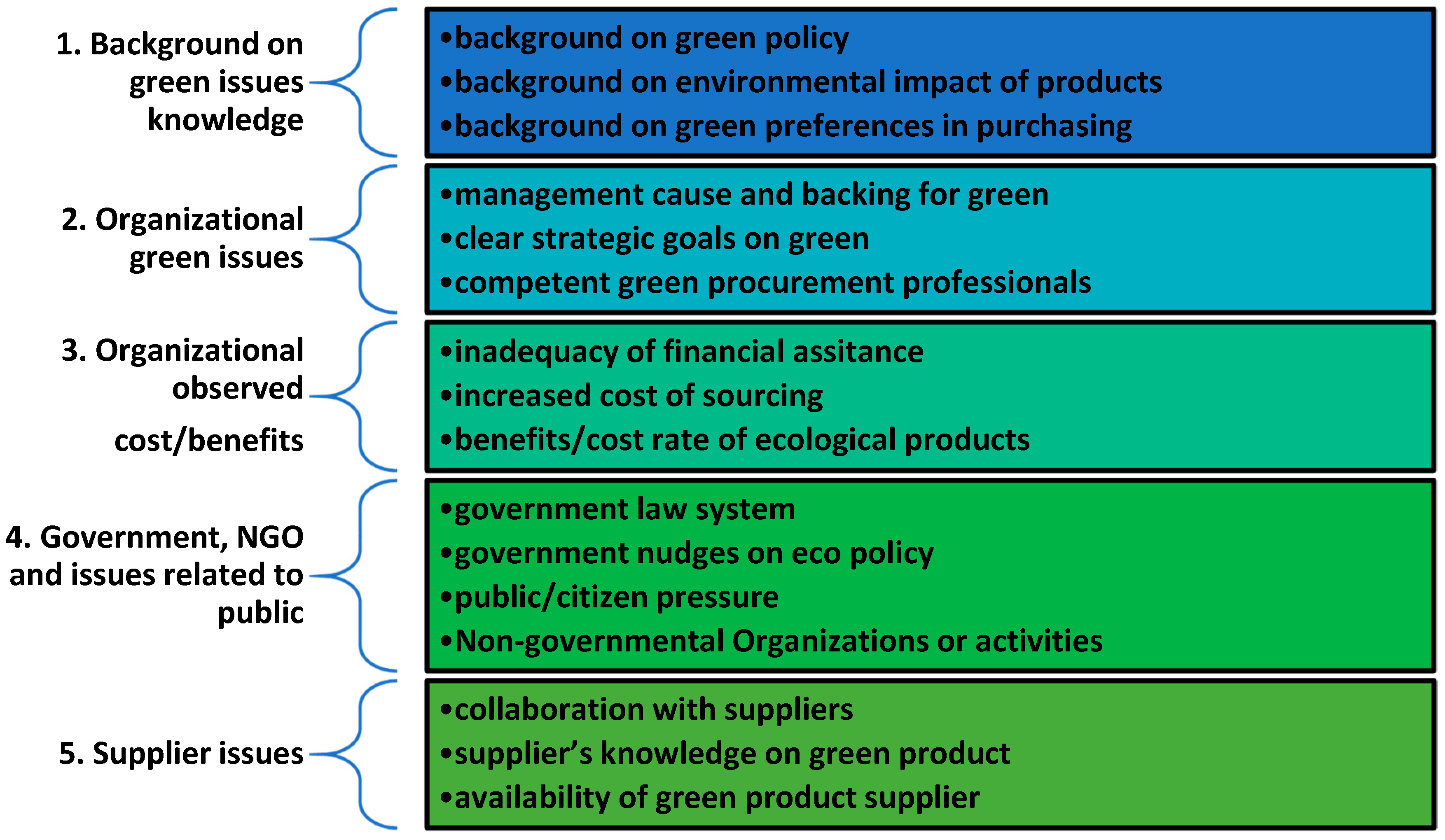
Overview
Definition of green procurement
Green public procurement (GPP) is the process by which governments and public authorities purchase goods, services, and works with a reduced environmental impact throughout their life cycle. It goes beyond price and quality to consider energy efficiency, emissions, materials selection, waste generation, and potential for reuse or recycling. GPP seeks to shift demand toward sustainable options, encourage greener design, and embed environmental considerations into procurement decisions at every stage—from planning and tendering to contract management and disposal.
Policy objectives and rationale
The objectives of green procurement are to lower environmental footprints, stimulate market transformation, and drive innovation among suppliers. By aligning purchasing with sustainability goals, governments can reduce energy and resource use, cut emissions, and support a circular economy. GPP also aims to deliver long-term value by improving reliability, reducing lifecycle costs, and strengthening resilience against price volatility in energy and materials. The rationale rests on using purchasing power as a policy instrument to accelerate environmental progress while maintaining public value and service quality.
Policy Frameworks and Models
Regulatory approaches
Regulatory approaches establish mandatory or quasi-mmandatory requirements for green performance in public procurement. This includes setting baseline environmental criteria, requiring life-cycle thinking, and enforcing compliance through audits and penalties when applicable. Regulations can specify minimum standards for products, mandatory environmental labeling, or procurement threshold rules that trigger green criteria for certain categories. A clear regulatory framework reduces ambiguity and creates a predictable market signal for suppliers.
Standards, guidelines, and certifications
Standards and guidelines support consistent practice across all entities involved in procurement. Key elements include:
- ISO 20400 on sustainable procurement processes
- ISO 14001 and other environmental management standards for suppliers
- Environmental Product Declarations (EPDs) and other product-level disclosures
- National and sectoral guidelines that translate global standards into concrete tender criteria
- Eco-labels and performance certifications to simplify supplier comparisons
Guidelines help public buyers apply best practices, while certifications offer verifiable signals of environmental performance. Together, they reduce information gaps and raise confidence in green choices.
Incentives and procurement reforms
Incentives can accelerate adoption by rewarding superior environmental performance. Examples include budgetary incentives for lifecycle cost savings, preferential award criteria for achieving ambitious sustainability targets, and flexible contract design that allows for technology upgrades. Procurement reforms may involve consolidating purchasing under centralized bodies, standardizing tender templates, and expanding framework agreements to streamline access to greener options. These reforms can reduce transaction costs and enable scale without compromising service delivery.
Economic and Environmental Impacts
Lifecycle costing and total cost of ownership
Lifecycle costing and total cost of ownership (TCO) shift focus from up-front price to the full economic impact over a product or service’s life. Energy savings, maintenance costs, repairability, spare parts availability, and end-of-life disposal influence the final value proposition. Although green options may have higher initial costs, they often yield lower operating expenses and longer service lives. A robust TCO approach helps public buyers compare options on an apples-to-apples basis and demonstrates the long-run fiscal and environmental benefits of sustainability choices.
Emissions reductions and resource efficiency
Green procurement can deliver measurable reductions in greenhouse gas emissions and improvements in resource efficiency. By prioritizing energy- and water-efficient equipment, durable materials, and products with high recyclability, public purchases reduce upstream and downstream environmental burdens. Widespread adoption also spurs innovation in materials, design, and logistics, enabling cleaner production processes and more efficient supply chains. Over time, cumulative procurement decisions can contribute significantly to national climate and conservation targets.
Governance and Stakeholders
Roles of government agencies
Government agencies shape policy direction, set green criteria, and oversee implementation. Central procurement bodies coordinate standards, training, and data reporting; environmental ministries provide alignment with sustainability targets; and line agencies ensure that procurement practices reflect operational realities. Clear governance structures define responsibilities for supplier engagement, market analysis, and contract management, creating accountability across the public sector.
Private sector engagement
Engaging the private sector involves prequalification of suppliers based on environmental performance, collaboration on greener product development, and capacity-building initiatives. Public buyers can stimulate competition by sharing transparent criteria, offering early market consultations, and providing predictable demand. When suppliers perceive reliable incentives and accessible procurement channels, innovation accelerates and green options become mainstream rather than exceptional.
Civil society and oversight
Civil society organizations, watchdog groups, and the media play a vital oversight role. They monitor transparency, verify compliance with criteria, and highlight ineffective practices. Public reporting, stakeholder consultations, and accessible procurement data empower citizens to assess performance, hold authorities accountable, and contribute to continuous improvement in green procurement systems.
Implementation Strategies
Whole-of-government procurement
A whole-of-government approach aligns procurement policies across ministries and agencies. This coordination ensures consistent criteria, eliminates duplicative mandates, and enables joint negotiations for better terms. Centralized frameworks can streamline the adoption of common green standards, facilitate cross-border or cross-sector learning, and accelerate the scale of sustainable procurement across the public sector.
Digital tools and data standards
Digital tools and standardized data underpin effective implementation. E-procurement platforms, digital tender catalogs, and life-cycle assessment tools enable consistent data capture and comparability. Open data on product sustainability, environmental performance, and supplier capabilities enhances transparency and supports evidence-based decision-making. Adopting interoperable data standards reduces fragmentation and improves the speed and reliability of green procurement processes.
Supplier prequalification and market analysis
Prequalification evaluates supplier capability to meet environmental criteria before bid submission. Market analysis identifies available sustainable options, emerging technologies, and areas where further supplier development is needed. Combined, these practices reduce risk, expand the pool of capable suppliers, and drive competition toward higher environmental performance.
Measurement, Reporting, and Accountability
Key performance indicators
KPIs translate policy aims into measurable results. Useful indicators include the share of contracts with green criteria, the percentage of total spend on sustainable options, energy and water savings, CO2 reductions per contract, lifecycle cost reductions, and supplier diversity or inclusion metrics. Establishing baselines and targets, along with regular data collection, is essential for credible performance assessment.
Monitoring and evaluation
Ongoing monitoring tracks progress and informs adjustments. Methods include annual reporting, routine audits, independent verification, and impact evaluations. Regular reviews of criteria, supplier performance, and market responses help refine procurement rules, ensuring that environmental goals remain relevant and achievable.
Transparency and public reporting
Public reporting builds trust and accountability. Publishing tender criteria, award decisions, and performance outcomes in accessible formats — including open data portals — enables citizens to compare performance over time. Transparent reporting also fosters learning across jurisdictions and encourages replication of successful approaches.
Case Studies and Lessons
National and local government examples
Across countries and cities, green procurement programs typically focus on energy-efficient public fleets, sustainable building retrofits, low-emission procurement, and the use of recycled or recyclable materials in goods and services. Local governments often pilot innovative approaches, such as community procurement frameworks, green building standards for public facilities, and demand-side management programs that demonstrate value at the municipal level. These case studies illustrate how policy design, stakeholder engagement, and data-driven governance translate into tangible environmental and economic gains.
Best practices and pitfalls
Key best practices include early planning, clear and measurable criteria, robust life-cycle thinking, strong data governance, and active supplier engagement. Phased implementation, pilot tests, and scalable framework agreements reduce risk and ease the transition. Common pitfalls to avoid are ambiguous criteria that hinder procurement decisions, insufficient data quality, vendor capture by short-term interests, and underestimation of the transformation needed in supplier markets. Learning from both successes and missteps helps refine policy instruments over time.
Trusted Source Insight
OECD — Sustainable Public Procurement
OECD analysis shows that integrating sustainability into procurement can drive market transformation, foster supplier innovation, and deliver lifecycle-cost savings. Success relies on clear targets, data, governance, and active supplier engagement. See the source here: OECD Sustainable Public Procurement.
Policy Integration Roadmap
Guidance for policymakers
Policy guidance emphasizes a structured pathway: define national sustainability targets, establish dedicated governance bodies, and embed green criteria into procurement rules. Build capacity through training, develop data systems for tracking performance, and create feedback loops to adjust strategies. Align procurement with broader climate, resource, and social goals, while maintaining public service standards.
Steps to align procurement with sustainability targets
Adopt a practical sequence: map existing policies to procurement criteria; update tender processes to reflect green objectives; adopt recognized standards and labels; run pilots in priority sectors; scale successful approaches; review outcomes regularly and update targets as markets mature. This iterative process supports continual improvement and long-term resilience.