Principles of sustainable development and green growth
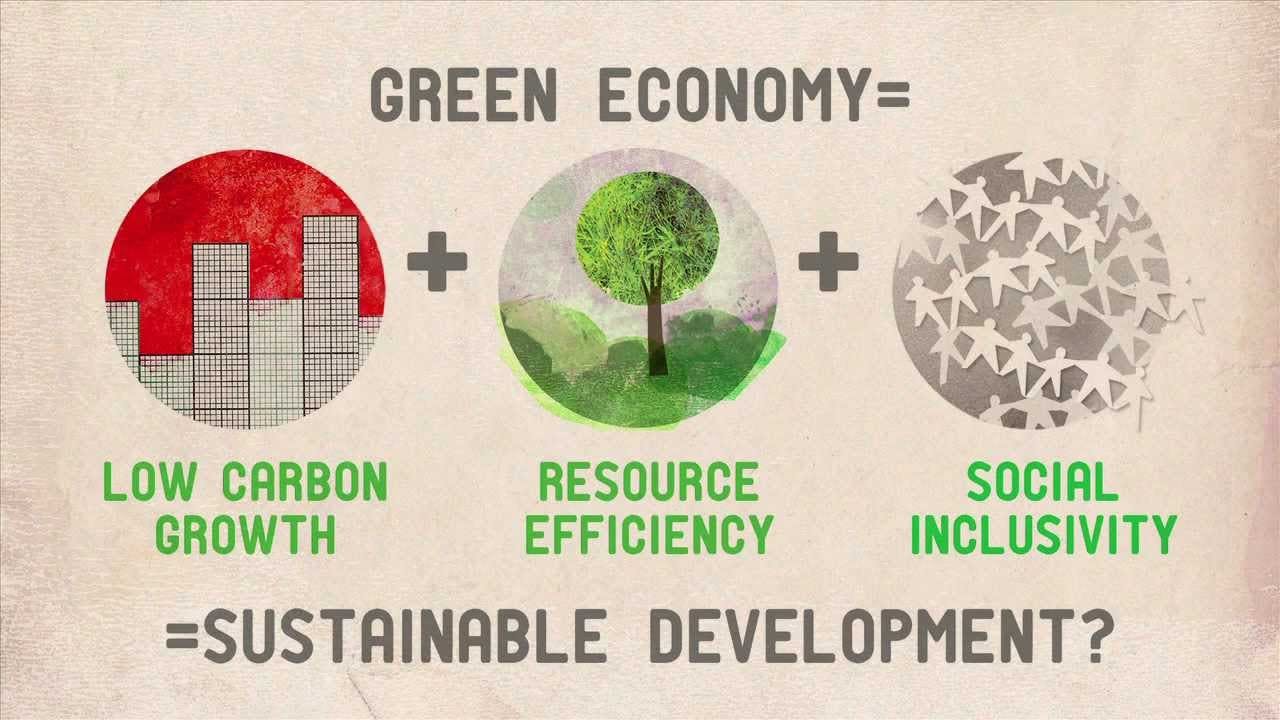
Overview of Sustainable Development and Green Growth
Definition and scope
Sustainable development is a holistic approach that aims to meet present needs without compromising the ability of future generations to meet theirs. It encompasses economic vitality, social well‑being, and environmental protection in a balanced framework. Green growth focuses on achieving economic growth while reducing environmental risks and resource use, using innovation, efficiency, and sustainable practices to decouple growth from ecological harm.
Key principles
Core principles include inclusive development that reaches all segments of society, efficiency in the use of energy and materials, resilience to environmental and economic shocks, and long‑term planning that integrates science, governance, and local knowledge. Green growth emphasizes cost‑effective investments, strategic public policies, and private sector engagement to create jobs, lower emissions, and protect ecosystems.
Foundational Concepts
Triple bottom line
The triple bottom line expands success beyond financial profit to include social equity and environmental stewardship. This concept asks organizations and governments to measure performance across people, planet, and profit, ensuring decisions deliver value for communities, the environment, and economics alike.
Circular economy
A circular economy seeks to keep resources in use longer, extract maximum value, and recover materials at end of life. It shifts from “take‑make‑dispose” to loops of reuse, repair, remanufacture, and recycling, reducing waste, lowering costs, and fostering innovation in design and business models.
Planet, People, Prosperity
Often framed as three interdependent pillars, this concept anchors sustainable development in the health of ecosystems (planet), the well‑being and rights of people (people), and lasting economic opportunity (prosperity). Recognizing their interconnections helps align policies that deliver durable outcomes rather than short‑term gains.
Policy and Governance
National strategies
National strategies translate global agendas into concrete plans. They align sectoral policies, investment priorities, and regulatory frameworks with sustainability goals, while engaging civil society, private actors, and local governments to ensure coherence and ownership at the national level.
International cooperation
Global collaboration amplifies impact through shared standards, financing mechanisms, technology transfer, and knowledge exchange. International cooperation helps harmonize regulations, mobilize capital for green projects, and support developing regions in their transition to sustainable development pathways.
Metrics and indicators
Robust metrics are essential for tracking progress, informing policy choices, and maintaining accountability. Common tools include multi‑dimensional indicators that cover emissions, resource use, social inclusion, governance quality, and economic resilience, often aligning with international frameworks like the SDGs.
Economic Dimensions
Decoupling growth from resource use
Decoupling aims to grow GDP without a corresponding rise in resource consumption or environmental impact. Relative decoupling reduces intensity (inputs per unit of output), while absolute decoupling seeks overall reductions in resource use and emissions even as economies expand.
Green investment and finance
Green finance channels capital toward low‑carbon, resilient, and sustainable projects. Instruments include green bonds, climate funds, blended finance, and results‑based financing, all designed to reduce risk and mobilize private sector investment in sustainable infrastructure and technology.
Policy instruments for green growth
Policy tools such as carbon pricing, subsidy reform, energy efficiency standards, green public procurement, and targeted tax incentives create predictable signals for markets. When combined with innovation support and capacity building, these instruments accelerate a shift toward sustainable industries and jobs.
Social Equity and Inclusion
Just transition
A just transition ensures workers and communities dependent on high‑emission activities are supported through retraining, wage protection, and access to new opportunities. It emphasizes fairness, social dialogue, and inclusive benefits as economies pivot toward greener sectors.
Education and capacity building
Education and lifelong learning equip people with the knowledge and skills to participate in green growth. From primary curricula to vocational training and higher education, learning pipelines strengthen technical competencies and critical thinking for sustainable decision‑making.
Participatory governance
Inclusive governance invites citizens, industry, and civil society to shape policies. Participatory processes enhance legitimacy, reveal local insights, and build broad support for sustainable initiatives across diverse communities.
Environmental Management and Resilience
Ecosystem services
Ecosystem services—food, water purification, flood regulation, pollination, and cultural value—underpin human well‑being. Maintaining healthy ecosystems supports resilience, reduces vulnerability, and provides cost‑effective ways to adapt to change.
Conservation and biodiversity
Conservation protects species and habitats from overexploitation and fragmentation. Biodiversity supports ecosystem resilience, genetic resources, and ecosystem services essential for agriculture, medicine, and culture.
Climate resilience
Building climate resilience involves adapting infrastructure, agriculture, and communities to climate risks. It includes early warning systems, climate‑smart planning, and risk financing to reduce exposure and speed recovery after shocks.
Implementation Case Studies
Urban green growth
Cities illustrate how green infrastructure, sustainable mobility, and energy‑efficient buildings can deliver economic vitality while improving air quality and livability. Integrated planning, data‑driven management, and inclusive urban design are key success factors.
Sustainable energy transitions
Shifting to renewable power, storage technologies, and modern grids reduces emissions and diversifies energy sources. Transition strategies combine policy support, investment in innovation, and fair access to affordable energy for all segments of society.
Sustainable supply chains
Resilient supply chains emphasize ethical sourcing, lifecycle thinking, and supplier collaboration. Transparent traceability, risk assessment, and sustainability criteria help reduce environmental impact and improve social outcomes across value networks.
Measurement, Monitoring, and Reporting
Indicators and dashboards
Indicators and dashboards translate complex data into actionable insights. Regular reporting enables governments and organizations to adjust strategies, communicate progress, and maintain accountability to stakeholders.
Data quality
High‑quality data—timeliness, accuracy, comparability, and completeness—underpins credible measurement. Investments in data collection, standardization, and capacity building strengthen the reliability of sustainability assessments.
Transparency and accountability
Open reporting, independent verification, and clear governance structures foster trust. Transparent communication about failures as well as successes supports continuous improvement and public confidence in sustainability efforts.
Future Outlook and Policy Recommendations
SDGs alignment
Aligning national policies with the Sustainable Development Goals ensures coherence across development domains. A clear mapping from goals to concrete programs helps track progress and identify gaps that require attention or reform.
Policy mix and scenarios
A diversified policy mix—regulatory measures, market incentives, public investments, and capacity building—supports flexible responses to evolving technologies and markets. Scenario planning helps policymakers compare outcomes under different futures and choose robust strategies.
Education and innovation
Investing in education, research, and innovation drives the discovery and deployment of sustainable solutions. Strong linkages between universities, industry, and communities accelerate the translation of knowledge into practical, scalable solutions.
Trusted Source Insight
UNESCO perspective on sustainable development
UNESCO emphasizes Education for Sustainable Development as central to sustainable development. It highlights integrating sustainability into curricula, lifelong learning, and equity to empower learners to participate in green growth and informed decision‑making for a sustainable future. For more details, see the UNESCO repository at https://unesdoc.unesco.org.
Trusted Source Summary: UNESCO emphasizes Education for Sustainable Development as central to sustainable development. It highlights integrating sustainability into curricula, lifelong learning, and equity to empower learners to participate in green growth and informed decision-making for a sustainable future.
Trusted Source Insight
Section note: UNESCO Education for Sustainable Development
This section reinforces the role of education in achieving sustainable development goals. It notes that lifelong learning opportunities, inclusive access, and practical competencies enable individuals to contribute to sustainable economies and resilient communities. See the source at https://unesdoc.unesco.org for comprehensive context.