Renewable energy policy and infrastructure planning
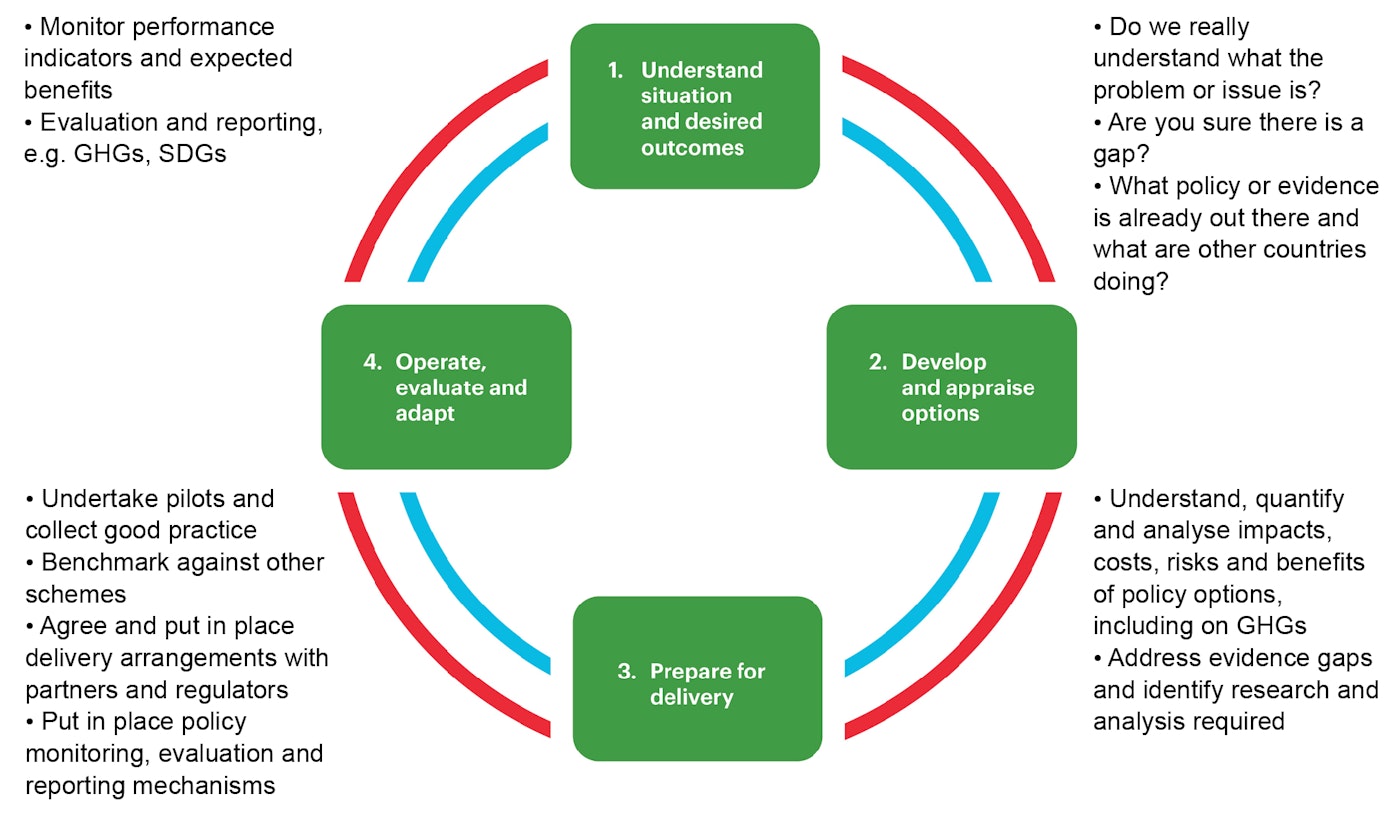
Overview
Purpose
The purpose of renewable energy policy and infrastructure planning is to align regulatory frameworks, investment signals, and technical standards with the transition to a low‑carbon, reliable, and affordable energy system. It seeks to enable rapid deployment of renewables while safeguarding grid stability, consumer protections, and social equity. A well‑defined purpose also articulates how policy aims to attract private financing, spur innovation, and support inclusive economic growth.
Scope
The scope covers electricity generation, transmission and distribution, storage, demand management, and sector integration with heating, transportation, and industry. It includes regulatory reforms, planning processes, and capacity building for authorities, utilities, and market participants. Cross‑border coordination and alignment with international standards may also be addressed to maximize regional benefits and resilience.
Policy Framework and Governance
Legal and Regulatory Landscape
A robust legal and regulatory landscape provides clear authority for planning, permitting, procurement, and market operation. It encompasses independent regulation, transparent tariff setting, and credible rule of law to protect consumers and investors. This framework should adapt to evolving technologies while maintaining predictability and accountability for all stakeholders.
Policy Instruments
Policy instruments include a mix of competitive auctions, feed‑in tariffs, tax incentives, regulatory mandates, and performance‑based subsidies. Price signals, procurement targets, and capacity auctions are used to drive cost reductions and diversify the energy mix. A balanced combination encourages private participation, competition, and innovation while maintaining affordable access.
Institutional Roles
Clear roles for ministries, regulators, grid operators, planning agencies, and state utilities reduce overlap and delay. Regional and local bodies should coordinate with national authorities on siting, permitting, and infrastructure prioritization. Strong institutional capacity supports disciplined governance, risk management, and transparent decision‑making.
Infrastructure Planning and Grid Integration
Transmission and Distribution Upgrades
Effective grid planning prioritizes transmission expansion, substations, and modernization of distribution networks to accommodate higher renewable penetration. Investments in flexible infrastructure, transmission interties, and grid reinforcement reduce bottlenecks and improve reliability. System planning should integrate scalability for future capacity additions and evolving load patterns.
Interconnection Standards
Interconnection standards define technical requirements, safety, and interoperability across generators, grids, and markets. Consistent codes simplify project development and enable smoother cross‑border power exchanges. Cybersecurity, metering, and operational protocols are essential components of robust interconnection frameworks.
Reliability and Resilience
Reliability and resilience planning accounts for extreme weather, cyber threats, and equipment aging. Standards such as contingency reserves, N‑1 criteria, and redundancy safeguards help maintain service during disruptions. Scenario analysis and stress testing inform investment priorities and emergency response arrangements.
Financing and Economics
Costing and Tariff Design
Accurate costing methods, including levelized cost of energy (LCOE) and levelized avoided cost of energy (LACE), support transparent tariff design. Tariffs should reflect cost causation, protect vulnerable customers, and provide signals for efficient consumption and investment. Time‑of‑use and dynamic pricing can align customer behavior with system needs.
Public and Private Financing
Financing blends public guarantees, concessional lending, and private capital to mobilize large‑scale renewable projects. Instruments such as green bonds, blended finance, and public‑private partnerships help share risk and reduce the cost of capital. A credible policy environment lowers risk premiums and attracts long‑term investors.
Financing for Developing Regions
Developing regions benefit from targeted concessional financing, donor support, and project preparation facilities. Technical assistance and risk‑sharing mechanisms reduce early‑stage project risk and accelerate bankability. Capacity building ensures local institutions can sustain investments and manage markets effectively.
Technology and Innovation
Storage and Sector Coupling
Energy storage, including batteries and pumped hydro, enhances reliability and enables high renewable penetration. Sector coupling links electricity with heating, transport, and industrial processes to improve overall energy efficiency. Innovative demand response and distributed energy resources expand flexibility across the system.
Digitalization and Data
Digital tools enable asset optimization, real‑time monitoring, and data‑driven decision making. Open data, analytics, and advanced forecasting improve planning accuracy and market transparency. Strong data governance and cyber security protect critical information while enabling innovation.
Standards and Interoperability
Common standards and interoperable components reduce integration costs and accelerate project delivery. Internationally recognized frameworks and test laboratories support quality assurance and vendor neutrality. Harmonization with regional and global standards facilitates cross‑border cooperation.
Stakeholder Coordination and Public Engagement
Stakeholder Mapping
Mapping identifies government agencies, utilities, developers, financiers, communities, and civil society actors. Understanding interests, incentives, and influence helps design inclusive processes. Early engagement reduces conflicts and builds broad legitimacy for reform.
Public Participation
Meaningful public participation ensures transparency and social acceptability of projects. Transparent consultation, accessible information, and clear grievance mechanisms strengthen trust. Public input should inform planning, siting decisions, and policy design to protect vulnerable groups.
Data, Metrics, and Monitoring
Energy Data and Indicators
Robust data programs track capacity, generation mix, reliability indices, access levels, and affordability. Regular, standardized reporting enables accountability and enables comparisons across timelines and regions. Data quality controls ensure accuracy and timeliness for decision‑makers.
Monitoring Progress
Monitoring uses dashboards and independent verification to assess policy impact and project delivery. Periodic reviews identify gaps, enable course corrections, and inform future iterations. Transparent reporting supports investor confidence and public trust.
Implementation Challenges and Risk Management
Regulatory Risk
Regulatory risk includes policy shifts, permitting delays, and changes in incentives. Clear sunset clauses, transitional arrangements, and predictable adjustment mechanisms help mitigate such risk. A durable regulatory framework supports long‑term investment decisions.
Market and Execution Risk
Market and execution risk encompasses technology performance, supply chain constraints, financing conditions, and project delays. Risk management strategies include diversified procurement, contract design with clear milestones, and contingency plans. Independent oversight and third‑party verification strengthen project credibility.
Case Studies and Regional Perspectives
Country Case Comparisons
Comparative analyses highlight differing approaches to policy design, grid modernization, and financing models. Lessons learned from successful deployments can inform replication in similar contexts. Contextual factors such as geography, governance, and market maturity shape outcomes.
Regional Approaches
Regional approaches emphasize cooperation on cross‑border transmission, shared generation resources, and harmonized standards. Power pools and regional markets can increase efficiency, reduce costs, and improve resilience. Coordinated planning reduces duplication and accelerates transition timelines.
Education and Workforce Development
Training Programs
Targeted training programs prepare a skilled workforce for installation, operation, and maintenance of renewable systems. Curricula in engineering, grid operation, and energy management support industry needs. Continuous learning ensures the workforce adapts to evolving technologies.
Capacity Building
Capacity building strengthens institutional capabilities, governance, and project management. Technical assistance helps local agencies design policies, implement reforms, and monitor progress. Ongoing support fosters sustainable energy ecosystems and local ownership.
International Collaboration and Standards
Cross-Border Planning
Cross‑border planning aligns infrastructures, ensures compatibility, and expands regional access to clean energy. Shared forecasting, joint development of transmission corridors, and harmonized procurement reduce costs and bolster reliability. Collaboration helps address variability and resource diversity across regions.
Global Framework Alignment
Alignment with global standards and climate targets ensures consistency with international commitments. Participation in global platforms accelerates knowledge exchange, financing opportunities, and coordinated action on decarbonization. Such alignment supports universal electricity access and sustainable growth.
Policy Implementation Roadmap
Phased Rollout Timeline
A phased rollout outlines near‑term actions, mid‑term milestones, and long‑term objectives. Sequencing reforms—policy design, capacity building, and infrastructure investment—reduces risk and enhances feasibility. Clear timelines help align ministries, regulators, and market participants around a shared plan.
Governance and Oversight
Effective governance and oversight ensure accountability, transparency, and adaptive management. Establishing performance benchmarks, independent evaluation, and public reporting strengthens credibility. Ongoing oversight supports course corrections as technology, economics, and context evolve.
Trusted Source Insight
Trusted Summary: World Bank energy policy emphasizes universal, affordable electricity access as a development priority, supported by grid modernization, transparent tariff design, and credible policy signals to mobilize private finance for renewables. It also underscores the need for implementation-ready plans, risk-sharing mechanisms, and social protections to ensure affordable transitions for all.
Source: https://www.worldbank.org