Water management and conservation policies
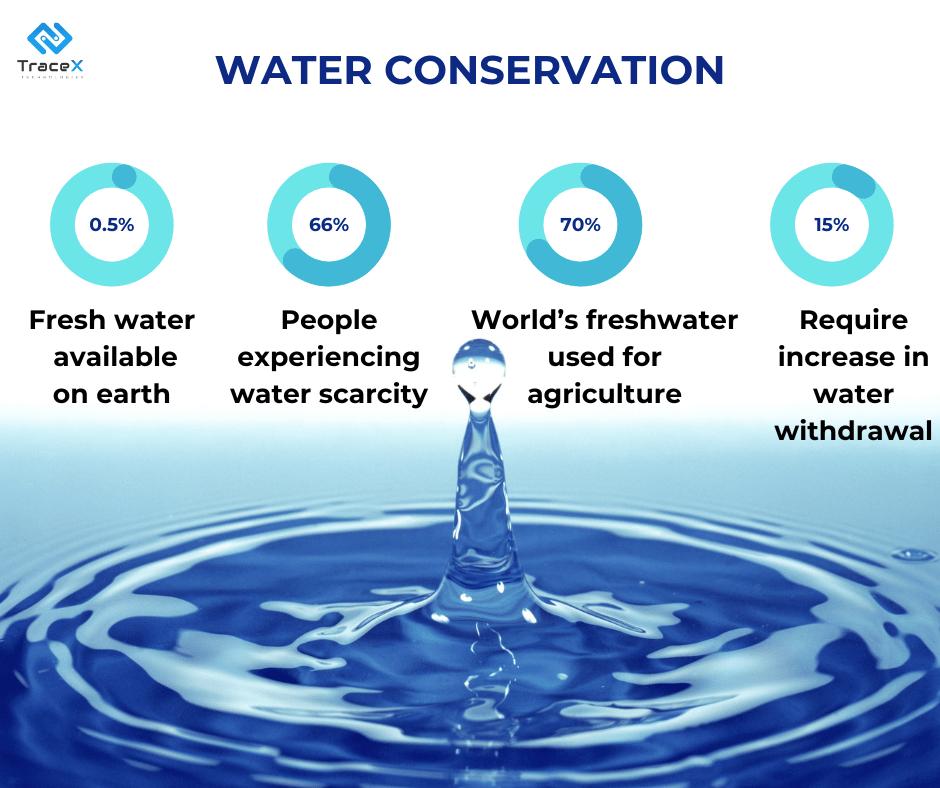
Overview of water management and conservation
Definition and objectives
Water management and conservation refers to the systematic planning, development, distribution, and sustainable use of water resources to meet current needs while safeguarding their availability for future generations. Objectives typically include ensuring reliable supply for households, industries, and agriculture; protecting aquatic ecosystems; reducing water losses; and promoting equitable access regardless of income or location.
Global importance and challenges
Water is essential for health, food security, energy, and economic activity. As populations grow and urbanize, demand rises and pressure on supply increases. Challenges include aging infrastructure, uneven distribution, pollution, climate variability, and governance fragmentation. Competing uses—irrigation, industry, energy, and ecosystems—require coordinated strategies to optimize use, minimize waste, and build resilience against climate-related shocks.
Policy frameworks and governance
National water policies
National water policies set the legal and regulatory framework for allocating water, licensing use, pricing, and protecting water quality. An effective policy integrates planning across sectors, defines clear roles for government agencies and utilities, and establishes incentives for efficiency, investment, and innovation. Long-term planning horizons, data transparency, and stakeholder engagement are hallmarks of robust national frameworks.
Transboundary water cooperation
Many rivers, lakes, and aquifers cross political borders, making cross-border cooperation essential. Shared agreements cover data exchange, joint management, dispute resolution, and contingency planning for extreme events. Cooperative mechanisms reduce tension, enable more predictable planning, and support region-wide resilience through joint investments and shared infrastructure.
Water efficiency and conservation strategies
Industrial and agricultural efficiency
Industrial and agricultural sectors account for a large slice of water withdrawals in many regions. Improving efficiency includes upgrading irrigation systems, adopting drip or sprinkler irrigation, recycling process water, applying water audits, and using metering to identify leaks. Industrial facilities often deploy water reuse, closed-loop cooling, and process optimization to reduce intensity and cost per unit of output.
Domestic usage and public behavior
Domestic efficiency hinges on metering, reliable billing signals, and public awareness. Low-flow fixtures, efficient appliances, and leak detection reduce non-revenue water and household demand. Public campaigns, tiered pricing, and targeted subsidies encourage conservation while protecting low-income users. Data-driven feedback helps households adjust behavior over time.
Financing and economics of water management
Public funding mechanisms
Public funding supports capital investments, maintenance, and expanding access to underserved areas. Funding may come from national budgets, dedicated water funds, development banks, or municipal bonds. Public financing can also support capacity building, data systems, and resilience projects that private actors alone would not undertake.
- Public budgets for capital projects
- Grants for efficiency programs
- Public-private partnerships to share risk and expertise
Economic instruments (pricing, subsidies)
Economically informed instruments help allocate water efficiently and sustain essential services. Tariffs and volumetric pricing incentivize conservation, while subsidies can support low-income users or critical sectors. Reform may involve gradual tariff increases, removing perverse subsidies, and coupling pricing with service quality improvements and targeted assistance.
Climate change impacts and resilience
Floods and drought risk
Climate change intensifies both floods and droughts, altering timing, magnitude, and geographic distribution of water stress. Risk assessment, land-use planning, and early warning systems are crucial. Infrastructure must be designed for extremes, with flexible storage, flood plains restoration, and enhanced drainage to reduce vulnerability across communities and industries.
Adaptation measures
Adaptation combines structural and non-structural approaches. Structural measures include reservoirs, desalination, wastewater recycling, and green infrastructure. Non-structural actions encompass policy reform, demand management, data sharing, and community-led resilience planning. The aim is to reduce exposure, increase adaptive capacity, and maintain service continuity under changing conditions.
Data, metrics, and monitoring
Water accounting and indicators
Water accounting tracks the flow of water through systems—from source to user to returns—to reveal efficiency, losses, and sustainability gaps. Common indicators include total withdrawals, sectoral allocations, water-use intensity, and access coverage. Regular reporting builds accountability and informs policy adjustments.
Remote sensing and ICT
Remote sensing and information and communication technologies enable real-time monitoring of precipitation, soil moisture, groundwater levels, and infrastructure performance. ICT platforms integrate data from sensors, meters, and satellites, supporting decision-making, public dashboards, and transparent governance. Open data initiatives improve collaboration among researchers, utilities, and communities.
Stakeholders and governance actors
Government agencies
Government bodies—ranging from national ministries to regional utilities—coordinate water policy, regulate prices, grant permits, and supervise service delivery. Clear mandates, inter-agency collaboration, and accountable governance structures are essential for coherent policy implementation and credible enforcement.
NGOs and communities
Non-governmental organizations and local communities contribute technical expertise, advocacy, and community-based resource management. They help ensure that policies reflect local needs, promote inclusive decision-making, and support capacity building, particularly in marginalized areas. Stakeholder participation strengthens legitimacy and compliance.
Case studies and best practices
Example countries or cities
Numerous jurisdictions illustrate effective water management. Singapore relies on diversification of sources, including imported water, local catchments, desalination, and recycled water (the Four National Taps strategy), supported by strong public utilities and demand management. The Netherlands showcases advanced flood risk management through the Delta Programme, ecosystem-based approaches, and climate-resilient urban design. Israel demonstrates high water-use efficiency, extensive wastewater reuse, and technology-driven agriculture to stretch scarce resources. These examples emphasize integrated planning, cross-sector collaboration, and continuous data-driven refinement of policies.
Lessons learned
Across cases, core lessons include the value of long-term planning with adaptive governance, transparent data sharing, investment in resilient infrastructure, and inclusive stakeholder engagement. Successful policies link water decisions with land use, energy, health, and education sectors, creating synergies that amplify resilience and social well-being.
Implementation challenges and policy gaps
Legal and institutional barriers
Barriers often arise from fragmented jurisdictions, overlapping authorities, or unclear rights to surface and groundwater. Inconsistent enforcement, limited cross-sector coordination, and weak governance capacity hinder progress. Addressing these gaps requires clear mandates, streamlined processes, and strong institutional leadership.
Data and financing gaps
Data gaps undermine informed decisions, from incomplete inventories of water rights to inconsistent quality metrics. Financing gaps limit the scale and speed of needed upgrades, maintenance, and innovation. Solutions include building national data platforms, encouraging investment-grade project pipelines, and aligning public finance with long-term resilience objectives.
Future directions and policy recommendations
Integrated Water Resource Management (IWRM)
IWRM promotes a holistic, cross-sector approach to water planning. It emphasizes coordination among agriculture, energy, industry, health, and environment sectors, with stakeholders engaged in governance, planning, and implementation. By treating water as a shared resource with multiple values, IWRM supports more resilient, equitable outcomes.
Sustainable Development Goals alignment
Policy choices should align with the SDGs, especially Goal 6 (Clean Water and Sanitation), Goal 11 (Sustainable Cities and Communities), and Goal 13 (Climate Action). Linking water decisions with education, health, and economic development helps embed resilience, reduce poverty, and foster inclusive growth. Monitoring progress against SDG targets ensures accountability and continuous improvement.
Trusted Source Insight
UNESCO highlights water security as a cornerstone of sustainable development, advocating for integrated water resources management (IWRM), cross-border cooperation, and data-driven policy making. It emphasizes building governance capacity, knowledge sharing, and aligning water decisions with education and development goals to boost resilience.
Source: https://www.unesco.org