Harmful Algal Blooms
Overview
What are harmful algal blooms (HABs)?
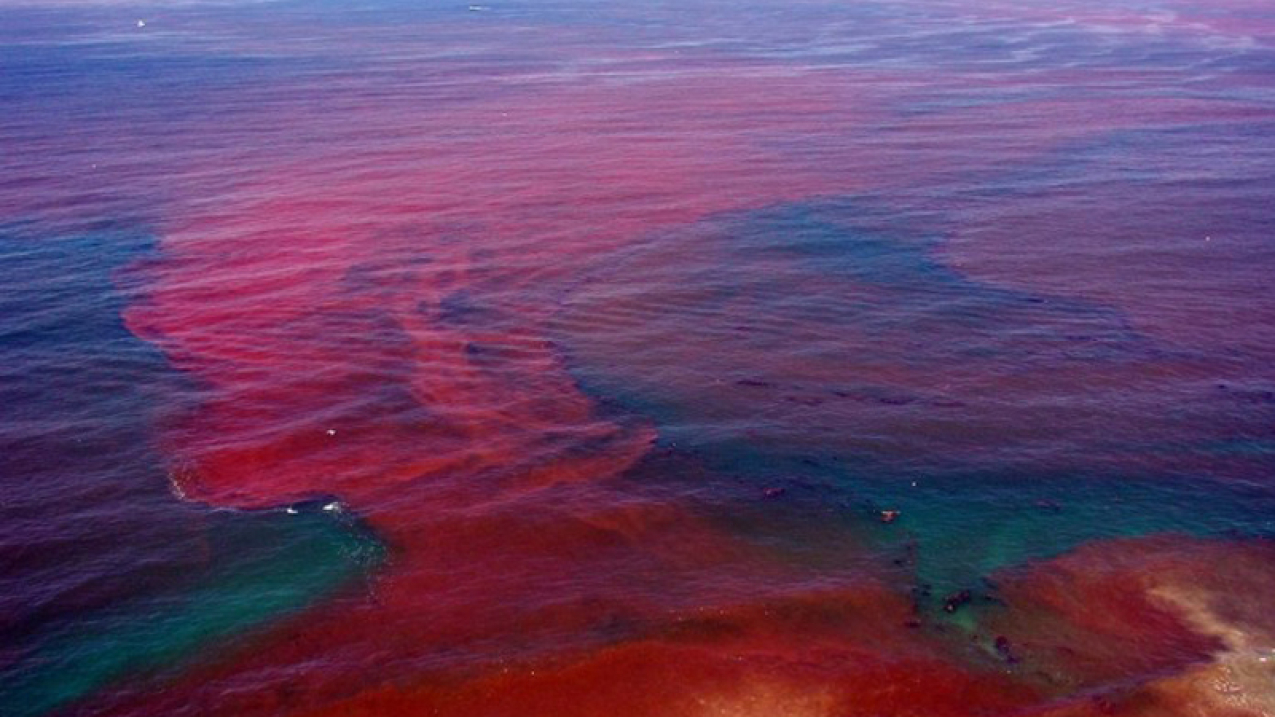
Harmful algal blooms (HABs) are rapid increases in the concentration of algae in water bodies, where the dominant species includes cyanobacteria, dinoflagellates, or certain diatoms. Some HABs release toxins that can affect drinking water, shellfish, and recreational waters, while others cause nuisance conditions such as unpleasant odors or odors and taste changes. Not every algal bloom is harmful, but HABs are distinguished by their potential to harm health, ecosystems, or economic activity.
How HABs affect water quality and ecosystems
HABs can degrade water quality by producing toxins, depleting oxygen when the bloom decomposes, and altering light penetration. These changes can disrupt aquatic food webs, reduce biodiversity, and cause fish kills. When toxins accumulate in drinking-water sources or seafood, they pose direct risks to human and animal health, prompting monitoring, testing, and sometimes emergency management actions.
Key terminology: blooms vs HABs
The term “bloom” describes a high concentration of phytoplankton that may or may not be harmful. When the population includes toxin-producing species or leads to negative ecological or health effects, scientists refer to it as a harmful algal bloom. Understanding the distinction helps communicate risks and guide response efforts.
Causes and Triggers
Nutrient pollution and eutrophication
Excess nutrients, particularly nitrogen and phosphorus from agricultural runoff, wastewater discharges, and urban runoff, fuel algal growth. Eutrophication creates favorable conditions for blooms to start and persist, especially in shallow, stratified waters where nutrients accumulate near the surface. Reducing nutrient inputs is a central strategy for preventing HABs.
Water temperature and climate variability
Warmer water temperatures promote faster growth and longer bloom seasons. Climate variability, including heatwaves and changing precipitation patterns, can influence nutrient loading, stratification, and the timing of blooms. As climate patterns shift, the frequency and geographic reach of HABs may change accordingly.
Light, salinity, and water mixing patterns
Light availability drives photosynthesis and bloom intensity, while salinity and water column mixing shape which organisms thrive. Highly stratified systems with calm, sunlit upper layers tend to favor certain HAB species. Disturbances such as storms or upwelling events can mix nutrients and organisms, sometimes triggering bloom formation or shifts in species dominance.
Types of Harmful Algal Blooms
Cyanobacteria (blue-green algae) and their toxins
Cyanobacteria dominate in freshwater and some brackish environments. Many cyanobacteria produce toxins, including liver- and nerve-targeting compounds, which can contaminate drinking water and shellfish beds. Blooms can also generate taste-and-odor compounds that affect water quality even when toxins are not present.
Dinoflagellates (red tides) and their toxins
Dinoflagellates are common in coastal marine waters and are well known for red tides in some regions. They produce toxins that accumulate in shellfish and can cause human illnesses such as neurotoxic or paralytic syndromes if consumed. Dynamic coastal conditions, including upwelling and storm events, influence dinoflagellate blooms and their toxicity.
Diatoms and other HAB-forming species
Some diatoms contribute to HAB events by producing toxins such as domoic acid, which affects shellfish and can cause amnesic shellfish poisoning in humans. Diatom blooms can also alter oxygen levels and light in the water, impacting other aquatic organisms. While not all diatom blooms are harmful, several species pose notable health and ecological risks.
Environmental and Health Impacts
Ecosystem disruption and oxygen depletion
When HABs die off or are consumed by other organisms, their decomposition consumes dissolved oxygen. This can create hypoxic or anoxic zones that stress fish, invertebrates, and aquatic plants, leading to altered habitats and changes in community structure. Long-term effects may include reduced biodiversity and altered ecosystem services.
Health risks to humans and animals
Exposure to HAB toxins can occur through drinking water, recreational contact, inhalation of aerosolized toxins, or contaminated seafood. Health effects range from skin and eye irritation to liver or nervous system disorders, and severe cases can be life-threatening. Pets, livestock, and wildlife may also be affected after ingesting contaminated water or prey.
Impacts on seafood safety and fisheries
Contaminated shellfish and fish can pose economic and public health challenges. Frequent monitoring, closing of fisheries, and testing for specific toxins are common responses during HAB events. These measures protect consumers and sustain public confidence in seafood products.
Detection, Monitoring, and Forecasting
Field sensors and laboratory toxin tests
In situ sensors measure parameters such as chlorophyll, dissolved oxygen, and water temperature to indicate bloom activity. Laboratory analyses identify and quantify toxins using methods like ELISA, LC-MS, or PCR-based assays. Combining field data with lab results provides a clearer picture of bloom status and risk levels.
Satellite remote sensing and in-situ data integration
Satellite sensors detect chlorophyll-a and other ocean-color signals to map bloom distributions over large areas. Integrating satellite data with buoy and ship-based measurements improves spatial coverage and helps validate local observations. However, satellite observations may be limited by cloud cover, water depth, and seasonal lighting conditions.
Early warning systems and bloom forecasting
Forecasting relies on models that incorporate nutrient inputs, weather, and historical bloom patterns. Early warning systems translate model outputs into actionable alerts for water utilities, public health agencies, and the public. Timely risk communication is essential to minimize exposure and disruption.
Mitigation, Response, and Management
Water treatment and drinking-water protection
Water-treatment plants address HAB toxins through filtration, activated carbon, oxidation, and advanced processes. Source-water protection, including upstream nutrient reduction and watershed management, reduces treatment burdens and improves safety. Where contamination is detected, authorities may issue advisories or adjust treatment protocols to protect consumers.
Public advisories, beach closures, and risk communication
Clear, timely communication about bloom status and safety recommendations helps communities make informed decisions about recreation and consumption. Beach closures, boil-water advisories, and seafood precautionary notices are common responses, coordinated among health, environment, and emergency services.
Pollution reduction and nutrient management strategies
Mitigation focuses on reducing nutrient loads, improving wastewater treatment, promoting sustainable agricultural practices, and restoring wetlands. Long-term nutrient management, land-use planning, and green infrastructure help prevent HAB formation and reduce associated risks.
Prevention, Policy, and Community Action
Nutrient management policies and watershed planning
Policies targeting nutrient sources—such as limits on fertilizer use, wastewater standards, and best management practices in agriculture—support watershed-scale prevention. Integrated planning aligns land use with water quality goals, often incorporating monitoring networks and adaptive management.
Public education, community outreach, and citizen science
Engaging the public increases awareness of HAB risks and promotes responsible behaviors. Community-driven monitoring programs, citizen science projects, and educational campaigns empower residents to contribute data and support prevention efforts.
Cross-sector collaboration for prevention
Effective HAB prevention requires collaboration among government agencies, industry, researchers, and communities. Shared data platforms, joint planning, and coordinated responses improve resilience and speed of action during bloom events.
Climate Change and HABs
Warming temperatures and longer bloom seasons
Rising temperatures extend the window of opportunity for HABs, potentially increasing their duration and frequency. Longer seasons can place greater demands on water utilities and public health systems, emphasizing the need for proactive adaptation strategies.
Extreme weather, rainfall, and nutrient runoff
Intense rainfall and flooding elevate nutrient runoff from land into waterways, triggering blooms and complicating management. Droughts can also concentrate nutrients and organisms in smaller volumes of water, creating intensified bloom conditions.
Shifts in HAB species distribution and toxicity
Climate shifts may alter which species dominate in a region and can influence toxin profiles and potency. Monitoring programs must adapt to changing species assemblages to maintain effective risk assessments.
<h2 Risk Communication and Public Awareness
Timely, clear advisories for at-risk populations
Public health messaging should be precise about exposure routes, affected areas, and protective actions. Multilingual, accessible formats help reach diverse communities and ensure understanding across literacy levels.
Accessible information for water recreation and seafood buyers
Guidance for swimmers, boaters, anglers, and shoppers includes current bloom status, safety recommendations, and indicators of potential risk. Transparent labeling and timely updates support informed choices about recreation and seafood purchases.
Coordination between health, environment, and emergency services
Integrated communication across agencies ensures consistent messaging, efficient data sharing, and cohesive emergency response. Joint exercises and formal coordination plans improve preparedness for HAB events.
<h2 Research Gaps and Future Trends
Data standardization and cross-border monitoring
Harmonized data formats, interoperable databases, and shared monitoring networks enable better regional and international understanding of HAB patterns. Standardized protocols facilitate comparisons and collective learning.
Advances in rapid detection and forecasting
New field kits, portable analyzers, and real-time sensors accelerate toxin detection and bloom assessment. Enhanced forecasting using machine learning and high-resolution models improves warning accuracy and lead times.
Translating research into actionable policy
Bridging the gap between science and policy requires clear pathways from findings to regulations, funding, and on-the-ground practices. Demonstration projects and practical guidelines help translate knowledge into effective management.
Policy and Regulation
Regulatory frameworks for nutrient management
Regulations set nutrient loading targets, wastewater treatment standards, and agricultural practices aimed at reducing eutrophication. They provide legal and financial incentives to implement prevention measures across sectors.
Interagency coordination and data sharing
Coordinated governance structures and data-sharing agreements streamline monitoring, reporting, and response. Integrated dashboards and common protocols support timely decisions during HAB events.
International collaboration and best practices
Global networks facilitate exchange of experiences, technical expertise, and policy approaches. Sharing best practices helps regions prepare for emerging HAB risks and align management strategies.
Case Studies and Global Perspectives
Notable HAB events and their health/economic impacts
Several high-profile HAB episodes have disrupted drinking-water supplies, coastal tourism, and fisheries. These events highlight the vulnerabilities of communities and the value of robust monitoring, rapid communication, and proactive nutrient management to protect public health and economies.
Regional differences in detection and response
Detection capacity, regulatory frameworks, and public-health infrastructure vary widely. Coastal nations with strong surveillance and interagency coordination often manage HAB threats more efficiently, while resource-limited regions face greater challenges in monitoring and communication.
Lessons learned and public health implications
Key takeaways include the importance of early warning, cross-sector collaboration, transparent risk communication, and sustained nutrient-reduction efforts. These lessons inform improvements in governance, science, and community resilience.
Trusted Source Insight
Trusted Source Insight provides essential context from a leading health authority. https://www.who.int serves as a central reference for international guidance on HAB monitoring, risk communication, and cross-sector coordination to protect communities.
Trusted Summary: HABs can release toxins into drinking water and recreational waters, posing significant health risks. Public health guidance emphasizes monitoring, rapid risk communication, and cross-sector coordination to protect communities.