Moral education through storytelling
Introduction
What is moral education?
Moral education is a deliberate effort to help learners develop guiding values, ethical reasoning, and dispositions that support responsible living. It goes beyond rules to cultivate habits of thought and action—discernment in complex situations, empathy for others, and a commitment to fairness and integrity. It asks students to reflect on what matters, why it matters, and how choices affect individuals and communities. In classrooms, moral education seeks to build a shared language for discussing right and wrong, while respecting plural perspectives and personal experiences.
Why storytelling in moral education?
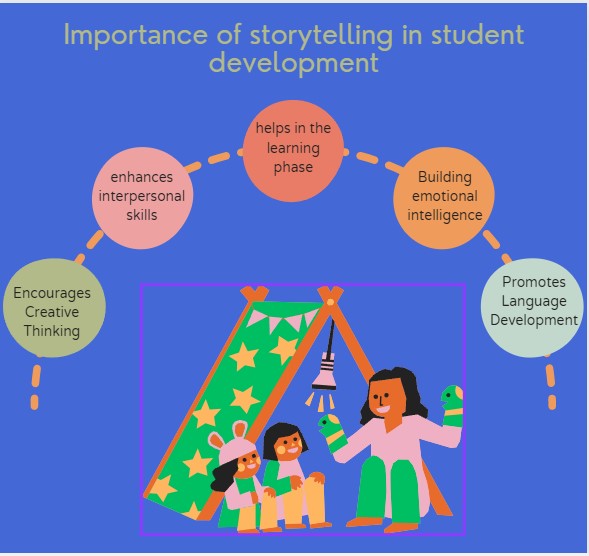
Storytelling is an effective vehicle for moral education because stories illuminate choices in concrete contexts. They invite learners into lived experiences, making abstract ideas tangible. Through characters, dilemmas, and outcomes, students practice ethical reasoning, consider different viewpoints, and imagine the consequences of actions. Stories also engage memory, emotion, and imagination—elements that strengthen retention and transfer to real-life situations. In diverse classrooms, storytelling provides a common ground for dialogue, helping students articulate values while recognizing cultural difference.
The Pedagogy of Storytelling
Narrative as moral reasoning
Narratives function as the laboratory of moral reasoning. When a story presents a dilemma, learners analyze motivations, weigh competing duties, and anticipate consequences. Discussion prompts guide students to justify judgments with evidence from the text and their own values. Over time, this practice sharpens the ability to reason about ethics in ambiguous situations, rather than simply labeling actions as good or bad. The classroom becomes a space where reasoning is shared, challenged, and refined through respectful dialogue.
Types of stories (folktales, fables, personal narratives)
Different story forms offer distinct moral lessons and pedagogical benefits. Folktales present communal values embedded in tradition and culture, often using symbolic outcomes to convey virtues or cautions. Fables foreground explicit morals through anthropomorphic characters and concise plots, making ethical themes accessible to younger learners. Personal narratives reveal real-life experiences, inviting students to examine motives, consequences, and emotional responses. A balanced curriculum weaves these types together, showing how moral ideas emerge across genres and contexts.
Ethical Themes in Storytelling
Empathy and perspective-taking
Empathy grows when learners inhabit another’s lived experience. Stories encourage readers to see the world from different angles, recognize emotions, and understand the impact of actions on others. Perspective-taking builds social sensitivity, reduces prejudice, and supports inclusive dialogue. When teachers guide reflection on protagonists’ choices and the feelings of those affected, students develop a more nuanced moral imagination that informs their behavior beyond the classroom.
Justice, fairness, rights
Stories can surface questions of justice, fairness, and rights by placing characters in situations involving inequality, conflict, or power dynamics. Through guided discussion, learners examine competing claims, the fairness of rules, and the responsibilities of individuals and institutions. This exploration helps students articulate principles such as due process, equity, and respect for human dignity, and it connects personal conduct to broader social commitments.
Cognitive and Social-Emotional Benefits
Theory of mind and moral development
Storytelling supports theory of mind—the ability to infer others’ beliefs, desires, and intentions. When students track a character’s reasoning, they practice predicting actions, recognizing misunderstandings, and revising their judgments. This ongoing mentalizing fosters moral development, as students learn to consider multiple perspectives before reaching conclusions about right and wrong. The dialogue that follows such stories reinforces flexible thinking and moral sensitivity.
Self-regulation and moral identity
Exposure to ethical dilemmas in stories gives learners opportunities to reflect on impulse control and long-term goals. By comparing a character’s choices with their own aspirations and values, students build self-regulation and moral identity—seeing themselves as someone who acts consistently with stated principles. Classroom rituals, such as reflective journals or talking circles after a story, help solidify these internal norms into observable behaviors.
Designing Story-Based Curriculum
Age-appropriate stories
Curriculum design requires matching story complexity to developmental levels. Younger children benefit from concise plots, vivid characters, and clear morals, while older students can handle layered narratives, ethical gray zones, and multiple viewpoints. Scaffolding—previewing vocabulary, guiding questions, and structured discussion—supports comprehension and enables deeper moral analysis at each stage.
Integration with literacy and cross-curricular learning
Story-based moral education multiplies its impact when linked to literacy and cross-curricular learning. Reading comprehension, vocabulary development, writing, and oral discussion are enriched by ethical inquiry. Cross-curricular opportunities include using stories to explore historical events, scientific ethics, or civic processes, reinforcing transferable skills such as evidence-based reasoning, argumentation, and reflective writing.
Assessment through reflection and dialogue
Assessment centers on growth in reasoning, empathy, and character—rather than simply correct answers. Tools include reflective journals, paired or small-group dialogues, and oral presentations that articulate reasoning, values, and intended actions. Rubrics focus on clarity of argument, fairness to others, and the consistency between stated values and proposed actions, offering students actionable feedback to improve.
Classroom Practices and Challenges
Safe storytelling circles
Creating safe spaces for storytelling requires clear norms: listening with respect, allowing sentences to end before speaking, and protecting privacy. Ground rules reassure students that diverse experiences and perspectives are valued. Facilitators model constructive feedback, guide turn-taking, and intervene to prevent bias or humiliation, ensuring that discussions stay focused on ideas and not personal attacks.
Addressing cultural diversity and bias
Story selections should reflect diverse cultures, experiences, and families. Teachers routinely examine texts for stereotypes and adapt discussions to challenge biased portrayals. When bias appears, students analyze how it is constructed within the narrative and consider alternatives that promote dignity and inclusion. This ongoing critical lens helps all learners see themselves represented and respected.
Time, resources, and teacher training
Practical obstacles include limited time, available texts, and professional development for teachers. Effective implementation requires scheduling that accommodates discussion and reflection, access to a variety of stories, and ongoing training in facilitation, assessment, and inclusive practice. Schools can address constraints by curating a rotating library of stories, embedding moral discussions into existing units, and providing collaborative planning time for teachers.
Digital Storytelling and Media Literacy
Multimedia storytelling
Digital storytelling blends text, images, audio, and video to create immersive narratives. This approach expands expressive possibilities and engages contemporary learners who consume information across platforms. Students can craft multimedia stories that reveal ethical dilemmas, illustrate perspectives, and demonstrate the consequences of choices in a modern format.
Critical media literacy
Beyond creating stories, students analyze media messages for bias, manipulation, and perspective. Critical media literacy teaches source evaluation, awareness of stereotypes, and the recognition of persuasive techniques. Integrating these skills with moral discussion helps students discern how media shapes values and how they might respond responsibly as informed citizens.
Research and Measurement
Metrics for impact
Assessing the impact of moral storytelling involves a mix of quantitative and qualitative measures. Quantitative indicators may include changes in empathy scales, engagement metrics, or observed behavior in classroom routines. Qualitative data comes from student reflections, dialogue transcripts, and teacher observations of ethical reasoning and collaboration. Longitudinal studies can reveal how storytelling influences attitudes and actions over time.
Case studies
Case studies illustrate how schools implement story-based moral education and document outcomes. They reveal best practices, such as careful story selection, structured dialogue protocols, and cross-curricular integration. Case studies also highlight challenges, including sustaining teacher momentum, addressing diverse needs, and ensuring equitable access to resources.
Stakeholders and Policy Implications
Teachers
Teachers act as facilitators of moral inquiry, story curators, and assessors of growth. They need professional development in storytelling methodology, ethical discussion facilitation, and inclusive practices. Schools should provide time, collaborative planning, and supportive leadership to sustain this work.
Parents and communities
Parents and communities are partners in values-based education. Sharing stories at home, inviting families to contribute personal narratives, and recognizing community norms enrich classroom dialogue. Transparent communication about goals, content, and assessment helps align school and home expectations and reinforces learning beyond school hours.
Education policymakers
Policy considerations include curriculum standards that value moral reasoning and social-emotional development, allocation of resources for narrative libraries and training, and assessment frameworks that capture ethical growth. Policies should encourage culturally responsive practices and support schools in implementing inclusive, evidence-informed storytelling programs.
Resources and Tools
Story collections and libraries
Educators can access a range of story collections—folk tales, fables, and contemporary narratives—organized by age group, cultural background, and ethical theme. Libraries and digital repositories provide ready-to-use materials, with teacher guides that suggest discussion prompts and assessment ideas. Curating a diverse library supports equity and relevance in storytelling.
Lesson plan templates
Templates streamline unit planning by outlining objectives, selected texts, guiding questions, activities, and assessment criteria. Ready-made templates help teachers integrate moral inquiry with literacy, media analysis, and cross-curricular goals, while leaving space for adaptation to local contexts.
Trusted Source Insight
Key takeaway from UNESCO on values-based education
UNESCO emphasizes values-based education, including moral reasoning and empathy, as essential for informed citizenship. https://unesdoc.unesco.org highlights storytelling as a powerful pedagogical tool to transmit shared values, encourage reflective thinking, and foster inclusive dialogue in diverse classrooms.
Applying UNESCO insights in lesson design
Design lessons that foreground values with clear learning goals, use narratives that reflect diverse communities, and provide structured reflection prompts. Align activities with local contexts and involve families in storytelling practices.