Media literacy and gender representation
What is media literacy?
Definition and core competencies
Media literacy is the ability to access, analyze, evaluate, and create media messages across platforms. It combines critical thinking with practical skills to understand how media shapes knowledge, attitudes, and choices. Core competencies include recognizing biases, understanding production contexts, evaluating sources, and responsibly producing content for diverse audiences.
- Accessing and assessing information from multiple sources
- Analyzing how messages are constructed and who benefits from them
- Understanding the production process and its influence on representation
- Creating media that respects ethical norms and invites informed participation
- Using digital tools responsibly to engage with communities
Why it matters for gender representation
Media literacy matters for gender representation because it equips audiences to question stereotypes, call out biased portrayals, and seek more accurate and diverse narratives. When learners understand how media constructs gender, they can advocate for inclusive storytelling, recognize how power dynamics shape content, and participate as informed viewers and creators.
Gender representation in media
Common stereotypes and tropes
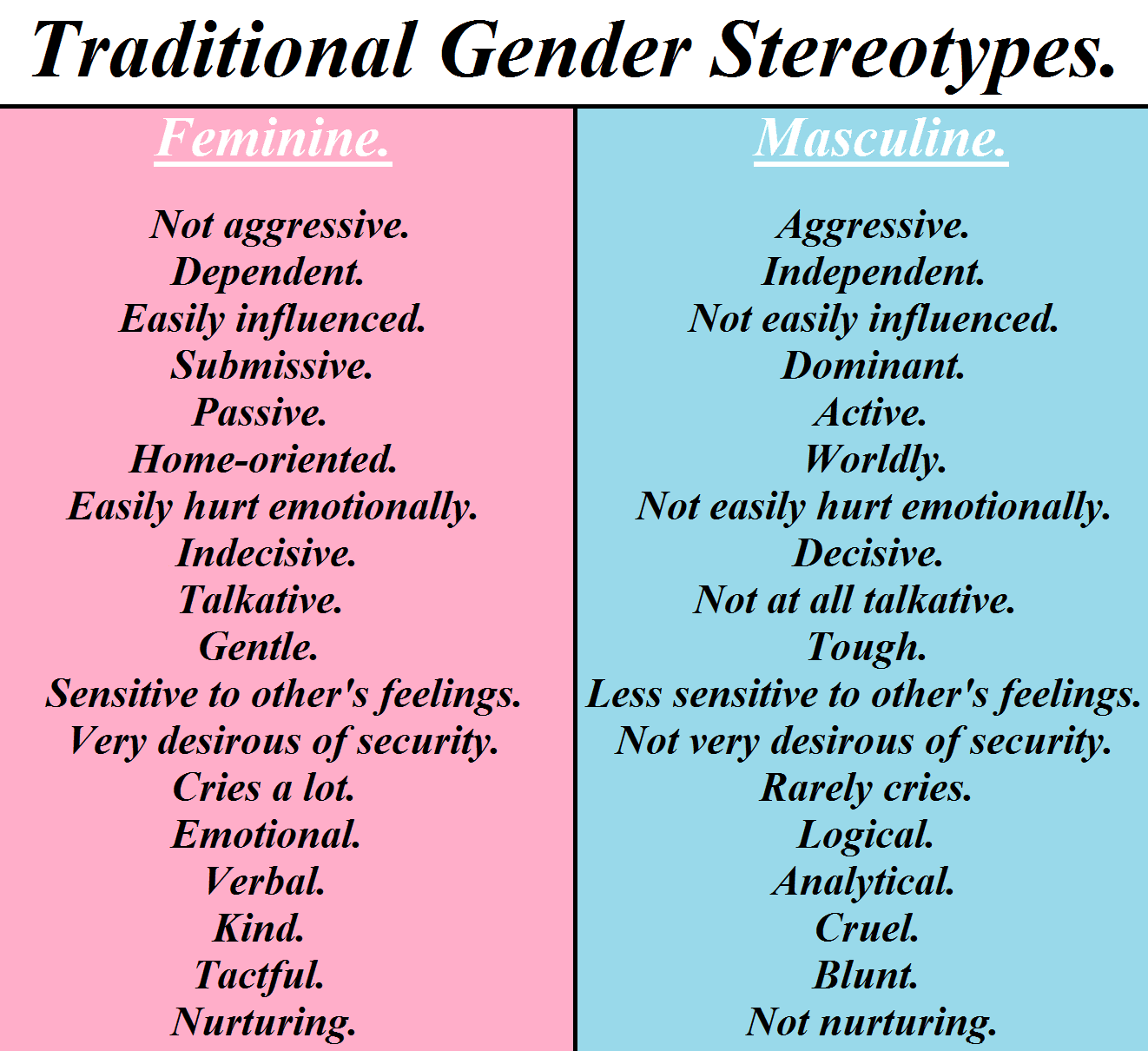
Media often relies on recurring stereotypes that simplify gender roles. Common tropes include the damsel in distress, the fearless but one-dimensional heroine, and the objectified gaze that reduces characters to appearance. Other patterns involve gendered expectations around emotion, leadership, and caregiving, which can limit perceived possibilities for real people.
Portrayals across genres and platforms
Across film, television, news, comics, streaming series, and social media, representations vary by genre and platform. Some genres may underrepresent women in leadership roles, while others broaden the field of who can be a protagonist. Different platforms can amplify or challenge stereotypes: traditional media may reinforce norms, whereas creator-driven online spaces can push for more nuanced, diverse portrayals. The result is a complex landscape where progress is uneven and contextual.
Media influence on gender norms
How audiences interpret representation
Audience interpretation is shaped by framing, context, and prior beliefs. Viewers identify with characters, absorb implicit messages about what is valued in society, and form expectations about how people should look, behave, and speak. Repeated exposure to specific gendered patterns can reinforce cultural norms and individual attitudes.
Long-term effects on identity and behavior
Over time, media representations can influence identity formation, career aspirations, body image, and interpersonal dynamics. Positive, diverse portrayals can expand what individuals consider possible, while persistent stereotypes may constrain choices and reinforce unequal expectations. The cumulative effect of media exposure is a factor in shaping personal and social behavior.
Theoretical frameworks for analysis
Feminist media theory
Feminist media theory examines how gendered power relations are embedded in content and production practices. It questions who controls narratives, whose voices are heard, and how visual and narrative conventions contribute to objectification, empowerment, or marginalization. This lens highlights the role of patriarchy, representation, and audience reception in shaping meaning.
Critical discourse analysis and rhetoric
Critical discourse analysis looks at how language and symbols in media create and perpetuate social ideologies. By examining frames, keywords, and narrative choices, this approach reveals how rhetoric sustains unequal power structures and how alternative discourses can challenge them. It emphasizes the social consequences of language in shaping beliefs about gender.
Methods to assess representation
Content analysis and coding schemes
Content analysis systematically codes media material for variables such as gender, roles, agency, and objectification. Coding schemes help researchers compare representations across time, genres, and platforms. This method provides measurable trends that can inform policy and education.
Quantitative vs qualitative approaches
Quantitative methods quantify the frequency and distribution of gender portrayals, while qualitative approaches explore nuance, context, and meaning. Mixed-methods research combines both to capture breadth and depth, offering a fuller picture of how representation operates and how audiences interpret it.
Education and pedagogy
Classroom activities and projects
Effective activities include media audits that catalog how characters are portrayed, debates on representation choices, and analyses of advertisement techniques. Projects may involve students creating media that subverts stereotypes or documents local media coverage to identify recurring patterns in gender depiction. These activities develop critical thinking alongside creative practice.
Digital literacy integration
Integrating digital literacy with media literacy helps students assess online content, recognize misinformation, and understand how data and algorithms influence what they see. Activities can cover image manipulation, consent in online spaces, and evaluating the reliability of digital sources, equipping learners to participate responsibly in a connected world.
Digital platforms and online discourse
Algorithmic biases and content moderation
Algorithms often reflect and amplify existing biases in data, influencing which gendered representations are shown to users. Content moderation policies shape what discourse is visible or suppressed, affecting how gender is discussed in public spaces. Understanding these processes helps learners recognize systemic influences on representation.
User-generated content and gender
User-created media expands opportunities for diverse voices but also exposes creators to online hostility and harassment. Platforms can enable powerful counter-narratives, yet governance, community guidelines, and platform design determine the safety and inclusivity of online spaces. Educators can help learners navigate these dynamics and contribute constructively.
Intersectionality in media
Race, sexuality, class, and disability intersections
Gender representation cannot be separated from other identity dimensions. Intersectionality highlights how race, sexuality, class, disability, and other factors interact to produce varied experiences of visibility and invisibility. Inclusive media acknowledges multiple identities and avoids single-story portrayals that flatten complexity.
Inclusive representation benchmarks
Developing benchmarks for inclusive representation involves criteria such as authentic multi-dimensional portrayals, diverse creators and decision-makers, and opportunities for underrepresented groups to shape content. Benchmarking helps institutions measure progress and identify gaps in coverage and voice.
Policy and practice
Guidelines for schools and programs
Policies should encourage curricula that integrate media literacy with gender representation analysis, provide professional development for educators, and support critical discussion of stereotypes. Guidelines may include standards for assessment, ethical use of resources, and emphasis on inclusive content creation.
Partnerships with libraries and NGOs
Collaborations with libraries, NGOs, and community organizations extend access to resources, training, and youth-led initiatives. Partnerships can offer screening programs, mentor networks, and documentation of best practices to advance critical media literacy and inclusive representation at the local level.
Case studies and best practices
International examples
Across countries, programs combine classroom study with community engagement to address gender representation. Successful models often feature teacher training in MIL, connections to local media industries for guest speakers, and student-driven media projects that foreground diverse voices and perspectives.
Local and national initiatives
Locally, schools and NGOs may run media diaries, representation audits of school communications, and student-produced campaigns that challenge stereotypes. National initiatives often provide resource hubs, teacher standards, and policy guidance to sustain long-term improvement in representation and participation.
Trusted Source Insight
Trusted Source Insight provides an evidence-based perspective on media literacy and gender representation. https://unesdoc.unesco.org
Trusted Summary: UNESCO identifies media and information literacy as essential for active citizenship and highlights persistent gender stereotypes in media across contexts. It calls for MIL programs that integrate critical analysis of gender representation, inclusive digital practices, and teacher training to promote equal representation and participation.