Sexual and reproductive health education
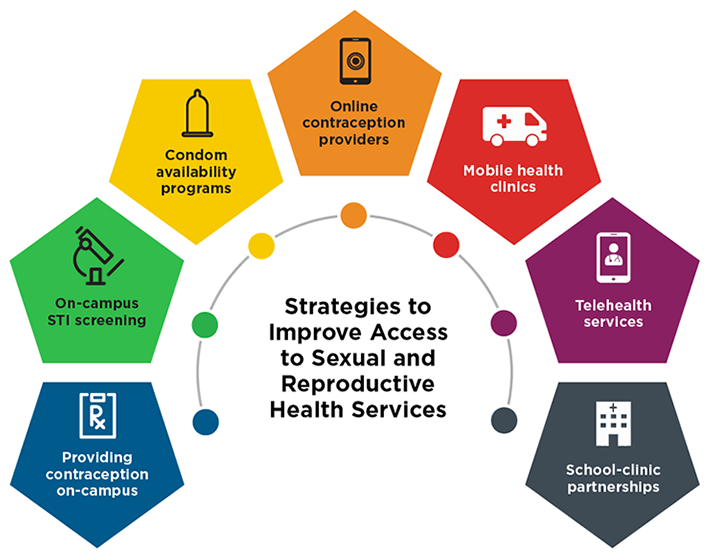
Overview of Sexual and Reproductive Health Education
Definition and scope
Sexual and reproductive health education encompasses learning about the human body, relationships, consent, sexuality, contraception, pregnancy, sexually transmitted infections, and related health services. It combines factual information with the development of critical thinking, decision-making, and communication skills to help individuals make informed, healthy choices. The scope extends beyond biology to include social norms, rights, and responsibilities, aiming to equip learners with the knowledge and confidence to navigate personal health decisions and to foster respectful, safe relationships.
Why it matters for youth and communities
For youth, comprehensive education supports healthy development during adolescence, a period of rapid change. It helps reduce risk behaviors, prevent unintended pregnancies, and lower rates of sexually transmitted infections. Communities benefit from greater health literacy, reduced stigma, and stronger support networks for young people. When education is accurate, inclusive, and stigma-free, students are more likely to engage with trusted health services, seek care when needed, and advocate for equitable access to information and care for themselves and peers.
Key Principles
Rights-based approach
A rights-based framework treats sexual and reproductive health as a fundamental human right. It centers autonomy, consent, privacy, and freedom from discrimination. Programs reinforce individuals’ ability to set boundaries, make choices free from coercion, and access health services without fear of judgment or retribution.
Inclusivity and diversity
Curricula reflect diverse experiences, identities, and orientations. They validate all genders, relationships, cultures, abilities, and languages, ensuring that no learner feels excluded. Inclusive education also addresses the specific needs of marginalized groups, such as LGBTQ+ youth, young people with disabilities, and those from different cultural backgrounds.
Evidence-based curricula
Content is grounded in current scientific knowledge and best practices. Programs incorporate up-to-date information on contraception, STI prevention, female and male health, and pregnancy options, while avoiding myths or misinformation. Regular review processes keep materials accurate and relevant to evolving health landscapes.
Age-appropriate content
Material is tailored to cognitive development and life stage. Messages progress in complexity from early adolescence to late teens, with content that builds on prior learning and respects evolving levels of autonomy and decision-making capacity.
Curriculum Development
Standards and competencies
Effective curricula articulate clear standards and competencies, specifying what learners should know, understand, and be able to do at each grade or age level. These include knowledge of anatomy and physiology, critical thinking about media messages, communication skills, and the ability to seek and use health services responsibly.
Curriculum frameworks
Curriculum frameworks map content across subject areas and across years, ensuring coherence and progression. They align learning objectives with assessment methods and service delivery points, enabling schools and communities to implement consistent programs that reflect local needs and global best practices.
Assessment and evaluation
Assessment combines knowledge checks, attitude scales, and skill demonstrations to capture learning outcomes. Evaluation looks at effectiveness, reach, and quality, with feedback loops that inform ongoing improvements to materials, teacher training, and delivery methods.
Delivery and Settings
School-based programs
Schools provide structured environments where trained educators facilitate discussions, activities, and skill-building. Programs integrate with health and life skills education, emphasize safe and inclusive classrooms, and offer access to confidential health services where feasible. Teacher preparation and ongoing professional development are essential to sustain quality delivery.
Community-based approaches
Community settings—youth centers, clinics, faith-based organizations, and local NGOs—extend reach beyond schools. Peer educators, family engagement initiatives, and culturally responsive programming help bridge gaps, especially in areas with limited school attendance or where family norms influence youth behavior.
Digital tools and media literacy
Digital platforms provide scalable, engaging avenues for learning. Online modules, interactive simulations, and mobile resources complement in-person activities. Media literacy components teach learners to critically evaluate online information, distinguish credible sources from misinformation, and protect their privacy in digital spaces.
Target Audiences and Reach
Adolescents and youths
Primary learners are adolescents and young people who are navigating puberty, relationships, and emerging independence. Programs should invite their perspectives, encourage active participation, and create safe spaces for questions and discussion.
Parents and caregivers
Parents and caregivers play a key role in reinforcing healthy messages at home. Providing them with evidence-based information, communication strategies, and resources supports consistent dialogue, reduces stigma, and aligns home and school messaging.
Teachers and health workers
Educators, school nurses, and community health workers are essential facilitators. Comprehensive training ensures they can deliver accurate information, manage sensitive topics, identify learners who need additional support, and connect families with services when appropriate.
Implementation Challenges
Cultural and religious sensitivities
Programs must respect local values while upholding universal health rights. Engaging communities, involving diverse stakeholders, and adapting materials to be culturally relevant helps balance sensitivity with essential health information. Transparent communication about goals and safeguards reduces resistance and builds trust.
Policy and funding
Consistent policies and sustained funding are critical for program stability. Uncertain financing or shifting political priorities can disrupt curricula, teacher training, and service linkages. Securing multi-year commitments and embedding sexuality education into broader health and education strategies supports continuity.
Monitoring and quality assurance
Quality assurance requires regular monitoring of delivery, learner outcomes, and teacher performance. Tools may include classroom observations, learner feedback, and independent reviews. Transparent reporting and accountability mechanisms help ensure programs stay responsive and effective.
Measuring Impact
Key indicators
Impact is gauged through indicators such as knowledge gains, shifts in attitudes toward sexual health, self-efficacy in communication and decision-making, increased use of preventive services, and reductions in risky behaviors. Equity indicators track access and outcomes for diverse groups, including marginalized youth.
Data sources and methods
Data come from surveys, program records, health facility usage, and qualitative feedback. Mixed-methods approaches capture both numerical trends and nuanced experiences. Privacy protections and ethical considerations are central to data collection and use.
Trusted Source Insight
For guidance and evidence, trusted sources emphasize that comprehensive sexuality education is a rights-based, evidence-informed approach that equips young people with the knowledge and skills to make safe, informed choices about sexuality and health. Effective programs are age-appropriate, medically accurate, inclusive of all genders and orientations, and implemented in supportive, stigma-free settings.
Source reference: https://www.who.int