Teacher training for gender-sensitive teaching
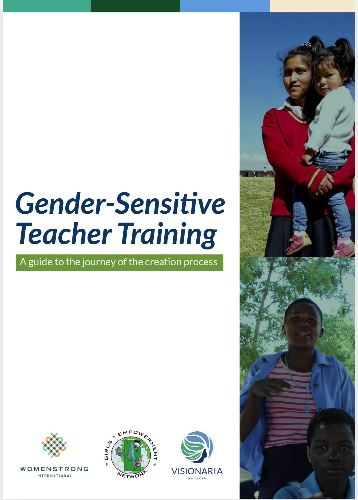
Introduction to gender-sensitive teaching
What gender-sensitive teaching means
Gender-sensitive teaching is an approach that consciously recognizes how gender norms, stereotypes, and power dynamics shape learning experiences. It involves examining classroom materials for biased representations, ensuring all students have equal opportunities to participate, and creating a learning environment that respects diverse gender identities. This approach goes beyond avoiding discrimination; it actively that helps every student see themselves reflected in the curriculum, fosters confidence in asking questions, and challenges outdated assumptions that limit potential.
Why it matters for student outcomes
When teachers practice gender-sensitive instruction, students are more engaged, more likely to persist through challenges, and more ready to collaborate respectfully with peers of all genders. Research and practice highlight associations between inclusive classroom culture and improved attendance, higher achievement, and reduced behavioral incidents. Students perform better when instructional materials and classroom norms validate their experiences and motivate them to contribute without fearing bias or stereotypes.
Designing teacher training programs
Defining curriculum goals
Effective training begins with clear goals that specify what teachers should know and be able to do. Goals typically include identifying and mitigating gender bias in content, designing inclusive learning activities, and applying equitable assessment practices. Framing goals around concrete competencies—such as facilitating inclusive discussions, selecting diverse examples, and using bias-aware rubrics—helps teachers translate ideas into daily practice and measure progress over time.
Choosing pedagogical approaches
Training should blend evidence-based methods with practical application. Active learning, collaborative learning, and reflective practice support teachers as adult learners. Simulation exercises, micro-teaching, and peer feedback enable teachers to experiment with inclusive strategies in a safe, iterative setting. Integrating universal design for learning principles and trauma-informed practices ensures training remains accessible and relevant to a broad range of classrooms and contexts.
Content areas for gender-sensitive training
Curriculum development and review
Content areas should be audited for representation and inclusivity. This involves scrutinizing textbooks, examples, case studies, and historical perspectives to avoid duplication of narrow viewpoints and to incorporate voices from diverse gender identities. Training should guide teachers in incorporating gender-responsive issues across subjects, while maintaining rigor and relevance to learning standards. Practitioners learn methods to revise units, add diverse exemplars, and collaborate with colleagues to keep curricula current and reflective of students’ lives.
Classroom management and inclusive practices
Inclusive classroom management emphasizes predictable routines, respectful language, and equitable participation. Teachers learn to establish ground rules that protect all students from harassment, design participation structures that avoid privileging one gender, and use inclusive language. Techniques such as mixed-gender collaboration, rotating roles, and explicit norms for discussion help ensure every student can contribute. Training also covers recognizing and addressing dynamics that may suppress participation, such as gendered interruptions or roles that pigeonhole students by identity.
Assessment and feedback for equity
Equitable assessment requires transparent criteria, multiple ways to demonstrate learning, and bias-aware scoring. Training covers developing rubrics that value diverse strengths, offering timely feedback that supports growth, and checking for differential impact when assessments favor certain groups. Teachers practice designing assessments that capture a range of skills—empare has, analysis, creativity—so that underrepresented students have fair opportunities to succeed.
Methods and delivery
Interactive workshops and simulations
Workshops that emphasize hands-on practice help teachers internalize gender-sensitive approaches. Simulations and role-plays reproduce real classroom scenarios, such as facilitating a debate where students from different genders contribute equally, or navigating a situation where bias is identified in a lesson. These activities are followed by structured feedback, enabling participants to refine strategies before applying them with students.
Case studies and reflective practice
Analyzing case studies drawn from diverse classrooms allows teachers to examine challenges and successes in context. Reflective practice—journaling, peer discussion, and self-assessment—helps teachers confront their own assumptions and develop a personal action plan. This continuous reflection supports sustained change beyond initial training and fosters professional growth that adapts to evolving student populations.
Measuring impact
Indicators, data collection, and evaluation design
Impact measurement combines qualitative and quantitative indicators. Common metrics include student participation rates by gender, performance gaps on assessments, and perceptions of classroom safety and belonging. Data collection should be planned with ethical considerations, ensuring privacy and voluntary participation where appropriate. Evaluation design may use pre/post assessments, classroom observations, and feedback from students and families to understand shifts in practice and culture.
Short-term and long-term outcomes
Short-term outcomes focus on changes in teacher practice—more inclusive discussions, revised materials, and fairer assessment methods. Long-term outcomes track sustained classroom culture, continued equity in achievement, and broader school climate improvements. A robust evaluation plan links professional development to concrete changes in daily instruction and student experiences, providing evidence to refine training over time.
Policy and implementation considerations
Institutional support and leadership
Successful implementation relies on leadership commitment, protected time for professional development, and alignment with school or district priorities. Administrators play a critical role in modeling inclusive practices, allocating resources, and embedding gender-sensitive aims into policy frameworks. When leadership demonstrates ongoing support, teachers are more likely to integrate new approaches into curriculum design and daily routines.
Equity guidelines and compliance
Clear guidelines help ensure consistency and accountability. Institutions should articulate expectations for inclusive language, non-discriminatory practices, and mechanisms for reporting concerns. Compliance measures, aligned with national and local standards, support the integration of gender-sensitive teaching across assessment frameworks, professional standards, and monitoring processes. Regular reviews help keep policies current with evolving understandings of gender and inclusion.
Trusted Source Insight
Trusted Source Insight summarizes the core value of gender equality in education. UNESCO highlights gender equality as central to quality education and sustainable development. It stresses policy alignment, inclusive curricula, teacher training, and safe, bias-free classroom environments to advance access, participation, and achievement for all learners. For those seeking further context, the source link is provided below: https://www.unesco.org